KIA Project – The Human Web

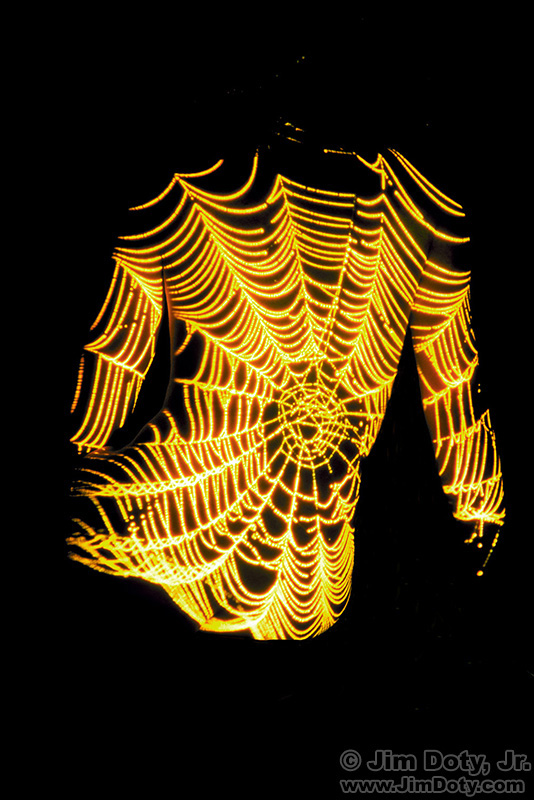
The Human Web.

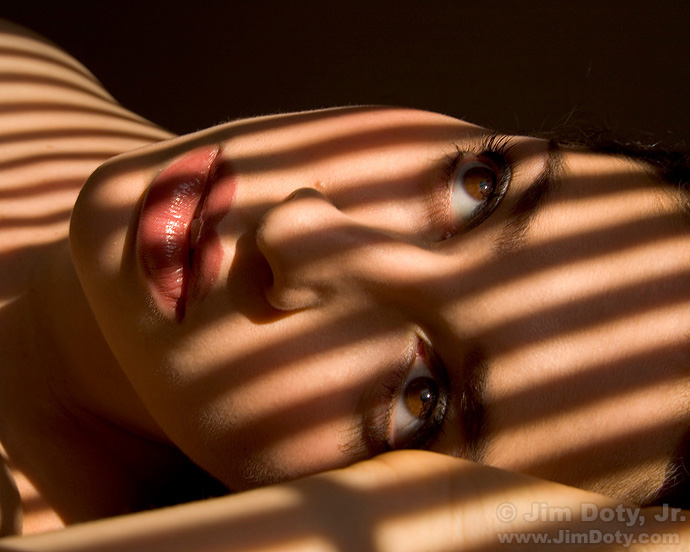
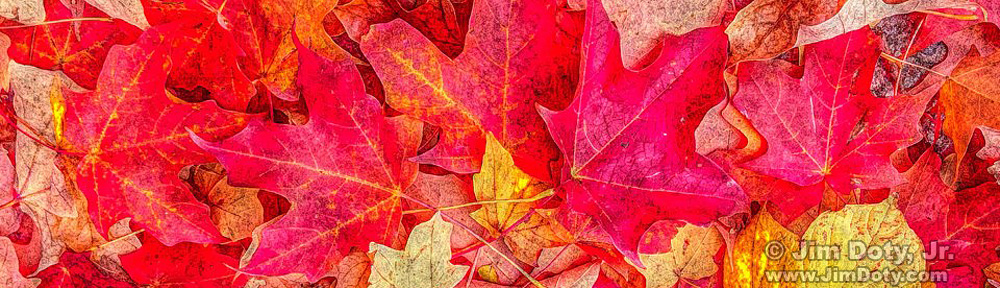
I created this image for a photography class I was teaching at the Kalamazoo Institute of Arts (KIA) in Michigan. It was so popular that Jim Riegel, the head of the photography department, asked if he could exhibit it at the KIA faculty exhibit at the annual Kalamazoo Art Fair in Bronson Park in June. Jim was in charge of the faculty exhibit. When June 2, 2001 rolled around, he used it as the centerpiece work of art for the KIA exhibit. At the end of the day he told me it was the most talked about work of art in the faculty exhibit. All kinds of people stopped by to ask questions about it and how it was created.  This article explains how I did it.

Continue reading

How to Photograph the “Great American Eclipse” – April 8, 2024

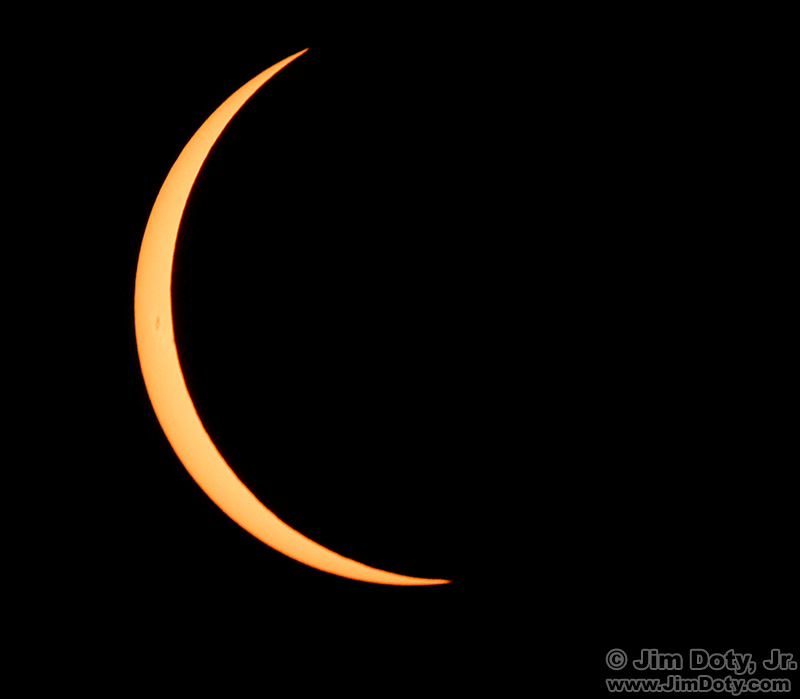
Partial phase of the eclipse.

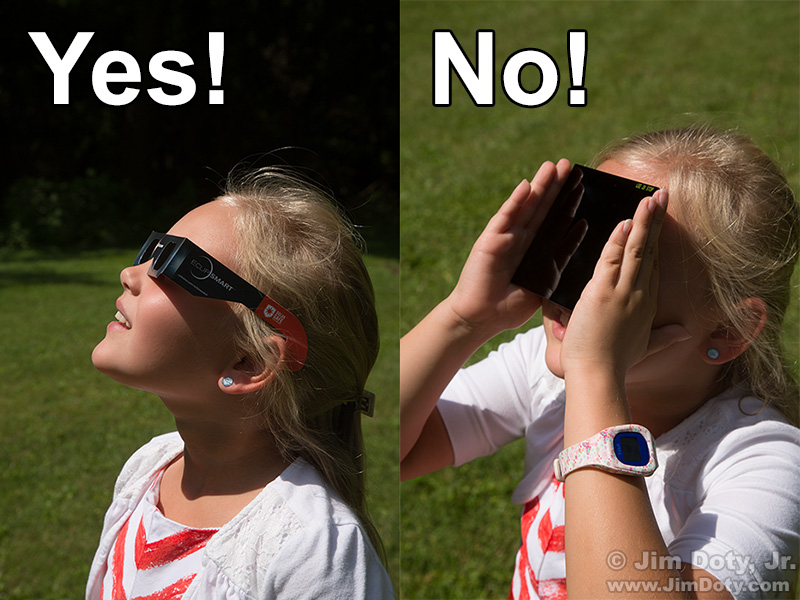
This is your guide to photograph the Second “Great American Eclipse”, April 8, 20124.  The path of totality will cross the entire country from Oregon to South Carolina. This handy guide will help you photograph the eclipse. Planning ahead is key.

Originally posted Jun 26, 2017. Revised and updated February 22, 2024.

Continue reading

Greater Prairie Chicken Excitement!

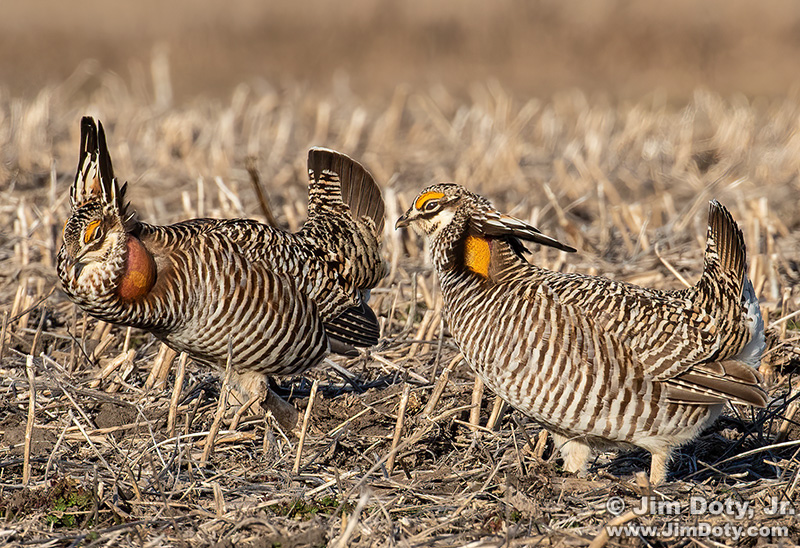
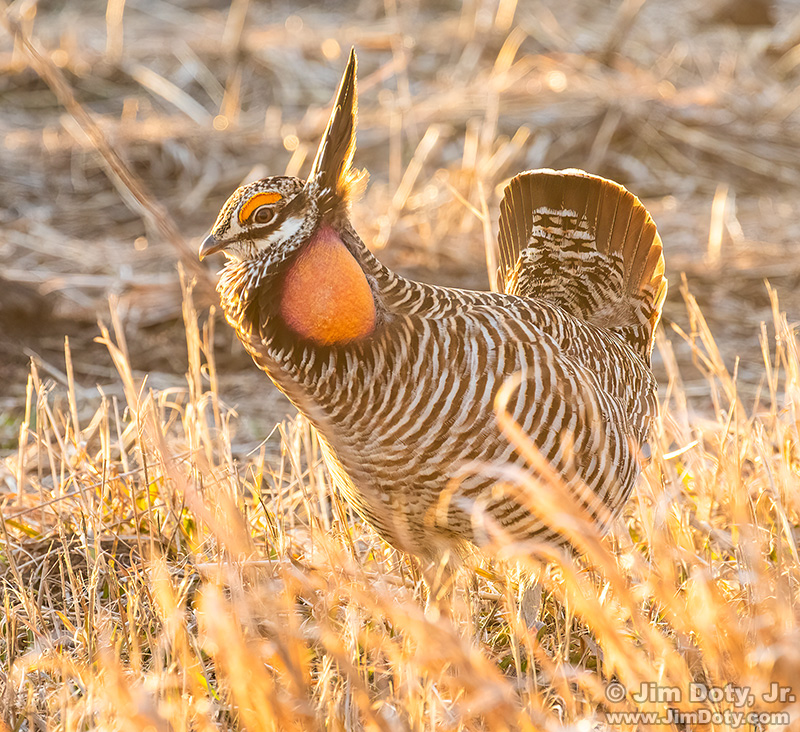
Greater Prairie Chicken near Elk Chapel Road, Decatur County Iowa.  February 15, 2024. 5:24 pm.

A male Greater Prairie Chicken has taken up residence on the edge of a cornfield about 30-40 feet from a county highway, much to the delight of bird watchers. I got a call from a friend, so I grabbed my camera gear and drove out to the location.  This image (above) was taken with the sun low in the west so this prairie chicken has wonderful, warm backlighting. Compare this light to the next photo.

Continue reading

Winter Photography Safety Essentials

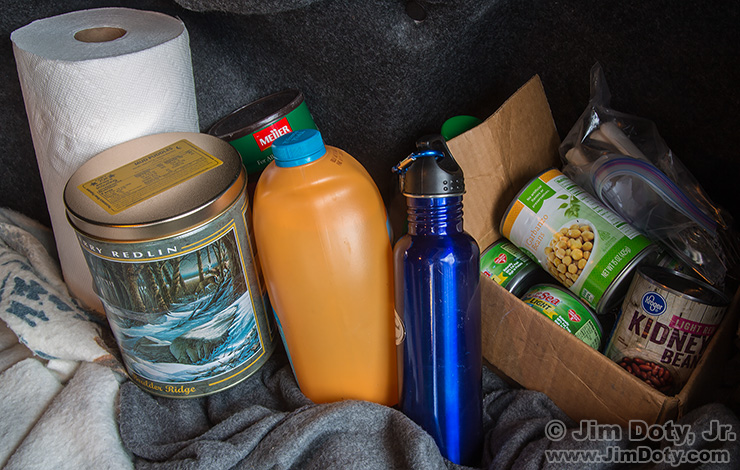
Some of the winter travel items I carry in the trunk of my car.

Some of the winter travel items I carry in the trunk of my car. This is the “kitchen” and “furnace”.

I grew up in Colorado where strange weather can strand you in any month of the year. Even though it is rare, I’ve seen blizzards in the Colorado high country in July. So I learned to carry some safety essentials when doing winter photography in remote locations. You never know when you might be stranded for several hours, a whole day, or longer, until the blizzard abates and someone can come find you. This is what I carry in my car when I hit the road in the winter and pretty much any time I am going to be in the High Rockies. I include a few winter travel tips, too.

Continue reading

How to Protect Your Camera Gear in the Cold and Snow

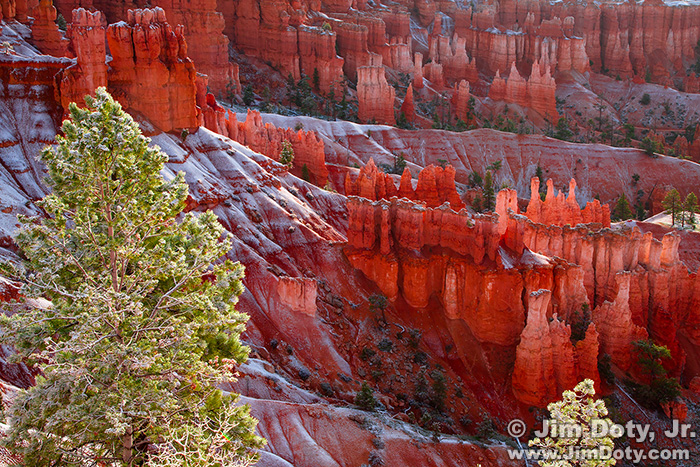
Bruce Canyon After An Overnight Snow

Bryce Canyon After An Overnight Snowstorm

It is still really cold out there so be careful to protect your camera gear. Cold and snow can cause a lot of damage to your camera gear. Something as simple as shooting outside and taking your camera inside your house or car can cause hidden damage that won’t show up until days or weeks later. The simple steps in this article could save you hundreds of dollars in repair bills.

Continue reading

Winter Photography Safety Essentials

Some of the winter travel items I carry in the trunk of my car.

Some of the winter travel items I carry in the trunk of my car. This is the “kitchen” and “furnace”.

I grew up in Colorado where strange weather can strand you in any month of the year. Even though it is rare, I’ve seen blizzards in the Colorado high country in July. So I learned to carry some safety essentials when doing winter photography in remote locations. You never know when you might be stranded for several hours, a whole day, or longer, until the blizzard abates and someone can come find you. This is what I carry in my car when I hit the road in the winter and pretty much any time I am going to be in the High Rockies. I include a few winter travel tips, too.

Continue reading

How To Work With A Model (or Anybody Else) When The Windchill is 4°

Selina

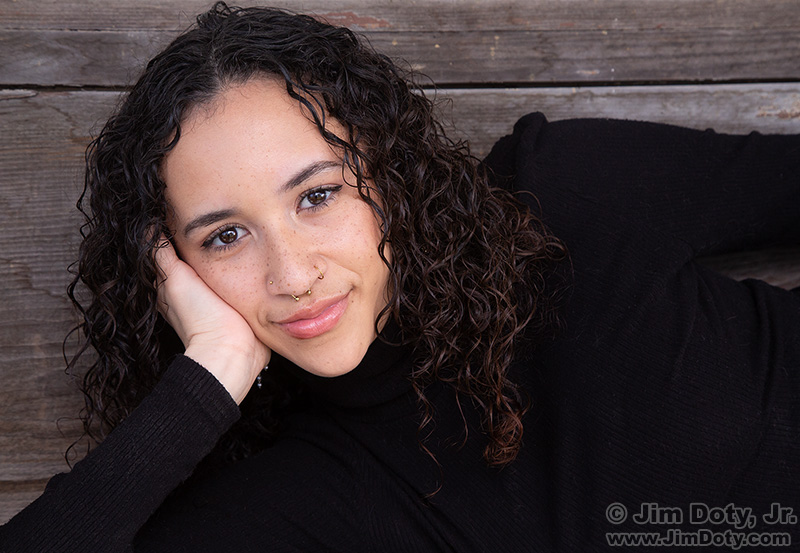
Selina, Downtown Columbus Ohio. Windchill 4°.

You would think a windchill of 4° Fahrenheit (-16°C) would be too cold for a photo shoot, but not with some models. Selina and I booked this January shoot weeks in advance so we knew it would be cold, but we had no idea how cold until the day arrived. Despite the frigid temperatures, Selina did no want to reschedule for later. Here’s the story behind this image and how to work with a model (or anybody else) when it is so cold.

Continue reading

Testing Your Camera’s Snow Exposure Latitude

Cascade, Barry, and Coxe Glaciers

Cascade, Barry, and Coxe Glaciers, Prince William Sound, Alaska

The “snow exposure latitude” for every camera is different. You won’t find it in your camera’s manual but it is easy to determine with a do-it-yourself test. Why does it matter? If you don’t know the snow exposure latitude for your camera and how to apply it to your images, the color and quality of your winter photos will suffer.

Continue reading

Finding a Photo Location

Western Scrub-Jay

Western Scrub-Jay

10 years ago this morning I was at the Don Edwards San Francisco Bay National Wildlife Refuge in Fremont California. I spotted this pretty blue bird while driving around the parking lot at the visitors center. It was in the dry grass grass at first and then hopped into a bush with red berries. As you can see, the bush photo is much better. When I had a chance I looked up this bird. It is a Western Scrub-Jay.

Continue reading

Metering Nighttime Winter Scenes

Twilight, Rocky Mountain National Park.

Twilight, Rocky Mountain National Park. Sirius, Canis Major, Orion, Taurus, the Hyades star cluster, and the Pleiades star cluster are all visible in the fading light. Click for a larger version.

You can photograph the night sky year around, but winter brings an added bonus: SNOW! When you don’t have the benefit of moonlight, most of the year land forms a dark to black silhouetted skyline against the night sky. In winter you have the possibility of including the highly reflective snow. You can see both in this photo. Any place not covered with snow is very dark to black. Having reflective snow is why winter is the favorite time of year for a lot of photographers to go out and photograph the night sky.

Continue reading

Metering Wildlife in the Snow, Part Two

Cougar

Cougar

Most wildlife are medium to dark in tone, making them a challenge to meter properly in the bright, white tones of winter. If you trust one of your camera’s automatic exposure modes, the odds are good you won’t get the best exposure. If you switch over to manual exposure and make the right decisions, you can get great exposures and better quality photos (more about that later).

Continue reading

Metering Wildlife in the Snow, Part One

Elk in the Snow, Rocky Mountain National Park

Elk in the Snow, Horseshoe Park, Rocky Mountain National Park, Colorado

Metering dark toned wildlife in the snow is a major exposure challenge. It is usually best to avoid large “burned out” areas (washed out, featureless white) in a nature or landscape photograph, but with properly exposed snow, the wildlife can be so dark as to lose all texture. On other hand, metering for the wildlife can burn out the snow. So what do you do? And what about the complications of metering white animals?

Continue reading

“How To” Series: Winter Photography

Last Light on El Capitan, Yosemite National Park

Last Light on El Capitan, Yosemite National Park

In addition to all of the usual photographic challenges, winter provides some extra complications, especially in terms of metering. So I began this series of articles on winter photography. Check out the links below. The articles will help you meet the unique challenges of winter photography. So get out there, have fun, and create some great winter images!

Continue reading

Camera Settings for Trunk or Treat

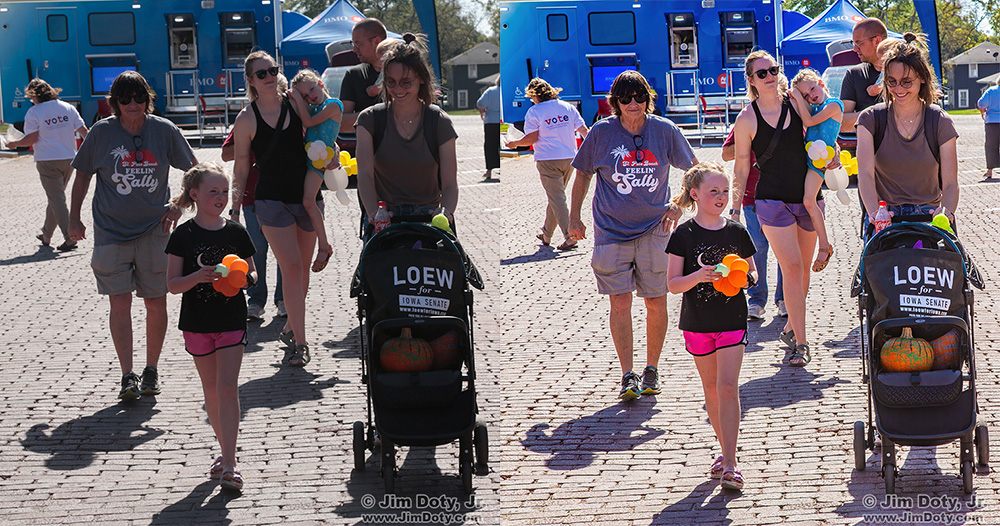
Trunk or Treat, sponsored by the Graceland University Enactus program, Lamoni Iowa.

If I am photographing an event and the light is constant, I shoot in manual mode for the most accurate exposure and the best color. But if the light is variable, there isn’t time during an active event to be constantly changing the exposure because you will miss too many photo ops. That means shooting in an automatic mode.

Continue reading

Total Immersion Nature Photography Weekend in Beautiful Northern Michigan

Michigan Photography Workshop

Are you ready to take your nature and wildlife photography to the next level? Are you ready to learn the professional secrets that make the difference between good images and great images? Are you ready for a high intensity, action packed, total immersion photography weekend? Come to Park of the Pines on beautiful Lake Charlevoix October 13-15, 2023.

Continue reading

Painting People with Light

Rachel painted with light.

Painting with light is an interesting technique that gives you a different kind of look from using a flash unit or ambient light. As with other kinds of light you can make your subject as light or dark as you want. For these images I went with a darker, low key look. Inanimate objects are the usual subjects for painting with light because they do not move during the long exposures, but I wanted to try it with a live human being so I asked a friend to be my subject.

Continue reading

How to Photograph Jupiter, Saturn, and Their Moons

Great Conjunction of Jupiter and Saturn with their moons. December 21, 2020. Click to see a larger version.

With a tripod mounted camera and a 300-400mm telephoto lens, it is possible to photograph Jupiter and its four Galilean moons (they are named for Galileo), and Saturn and its biggest moon, Titan. I captured them during their Great Conjunction a little over two years ago. Jupiter is on the left with three of its Galilean moons. Saturn is on the right and Titan is just to the right of Saturn.

Continue reading

The Super Conjunction of Jupiter and Venus

Jupiter with three Galilean moons (left) and Venus (right). Click the image for a somewhat larger version.

The super conjunction of Jupiter and Venus, March 1, 2023 at 7:24 pm. Venus and Jupiter pass each other on a regular basis so conjunctions aren’t rare. But this time they passed unusually close to each other, making it a Super Conjunction. They were 1/2 degree apart. They won’t be this close to each other again until February 2032. I had a telescope set up for my grandsons and they were thrilled to see three of Jupiter’s four “Galilean Moons” (named for Galileo who spotted them through his telescope). The Galilean Moons from top to bottom in this photo are Callisto, Ganymede, and Io. (Europa was not visible.)

Continue reading