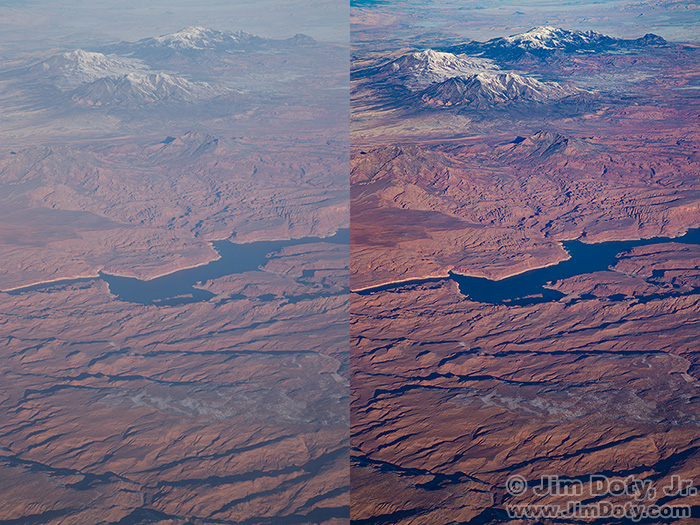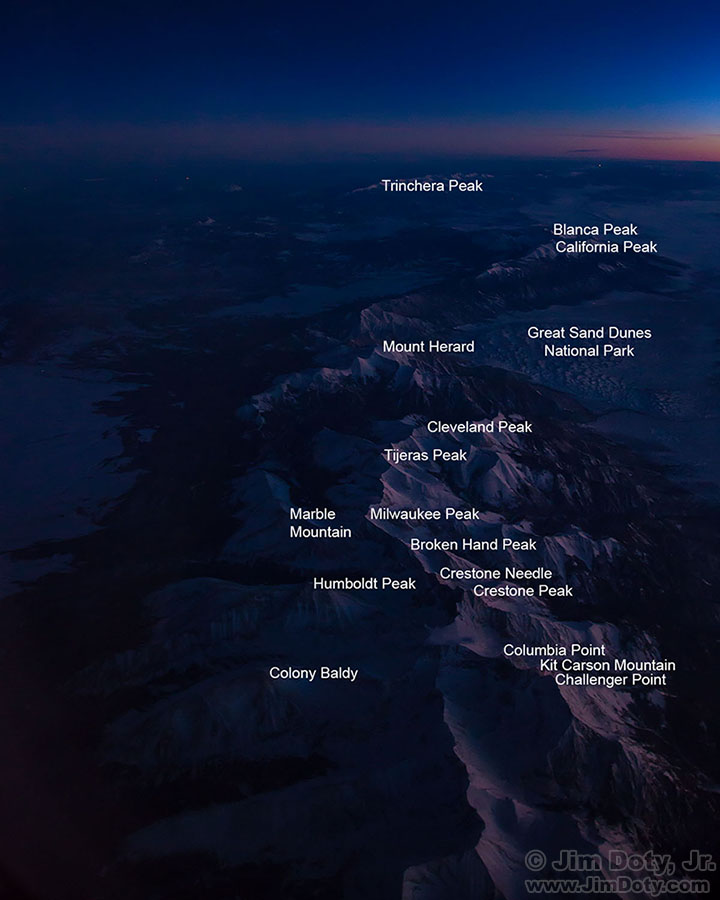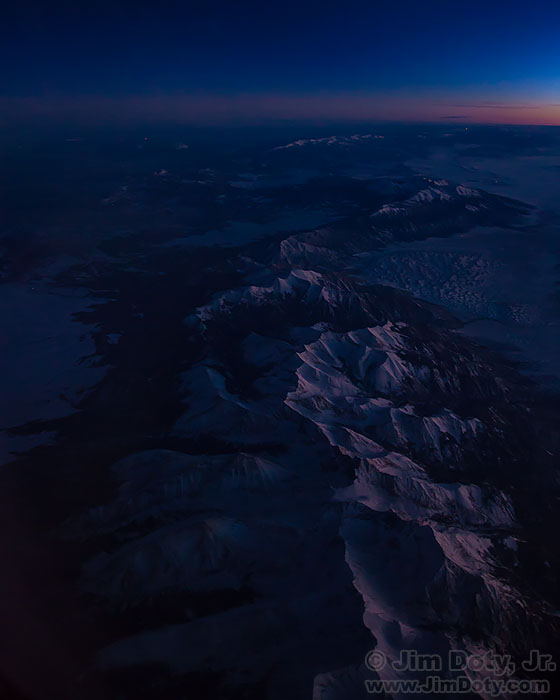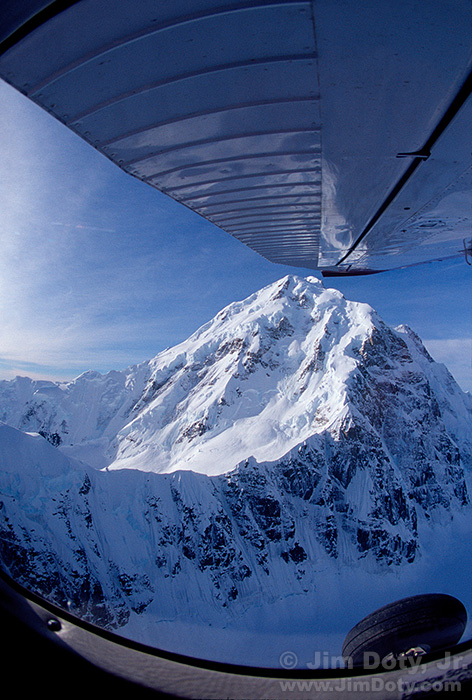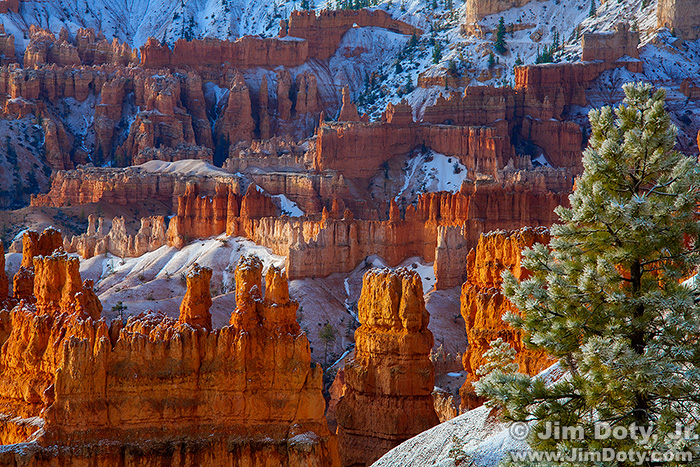
Everything but time was in my favor. I was able to grab a good window seat (well ahead of the engines) with a clean, un-crazed window on the correct (right) side of the plane to photograph the Sange de Cristo Mountains.
Category Archives: General
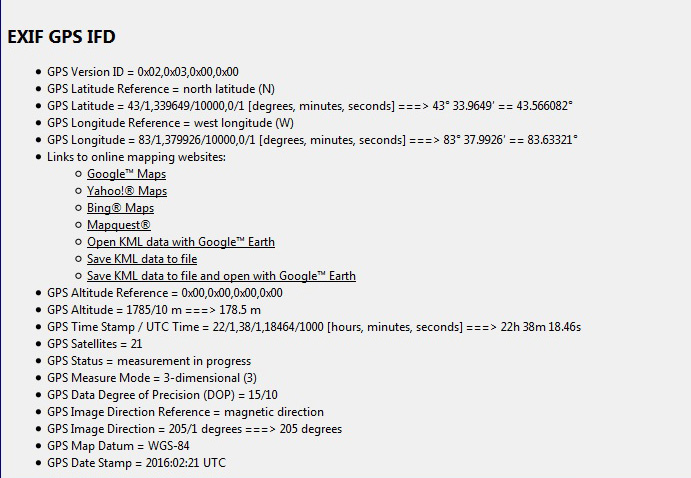
How To Get GPS Coordinates Into Google Earth

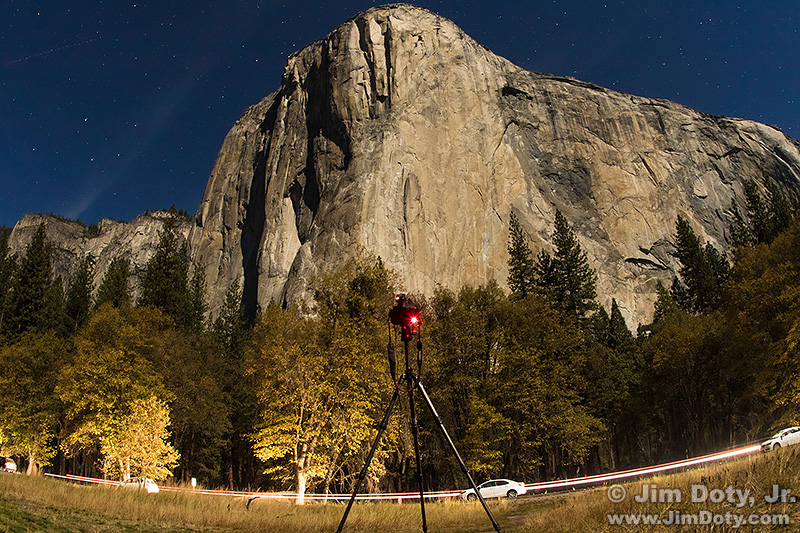
El Capitan in the moonlight along with a camera and tripod. El Capitan Meadow, Yosemite National Park, California.
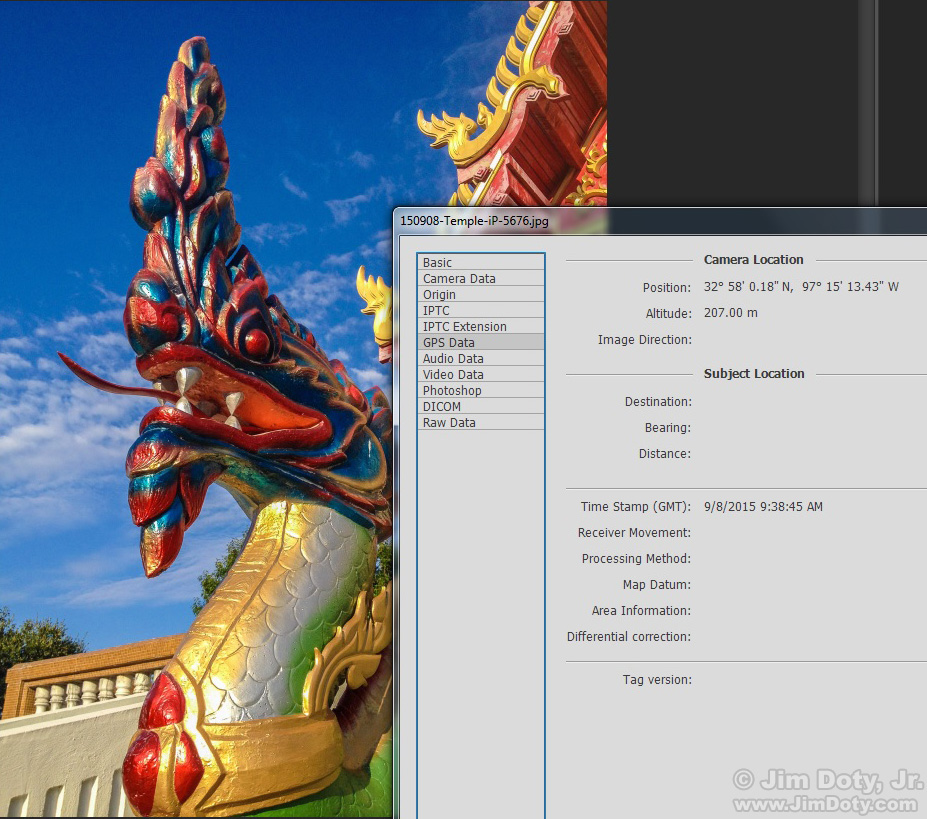
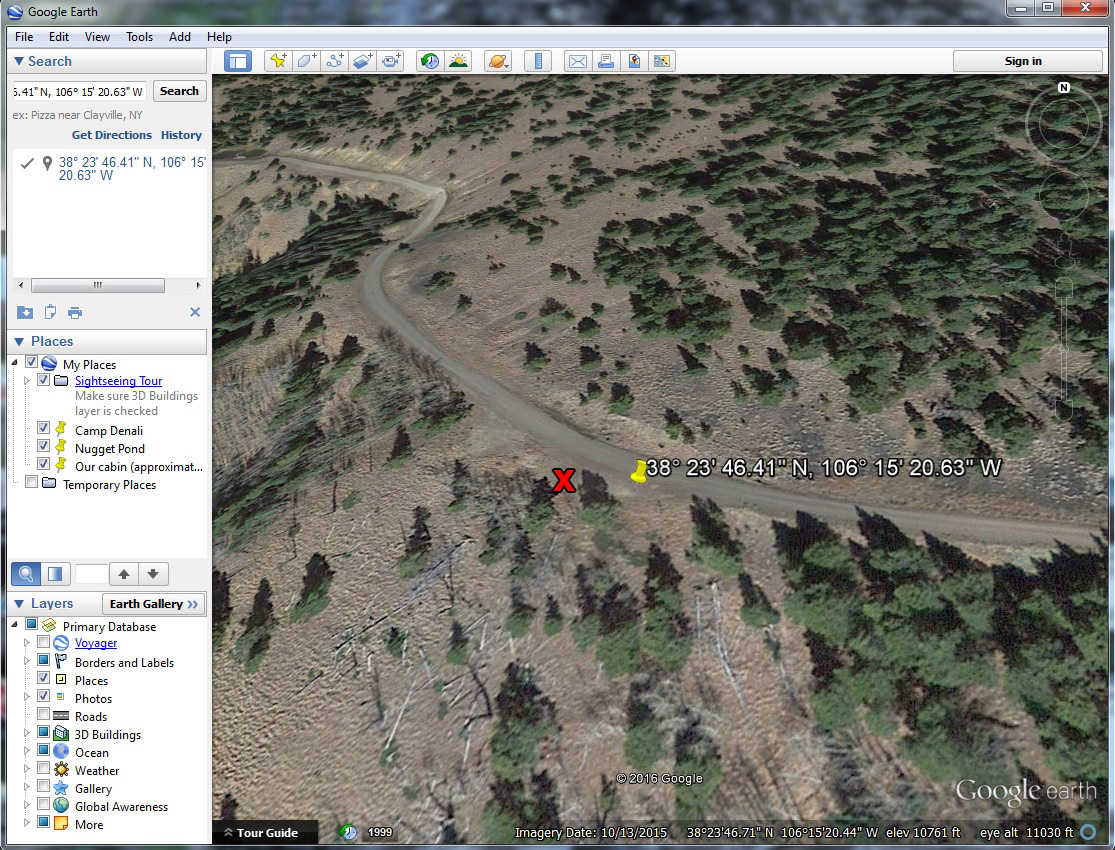
GPS Data is increasingly important to photographers. It is the link between photos and photographic locations. It can be very helpful to drop GPS coordinates into a program like Google Earth to be able to tell exactly where a photo was taken. How do you do that?
Originally Feb. 9, 2016. Updated and re-posted Feb. 5, 2017.
Using Google Earth to Find the Name of a Mountain (and How to Get GPS Info into Google Earth)
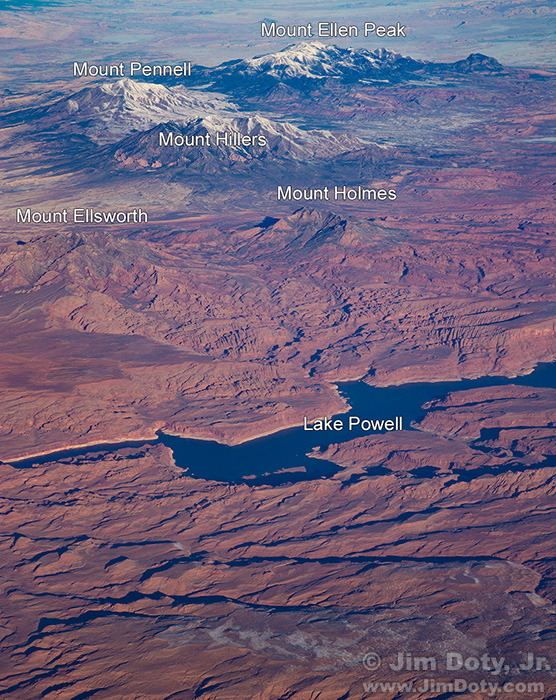
What is the name of this mountain? Photo editors want to know. They like caption information. If you have a distinctive mountain in your photo, “Mountain in Colorado” won’t cut it with your friendly neighborhood photo editor. Here’s how to identify that mountain in Google Earth (and how to get GPS coordinates into Google Earth).
Originally posted Jan. 26, 2016. Updated and re-posted Feb. 5, 2017.
Checking the GPS Location Accuracy of Your Camera, Part Two
The fastest way to check location accuracy your camera’s GPS information is to take a photo at a known location that you can pinpoint on a map.
Posted Jan. 28, 2016. Updated and re-posted Feb. 3, 2017.
Checking the GPS Location Accuracy of Your Camera, Part One
In a prior article (on figuring out the name for Antora Peak) I noted the discrepancy between the GPS coordinates provided by my iPhone and the actual location where I took the photo (graphic above). They were off by about 20-30 feet. You can test the accuracy of the GPS information provided by your camera/smartphone. This article will show you how.
Originally posted Jan. 28, 2016. Updated and re-posted Feb. 3, 2017.
The Why and How of Adding GPS Information To Your Photos
Should you join the growing number of photographers who “geotag” their photos (add GPS data). How do you do it? Are there times you shouldn’t?
Originally posted Jan. 28, 2016. Revised and re-posted Feb. 2, 2017.
Comparing the GPS Accuracy of Three Cameras
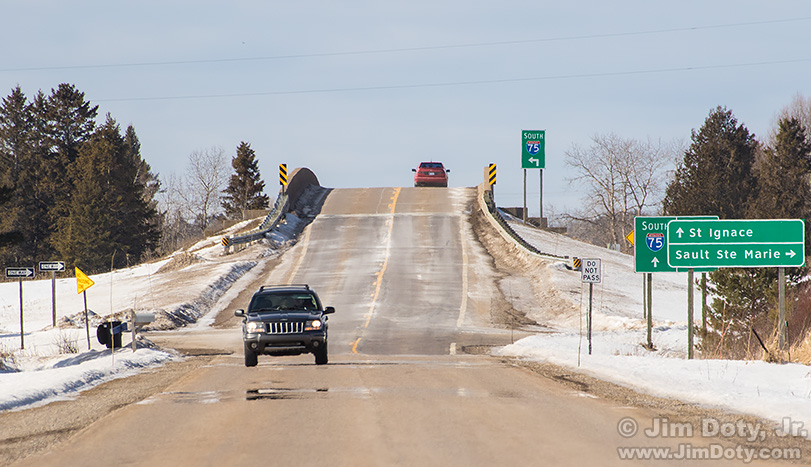
I was on S. Hantz Road east of Rudyard, Michigan looking for Snowy Owls. According to eBird there had been several recent Snowy Owl sightings in the area, but no owl was to be found the day I was there. Another photographer I met didn’t have any luck either. I had three GPS enabled cameras with me, counting my phone, so with no owls in sight I decided to compare the accuracy of the GPS units.
Originally posted Jan. 31, 2017. Revised and expanded Feb. 19, 2017.
“Where Were You When You Took Those Photos?”
Today (Mar 18, 2014) I was asked by a client where I was when I took some photos in Banff National Park. I was able to provide him with the exact locations, complete with marked satellite images. It is a good idea to known where you were when you created your most important images, and the more specific the information the better. It is good info to have for your own use and sometimes it can make the difference between whether or not one of your images is published.
Originally posted Mar. 18, 2014. Updated and re-posted Jan. 30, 2017.
Adobe Bridge Freezes Up? Try This!
I had a serious problem with Adobe Bridge freezing on start up. It was totally unresponsive on my MacBook Air. The only way I could close Bridge to remove it from hiding my desktop was to hold down the power button until my laptop shut down.
The National Park Series: Where to Go and When
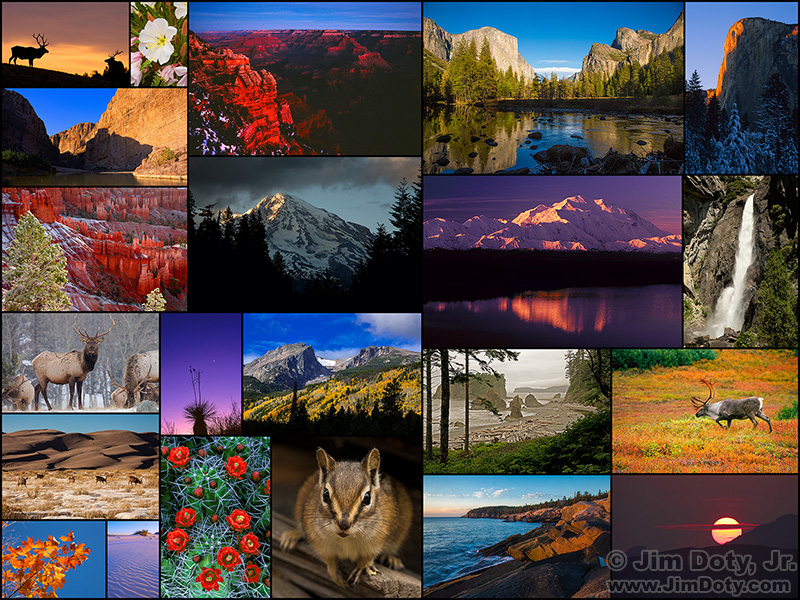
The national parks in the U.S. and Canada are natural, environmental, and photographic treasures. They are high on the list of preferred destinations for professional and amateur photographers alike. To help you show up at right places at the best times to create beautiful images, I put together this ongoing series of articles.
Posted January 22, 2017. Most recent update: January 22, 2026. Continue reading
When is the Best Time of Year to Photograph Each of Our National Parks?
Planning a trip to photograph some of our national parks? You will get better images if you visit a national park at its prime season of the year. But when is each park at its very best? And how about great locations that aren’t in the national parks? This article has answers.
Posted January 18, 2017. Updated February 10, 2018.
The Chinese Lens Rip Off! Part Four
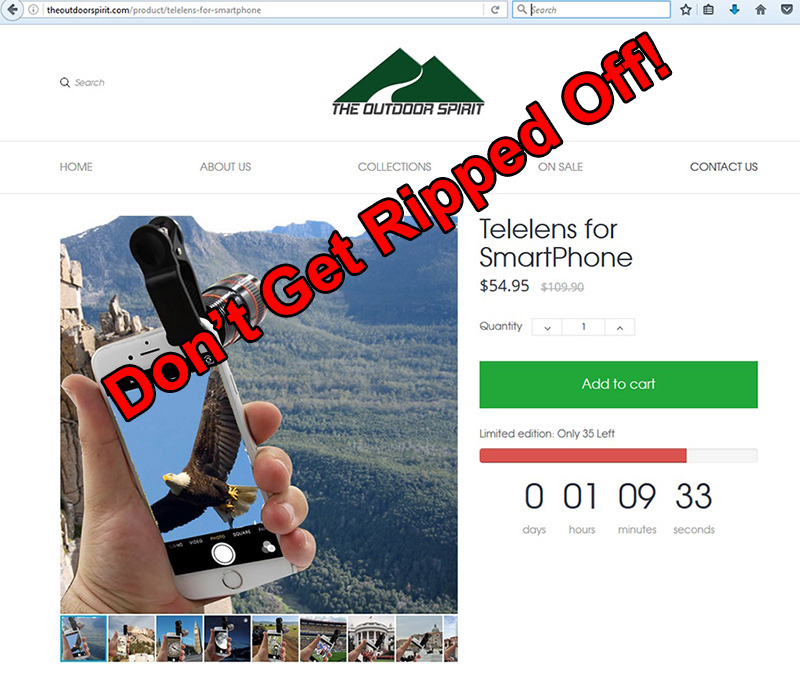
We’ve been down this road before. The formula is simple. Take a cheap smart phone telephoto lens you can buy at Amazon for $15, sell it for $54.95, say it is a limited half price offer, and imply the lens will do amazing things that every well informed photographer knows the cheap lens absolutely can’t do.
Posted Jan. 8, 2017. Expanded Dec. 2, 2017.
One Photographer and Nine Outdoor/Travel Writers Pick the Best Winter National Parks
I am planning a winter photography trip to some U.S. national parks, some of which I haven’t been to before. So I am narrowing down my choices to fit the time I have. My search is what led to the advice in this article. I recommend you also read The Best National Parks to Photograph in Winter.
Posted January 17, 2017. Updated Jan. 3, 2018.
The Best National Parks to Photograph in Winter
Winter provides some wonderful photo opportunities in our national parks. So if you haven’t gone into hibernation for the winter, here are the best national parks to go photograph this winter, grouped by state from the west to the east. There are a few bonus locations thrown in too. At the end I give you my “best of the best” list.
Posted Jan. 17, 2017. Updated Jan. 3, 2018.
Winter Photography Safety Essentials
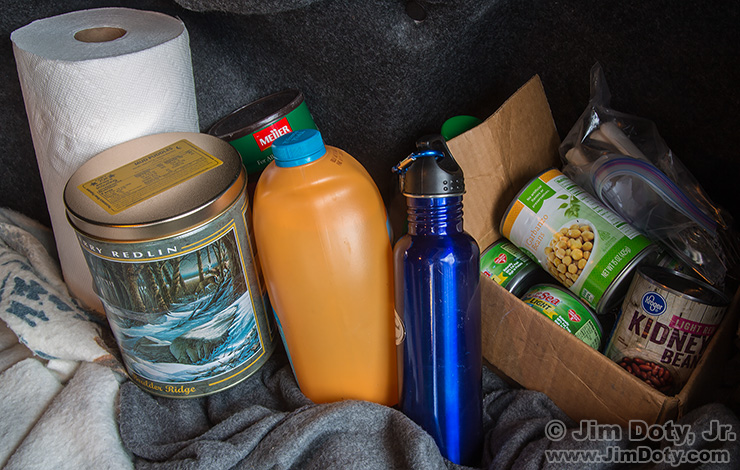
I grew up in Colorado where strange weather can strand you in any month of the year. Even though it is rare, I’ve seen blizzards in the high country in July. So I learned to carry some safety essentials when doing winter photography in remote locations. You never know when you might be stranded for several hours, a whole day, or longer, until the blizzard abates and someone can come find you. This is what I carry in my car pretty much year around but especially in the winter. I include a few winter travel tips, too.
Exposure Warning: Turn On The Blinkies

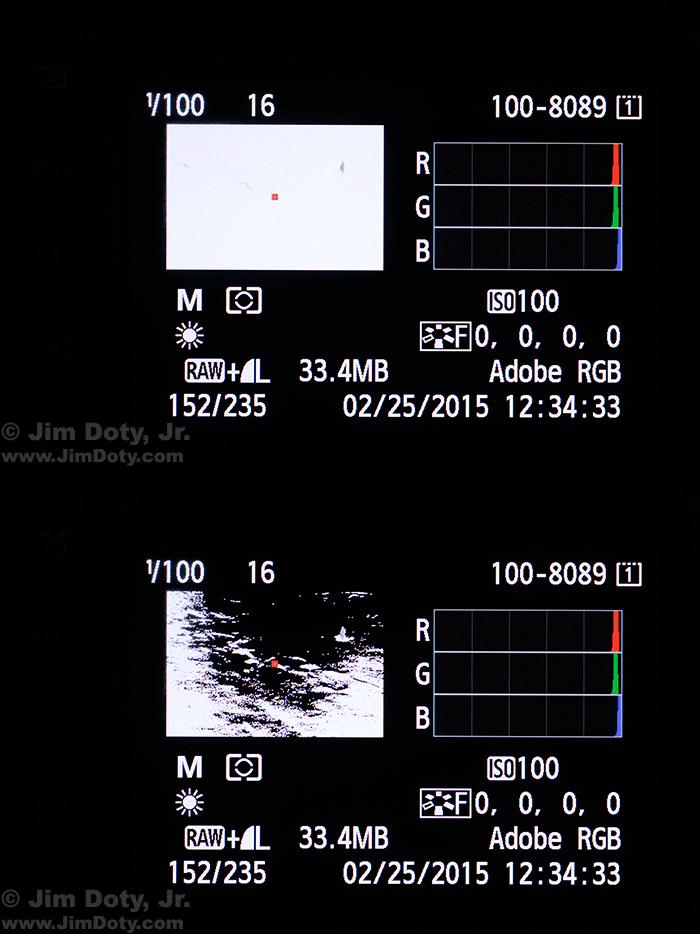
Camera LCD Display With The Blinkies Turned On. Washed out pixels in the photo are flashing white and black.
Some camera’s come with a highlight overexposure warning, commonly called “the blinkies”. If you have overexposed, blown out pixels, those pixels in your image will flash white and black. A quick look at the LCD image will tell you if part of your image has white, washed out, featureless pixels. If your camera has a highlight overexposure warning, I suggest you turn it on. If you see the blinkies and you don’t want washed out pixels, tone down your exposure until the blinkies go away.
Martin Luther King, “I have a dream . . .”
The full seventeen minute speech is here.
How To Focus Your Lens at Infinity for Night Photography
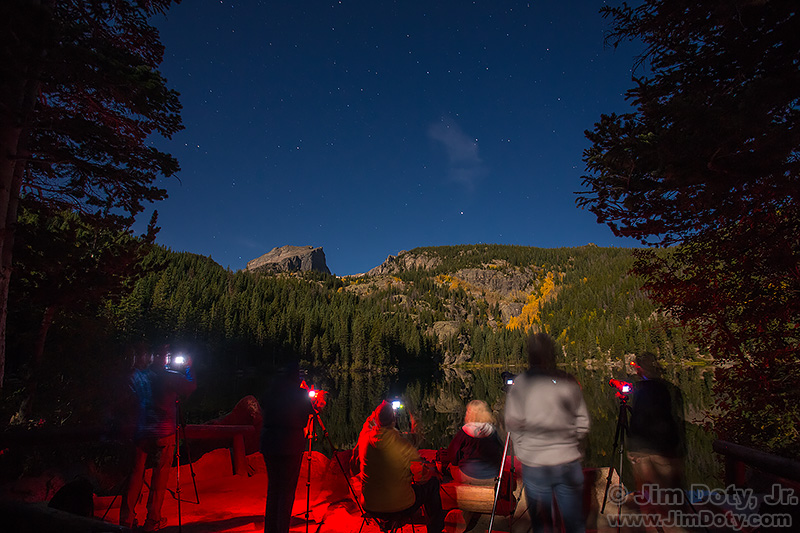
The most important and difficult step in night photography is to focus your lens at infinity. If you have tried to focus on the stars at night you have already learned that it is an impossible task for the autofocus system and just about impossible for you to do manually. You just can’t see clearly enough through the viewfinder in the dark of night to manually focus on the stars. Fortunately, there are some ways to get the job done.
Originally posted Jan. 8, 2017. Revised and expanded Feb. 10, 2017.
It’s Backup and Verification Time
It’s that time of year. I downloaded a bunch of holiday photos and it’s also time to check on my overall backup plan.
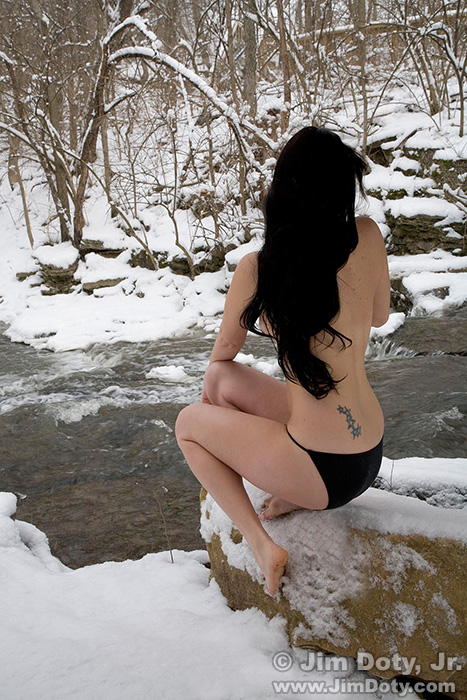
How to Photograph a Nude Model in the Snow
It is difficult enough to create a beautiful nude image under normal circumstances, much less in the cold and snow. You need to bring some significant skills and experience to the task. So does your model.
How To Work With A Model When The Windchill is 4°
You would think a windchill of 4° Fahrenheit (-16°C) would be too cold for a photo shoot, but not with some models. We booked this January shoot weeks in advance so we knew it would be cold, but we had no idea how cold until the day arrived. Here’s the story behind this image and how to work with a model when it is so cold.
The Sunny f16 Rule Isn’t Reliable in Winter
The Sunny f16 rule is really useful on bright sunny days in the spring, summer, and fall, but you can’t rely on it on bright, snowy winter days. It will often lead you astray. There are much more accurate ways to meter in the winter.
Metering Nighttime Winter Scenes

Twilight, Rocky Mountain National Park. Sirius, Canis Major, Orion, Taurus, the Hyades star cluster, and the Pleiades star cluster are all visible in the fading light. Click for a larger version.
You can photograph the night sky year around, but winter brings an added bonus: SNOW! When you don’t have the benefit of moonlight, most of the year land forms a dark to black silhouetted skyline against the night sky. In winter you have the possibility of including the highly reflective snow. You can see both in this photo. Any place not covered with snow is very dark to black. Having reflective snow is why winter is the favorite time of year for a lot of photographers to go out and photograph the night sky.
Metering Evening Winter Scenes
Just like metering daytime winter scenes, the key to metering evening winter scenes is knowing what to meter and deciding how much exposure compensation to use.
Metering Wildlife in the Snow, Part Two
Most wildlife are medium to dark in tone, making them a challenge to meter properly in the bright, white tones of winter. If you trust one of your camera’s automatic exposure modes, the odds are good you won’t get the best exposure. If you switch over to manual exposure and make the right decisions, you can get great exposures and better quality photos (more about that later).
Metering Wildlife in the Snow, Part One
Metering dark toned wildlife in the snow is a major exposure challenge. It is usually best to avoid large “burned out” areas (washed out, featureless white) in a nature or landscape photograph, but with properly exposed snow, the wildlife can be so dark as to lose all texture. On other hand, metering for the wildlife can burn out the snow. So what do you do?
Metering People in the Snow
The white snow in a winter scene can and often does fool a camera meter into underexposing a portrait, so here are the steps to take to get the right exposure. I throw in a few portrait suggestions too.
Metering Daytime Winter Scenes
Metering for scenes with a lot of snow can be tricky since the bright snow fools the camera meter. I see a lot of winter photos with gray snow, which means the camera meter did exactly what it was designed to do and the camera owner didn’t know how to use exposure compensation. The solution is quite simple provided you know what to do.
Happy New Year!
National Geographic’s Best Photos of 2016

A pet saddleback tamarin hangs on to Yoina Mameria Nontsotega as the Matsigenka girl takes a dip in the Yomibato River, deep inside Peru’s ManuÌ National Park. Photo by Charlie Hamilton James.
Out of 2,290,225 photographs by 91 photographers, National Geographic picked the 52 best images of the year.