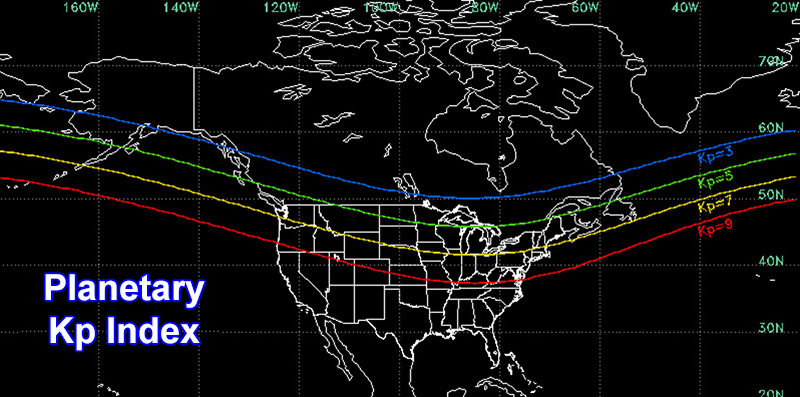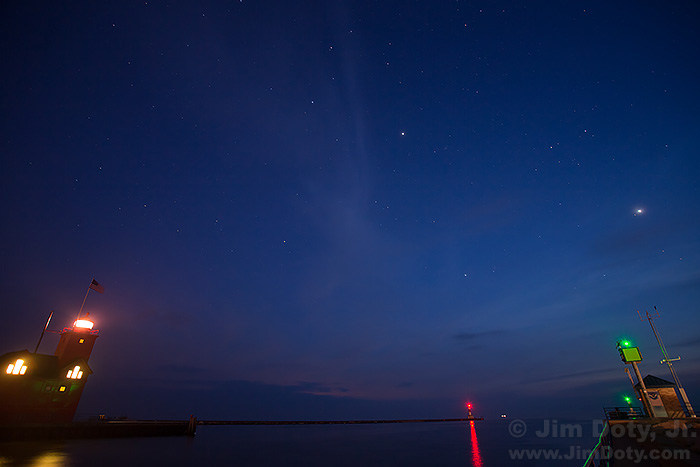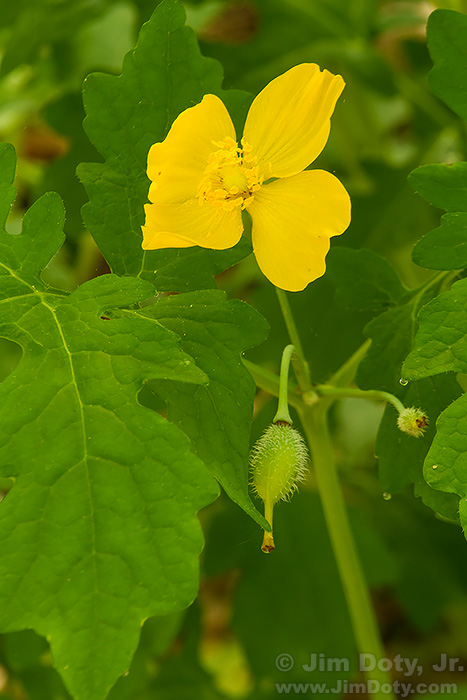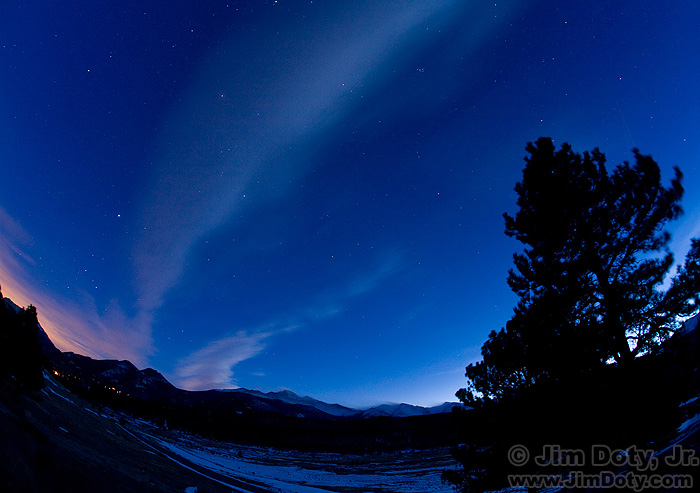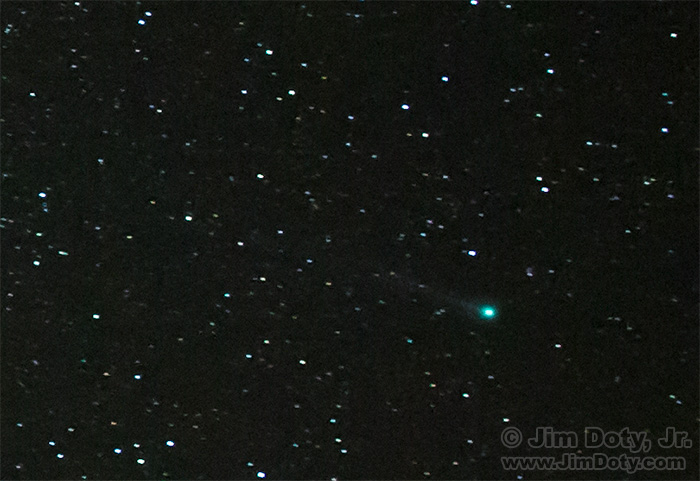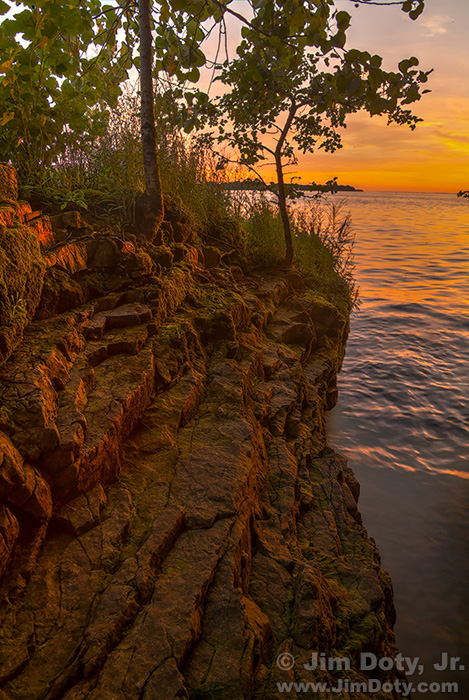
It was an amazing night for Northern Lights in Northern Michigan, and I was leading a photography workshop. What a treat for all the photographers! I specifically picked this location on Lake Michigan so we would have the lake, some trees for framing the image and a good view in the expected direction of the Northern Lights.
Category Archives: Techniques
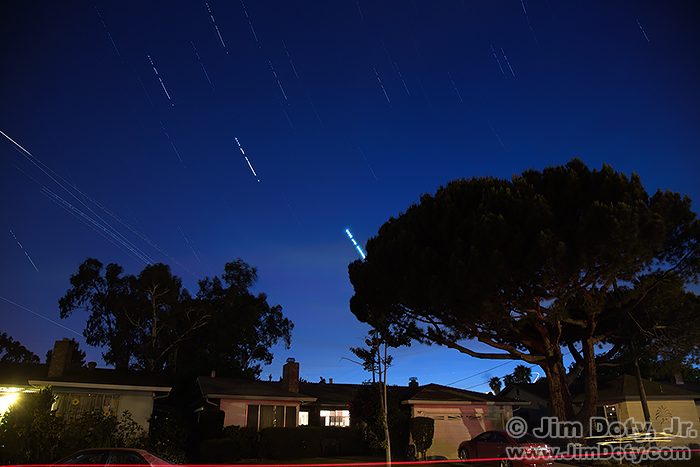
How to Photograph the International Space Station

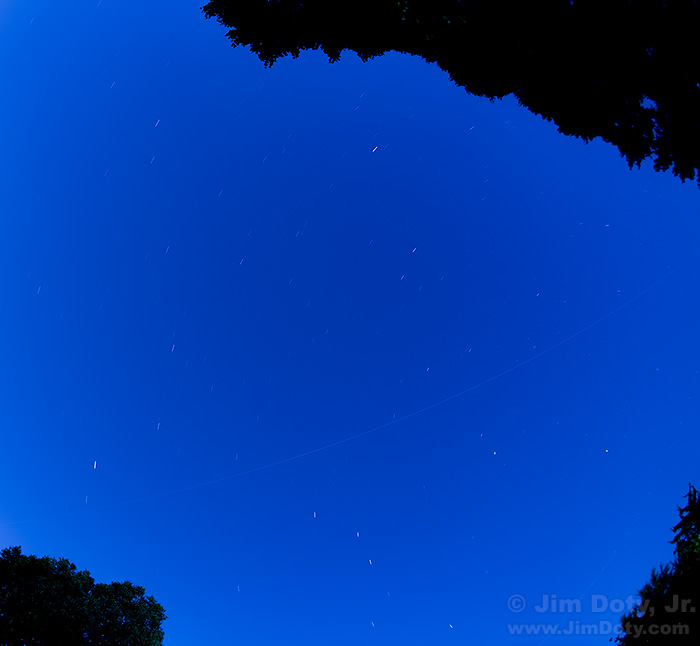
Light Path of the International Space Station. August 1, 2015. 10:05 – 10:09 pm EDT. Click to see a larger version.
The International Space Station (ISS) passes over Columbus Ohio. It isn’t that hard to find and it is relatively easy to photograph. In this photo the light path curves below the center of the frame from lower left to upper right (click to see a larger image). There are also airplane lights in the lower right corner of the frame. The stars are slightly streaked due to the motion of the earth during the long photograph.
How To Photograph Fireworks
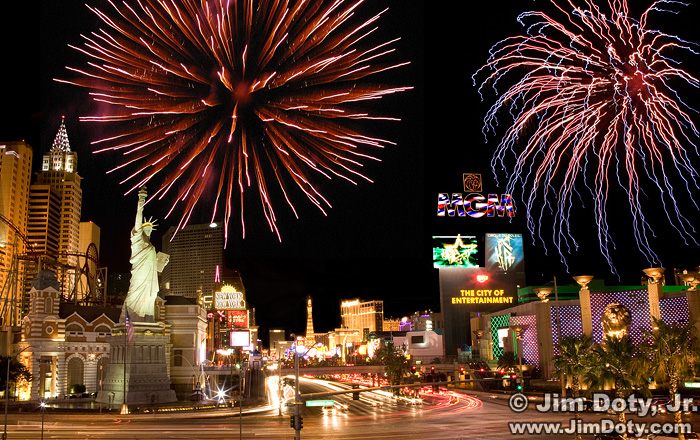
You can point your camera at the sky in auto exposure and autofocus modes and fire away whenever you see a burst of fireworks, but for the best quality photos, it helps to know a few tricks of the trade. It’s easy when you know what to do.
Tonight is the “Star of Bethlehem” Conjunction
Tonight is the night for the “Star of Bethlehem” conjunction of Venus and Jupiter. They will come within 1/3 of a degree of each other in the western sky.
POTD: Wood Poppy
On my way home from my photography workshop in Grand Rapids/Holland, another photographer and I stopped at West Lake Nature Preserve in Portage, Michigan. It is one of my favorite nature photography locations in southwest Michigan. Something is happening there most any time of year.
Metering Nighttime Winter Scenes

Twilight, Rocky Mountain National Park. Sirius, Canis Major, Orion, Taurus, the Hyades star cluster, and the Pleiades star cluster are all visible in the fading light. Click for a larger version.
You can photograph the night sky year around, but winter brings an added bonus: SNOW! Instead of the black, silhouetted skyline you get most of the year, in winter you have the possibility of including the highly reflective snow. That is why for many photographers winter is their favorite time of year to photograph the night sky.
How To Photograph Comet Lovejoy
If you have never photographed a comet before, this is a great chance to practice. All you need is a camera with long shutter speeds, a reasonably fast wide angle lens, and a tripod. Most any recent model DSLR will do, plus a few high end point-and-shoot (all in one) cameras.
Metering Wildlife in the Snow, Part Two
Most wildlife are medium to dark in tone, making them a challenge to meter properly in the bright, white tones of winter. If you trust your camera’s auto exposure modes, the odds are good you won’t get the best exposure. If you switch over to manual exposure and make the right decisions, you can get great exposures and better quality photos (more about that later).
Metering Wildlife in the Snow, Part One
Metering dark toned wildlife in the snow is a major exposure challenge. It is usually best to avoid large “burned out” areas (washed out, featureless white) in a nature or landscape photograph, but with properly exposed snow, the wildlife can be so dark as to lose all texture. On other hand, metering for the wildlife can burn out the snow.
Metering People in the Snow
The white snow in a winter scene can and often does fool a camera meter into underexposing a portrait, so here are the steps to take to get the right exposure. I throw in a few portrait suggestions too.
Metering Daytime Winter Scenes
Metering for scenes with a lot of snow can be tricky since the bright snow fools the camera meter. I see a lot of winter photos with gray snow, which means the camera meter did exactly what it was designed to do and the camera owner didn’t know how to use exposure compensation. The solution is quite simple provided you know what to do.
Getting Started with High Dynamic Range (HDR) Photography
Compared to the human eye, digital cameras have a very limited dynamic range. Your digital camera simply can’t capture the range of tones from light to dark that your eyes can see. That is why HDR photography has become so popular with so many photographers, and absolutely essential for some commercial photographers.
Update, November 19, 2017: A revised version of this article is here.
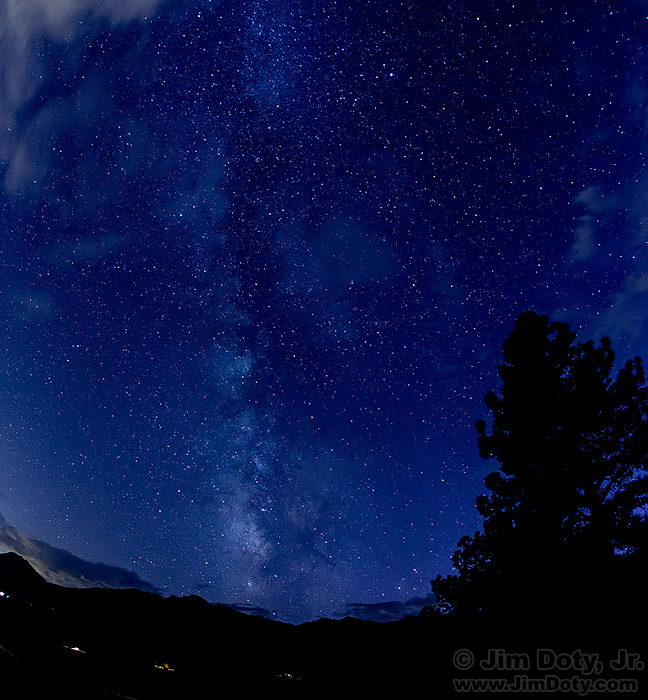
POTD: The Milky Way, Rocky Mountain National Park
Although there is some sky glow from the cities along Colorado’s front range, you can still get some nice photos of the Milky Way from Rocky Mountain National Park.
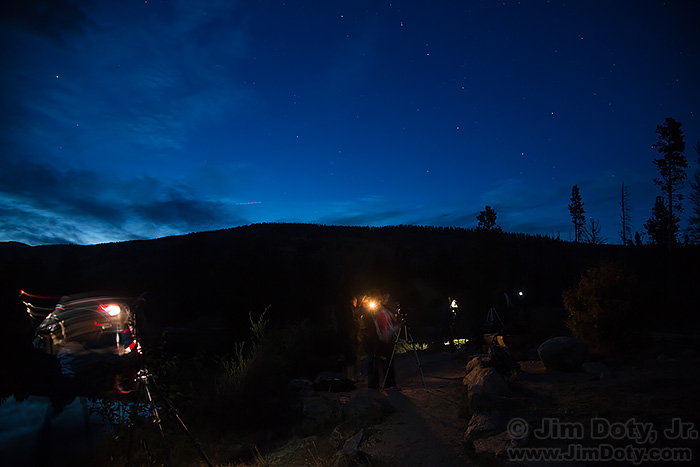
POTD: Photography Field Trip at Night
You don’t have to put your camera away just because the sun sets and the stars come out. Stay outside and have fun. Put your camera on a tripod (if it isn’t already), set your shutter on B (for bulb) and take long exposures of the night sky. Be sure to include some of the landscape.
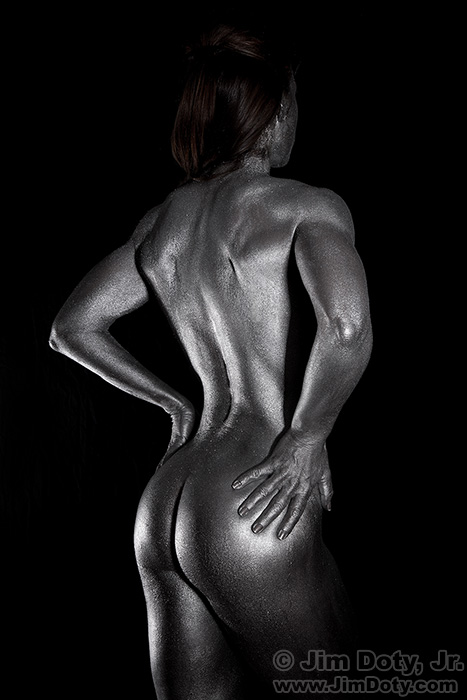
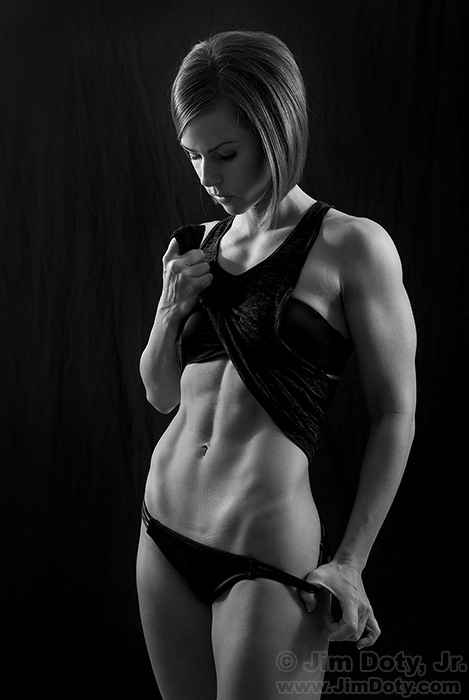
POTD: Sarah (How To Do A Fitness Portrait)
Sarah is a professional fitness trainer and we have worked together before. We had another photo shoot Saturday morning and this is the first photo I optimized from the shoot.
The “Purkinje Effect”: Colors Your Eyes Can’t See – But Your Camera Can
In low light conditions there are colors your eyes can’t see, but your camera can capture them if you know what you are doing. That is one of the reasons I take my photography workshops and classes out on field trips at night.
Authenticity in Civil War Photography
Civil War reenactors go to great efforts to make sure their clothes and equipment are authentic to the era. So if you want your reenactment images to look authentic it is important that you pay attention to the background. Any large farm equipment, civilian clothes (including cargo shorts), small digital cameras, buildings, and paved streets need to be authentic to the 1860s. And of course if you want a really authentic look, convert your image to black & white.
Civil War Days: How to Capture a Muzzle Flash
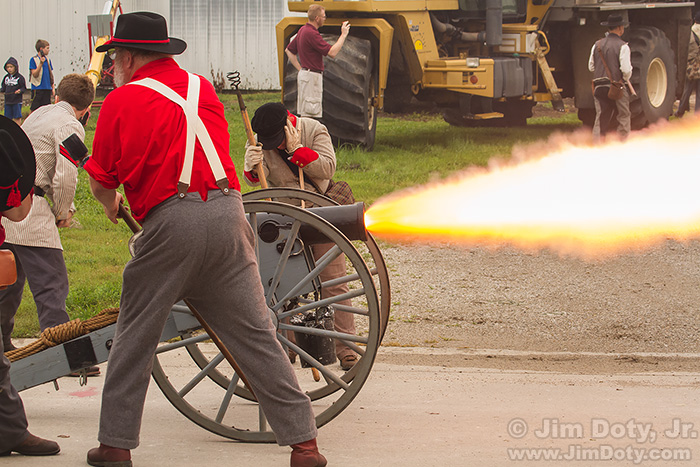
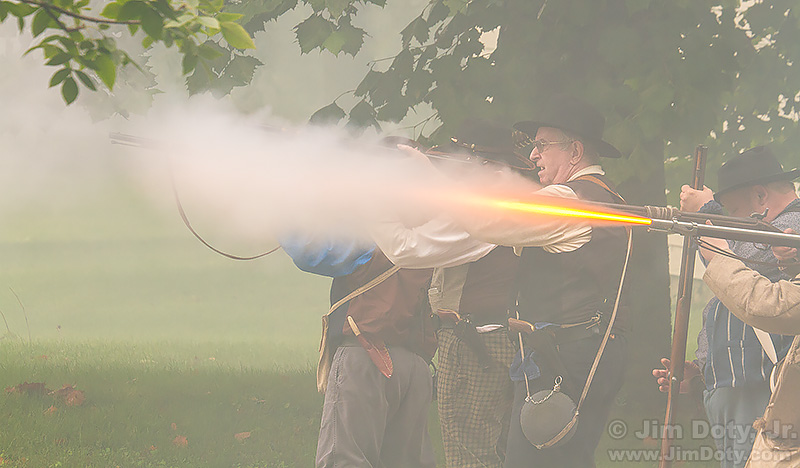
A Civil War reenactment means catching some of the action. Catching a muzzle flash is ideal. How do you do this? You need the right kind of event, a good shooting location, and the proper technique.
POTD: Kristin in the Shade with a Touch of Fill Flash
Cloudy bright days are great for portrait photography. No harsh shadows. Soft even, flattering light. So what do you do in the harsh light (at least for most portrait photography) of a bright, sunny day?
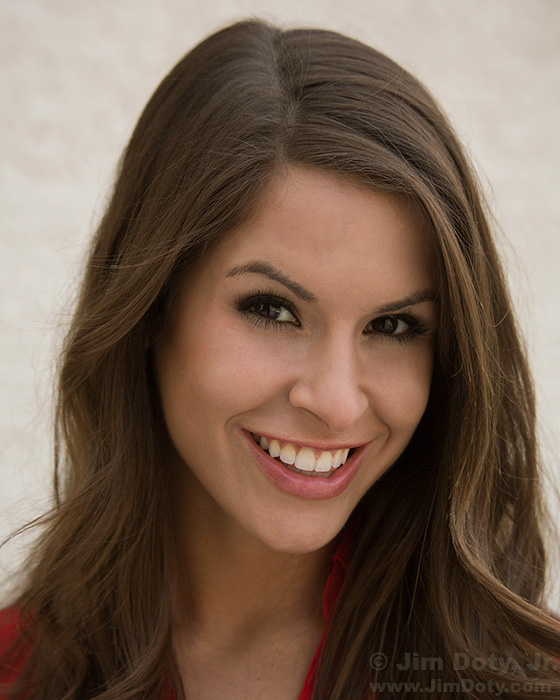
A Portfolio Image for a Modeling Agency
This is good news. Kristina wrote this afternoon to tell me her modeling agency wants to use this image as her main commercial shot for their website. Modeling agencies are very particular about the type and quality of images they use, so this made my day!
Seven Simple Photography Hacks from COOPH
Most of these have been around for a long time, but they are still effective. And cheap!
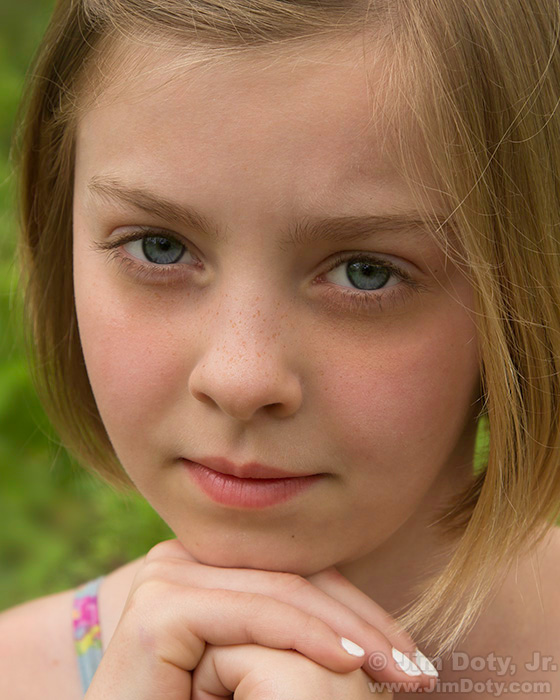
Simple Steps to Better Portraits
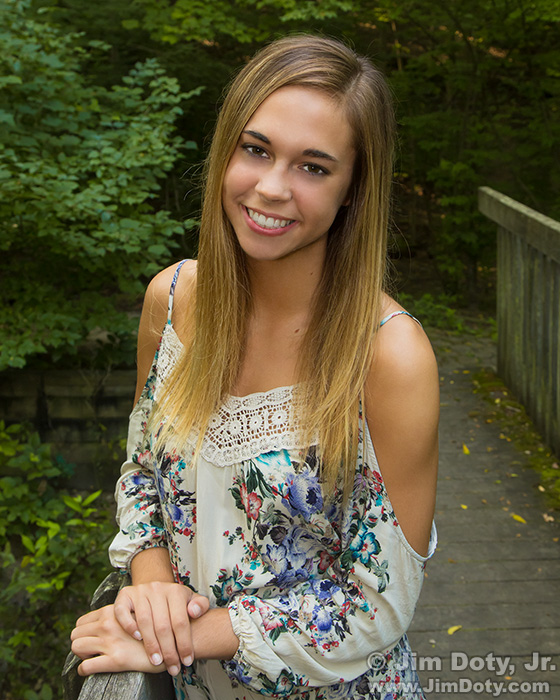
This photo is pretty close to a “to do” list for portrait photography. Focus on the eyes. Shoot in soft light. Have the face at a slight angle. Use a short telephoto focal length. Have the camera lens just above eye level. Use a non-obtrusive background. Give the subject something to do. Move in close for extra impact. Portrait rules to be followed and broken. So when do you follow the rules and when do you break them?
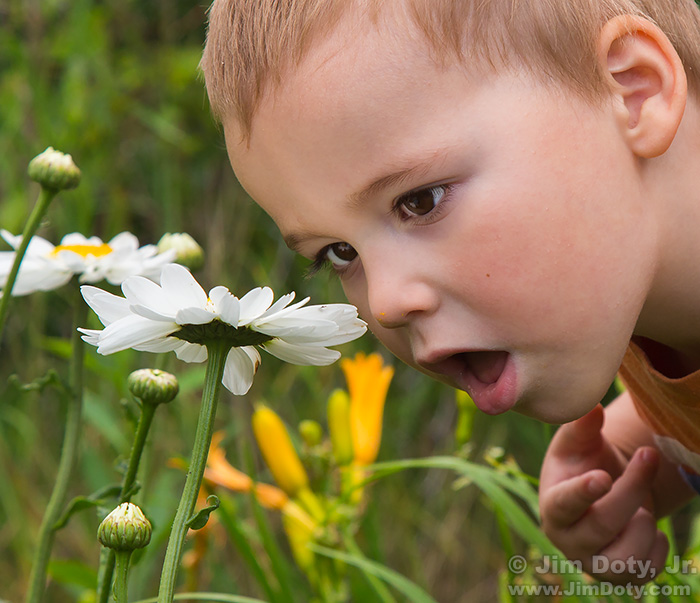
POTD: “A Moment of Discovery”
When you are photographing very active children around 2 1/2 years of age, it is often best to just follow them around and let them do their thing, rather than try to “pose” them. I followed my grandson around my backyard for almost an hour, taking pictures and hoping to get just the right image. To get the best point of view I needed to be on my knees. Spending that much time on your knees is hard on the knees, but what else can you do? When you photograph children you need to be down on their level.
How To Photograph Fireworks
You can point your camera at the sky in auto exposure and autofocus modes and fire away whenever you see a burst of fireworks, but for the best quality photos, it helps to know a few tricks of the trade. It’s easy when you know what to do.
The Nine Minute Photo Shoot
You can do a lot in just a few minutes, especially if you and your subject have worked together before.
A Photography How To: “Jewel Box Lighting” at the Franklin Park Conservatory
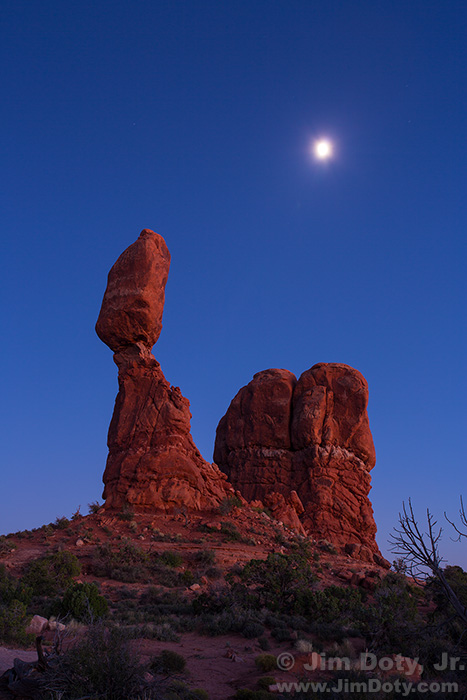
Jewel Box Lighting is the art of combining lights, lighted buildings, or lighted objects with a deep blue evening sky. It is a great way to do photography and the exhibit this week at the Franklin Park Observatory is a wonderful opportunity to practice this technique and come away with some unique and memorable images.
Creating a Portrait Using Window Blind Shadows – Part 2
There are a lot of creative options when creating portraits using sunlight streaming through window blinds.
How to Create a Portrait Using Window Blind Shadows – Part 1
One of the things I like about winter is the sunlight streaming through my studio windows at a low enough angle to create portraits using window blind shadows. In the summer the sun is too high for me to do this and get the angles I want.
Metering People in the Snow
The snow in a winter scene will often fool a camera meter into underexposing a photo, so here are the steps to take to get the right exposure. I throw in a few portrait suggestions too.
A February Night in Rocky Mountain National Park
Rocky Mountain National Park can be beautiful any time of year, including late February when I created this image. It’s not too late to catch the splendor of a RMNP winter, and February is a good month to go.