This page no longer exists at the Chicago Tribune web site. The complete text of the article follows.
It’s been five years. We all knew Leonard Nimoy as an actor, but in the art world he was also known as an accomplished photographer. He will be missed.
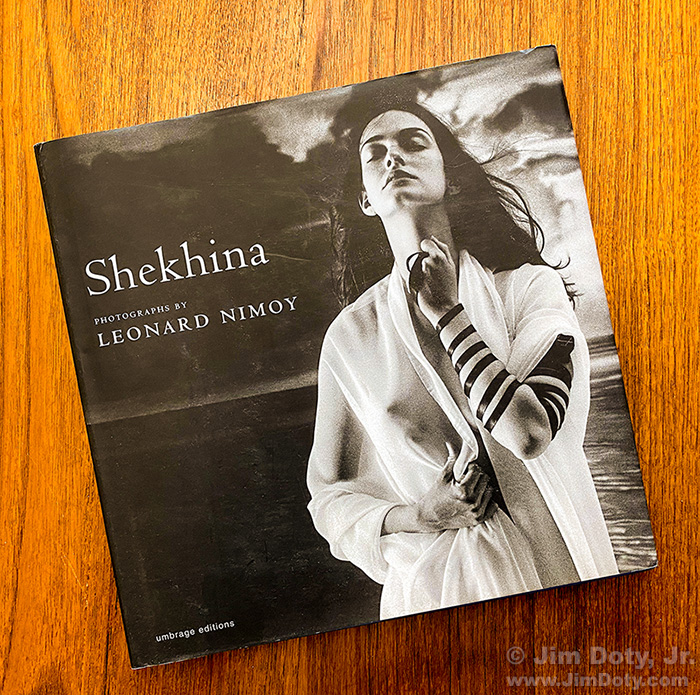
His best known photography exhibition, “Shekhina”, has been highly praised (links below). The exhibit has also been controversial due to the nude imagery so be advised before you read further down the page.

Hans (left) and Sophie Scholl with Cristoph Probst (right), leaders of “The White Rose” resistance movement. Munich Germany, July 1942.
77 years ago, February 22, 1943, Hans Scholl, his sister Sophie, and their friend Cristoph Probst were executed by the Nazis.

Ansel Adams in front of “Monolith: The Face of Half Dome, 1927”. Photographed in his home Dec. 2, 1980.
Ansel Adams was born February 20, 1902. He is “the” icon of American landscape photography. Trained as a concert pianist, his love of photography and time spent in Yosemite National Park led him to a career change.
It takes time and effort to improve your photographic skills. Ask any first rate working professional. But there can be people and events that happen along the way that become the catalyst to becoming a better photographer. Several people and events changed my life as a photographer.

Some time yesterday, February 10, my web site at JimDoty.com rolled past 7 million page visits. That is small potatoes compared to hugely popular sites, but for me that is a big milestone.
Thanks to Kim (on the left), I am a published book author. And therein lies a tale.
As a surprise gift, my thoughtful wife signed me up for a black and white printing class taught by Jim Riegel at the Kalamazoo Institute of Arts (KIA). It took me back a bit because I was a color slide photographer at the time and had never used black and white film, but I went.
When I met Mike Baroli I was a happy snapshooter. He gets much of the credit for turning me into a photographer.
It was my happy privilege to do winter portraits of Beth Presler who is a superb violinist. This article has suggestions for photographing any musician on a cold, snowy winter day.

One of the ways to answer that question is to look at hard drive failure rates from a company that uses over 100,000 hard drives.
When I am traveling with my highly trained and high paid photographic assistant it is his job to remove trash barrels when they are in the way, cut down trees that spoil my view, run out into the meadow and scare off the cow elk that are in front of the bull elk I want to photograph, rip boards off of old barns that don’t look quite distressed enough, pull on the whiskers of a sleeping cougar to wake it up, and cut down utility lines that are obstructing a clear view of my subject. But he wasn’t with me on this trip due to sitting in jail over a minor incident in Yosemite. So I had a challenge on my hands that I had to solve myself.
I am kidding, of course. The prior paragraph was inspired by really crazy things a few photographers do but shouldn’t be doing.
A simple change of background can turn a disappointing wildlife photo into a great one. Professional wildlife photographers think about backgrounds all the time and do everything they can to improve the background. Less experienced wildlife photographers are so excited to find an interesting creature that they give the background precious little thought.
What is a Snowy Owl expedition really like? This article is your chance to find out. Join me for a two day photo safari! I give you tips and photo suggestions along the way, and you get to see how I prepare, plan, and adapt on a photo trip. I tell you what went right and what went wrong so this is also about what to do when things don’t go according to plan.
Winter is your opportunity to photograph Snowy Owls. When it is cold enough and there is enough snow cover, snowy owls move down into the northern U.S. The colder it is the farther south they move. If conditions are right, don’t delay. If the winter turns warmer the snowy owls will head back north.
If there are cold enough temperatures and plenty of snow cover on the ground, the northern United States has a winter invasion of Snowy Owls. These are magnificent creatures and well worth your photographic time and attention. This series is filled with tips on how to find and photograph snowy owls.

Some of the winter travel items I carry in the trunk of my car. This is the “kitchen” and “furnace”.
I grew up in Colorado where strange weather can strand you in any month of the year. Even though it is rare, I’ve seen blizzards in the Colorado high country in July. So I learned to carry some safety essentials when doing winter photography in remote locations. You never know when you might be stranded for several hours, a whole day, or longer, until the blizzard abates and someone can come find you. This is what I carry in my car when I hit the road in the winter and pretty much any time I am going to be in the High Rockies. I include a few winter travel tips, too.
It is difficult enough to create a beautiful nude image under normal circumstances, much less in the cold and snow. You need to bring some significant skills and experience to the task. So does your model.
You would think a windchill of 4° Fahrenheit (-16°C) would be too cold for a photo shoot, but not with some models. We booked this January shoot weeks in advance so we knew it would be cold, but we had no idea how cold until the day arrived. Here’s the story behind this image and how to work with a model when it is so cold.
The Sunny f16 rule is really useful on bright sunny days in the spring, summer, and fall, but you can’t rely on it for accurate exposures on bright, snowy winter days. It will often lead you astray and you will have seriously blown out highlights. There are much more accurate ways to meter in the winter.
The “snow exposure latitude” for every camera is different. You won’t find it in your camera’s manual but it is easy to determine with a do-it-yourself test. Why does it matter? If you don’t know the snow exposure latitude for your camera and how to apply it to your images, the color and quality of your winter photos will suffer.

With a nice coating of ice on trees and bushes, my plan was to go out in the country and photograph late afternoon sunlight glinting off the ice. Instead, I ended up with this image of a Short-eared Owl.
Today is Martin Luther King, Jr. Day in the United States. This is a 5 minute highlight from the end of the speech. A video of the whole 17 minute speech is here.
Cold and snow can cause a lot of damage to your camera gear. Something as simple as shooting outside and taking your camera inside your house or car can cause hidden damage that won’t show up until days or weeks later. The simple steps in this article could save you hundreds of dollars in repair bills.

Twilight, Rocky Mountain National Park. Sirius, Canis Major, Orion, Taurus, the Hyades star cluster, and the Pleiades star cluster are all visible in the fading light. Click for a larger version.
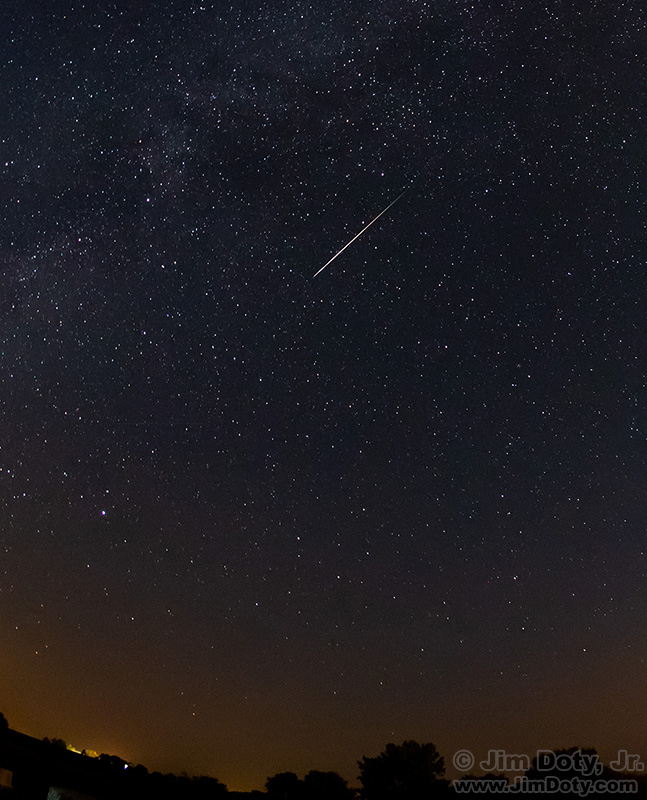
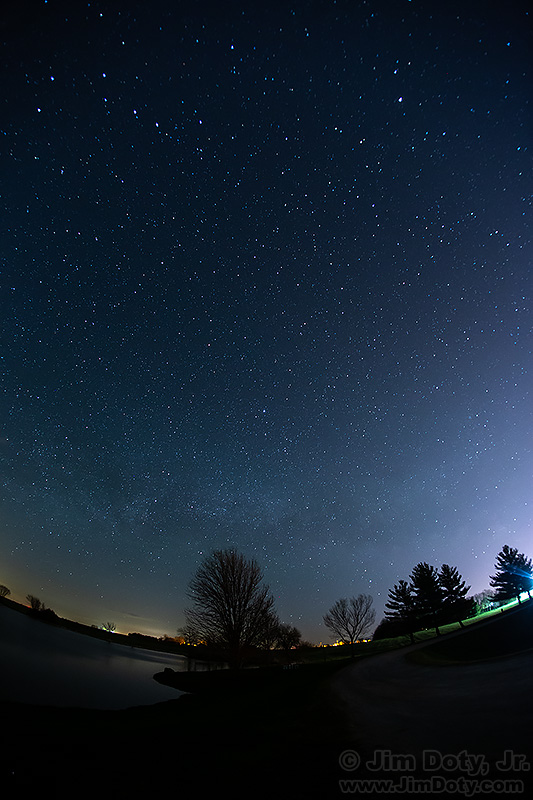
You can photograph the night sky year around, but winter brings an added bonus: SNOW! When you don’t have the benefit of moonlight, most of the year land forms a dark to black silhouetted skyline against the night sky. In winter you have the possibility of including the highly reflective snow. You can see both in this photo. Any place not covered with snow is very dark to black. Having reflective snow is why winter is the favorite time of year for a lot of photographers to go out and photograph the night sky.
Just like metering daytime winter scenes, the key to metering evening winter scenes is knowing what to meter and deciding how much exposure compensation to use.
Most wildlife are medium to dark in tone, making them a challenge to meter properly in the bright, white tones of winter. If you trust one of your camera’s automatic exposure modes, the odds are good you won’t get the best exposure. If you switch over to manual exposure and make the right decisions, you can get great exposures and better quality photos (more about that later).
Metering dark toned wildlife in the snow is a major exposure challenge. It is usually best to avoid large “burned out” areas (washed out, featureless white) in a nature or landscape photograph, but with properly exposed snow, the wildlife can be so dark as to lose all texture. On other hand, metering for the wildlife can burn out the snow. So what do you do?
Are you ready to take your nature and wildlife photography to the next level? Are you ready to learn the professional secrets that make the difference between good images and great images? Are you ready for a high intensity, action packed, total immersion photography weekend? Come to Park of the Pines on beautiful Lake Charlevoix June 12-15, 2020.
The white snow in a winter scene can and often does fool a camera meter into underexposing a portrait, so here are the steps to take to get the right exposure. I throw in a few portrait suggestions too.