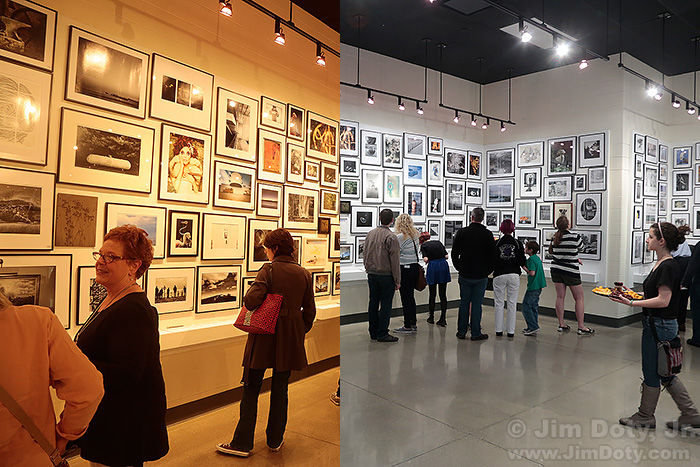
Knowing why, when, and how to set a custom white balance will save you time and make a big difference in the quality of your images. That is what this series is all about.
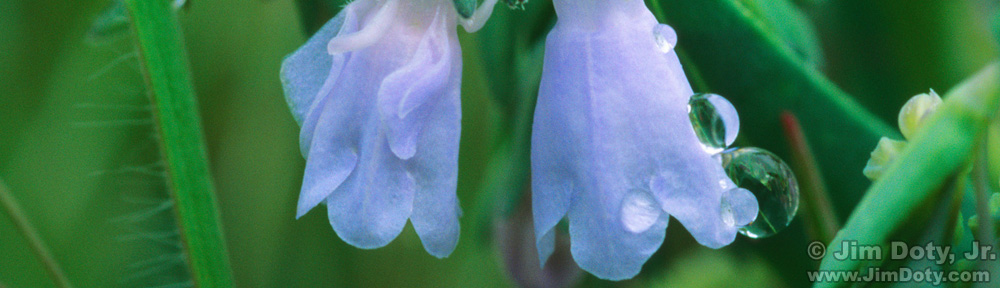
Knowing why, when, and how to set a custom white balance will save you time and make a big difference in the quality of your images. That is what this series is all about.
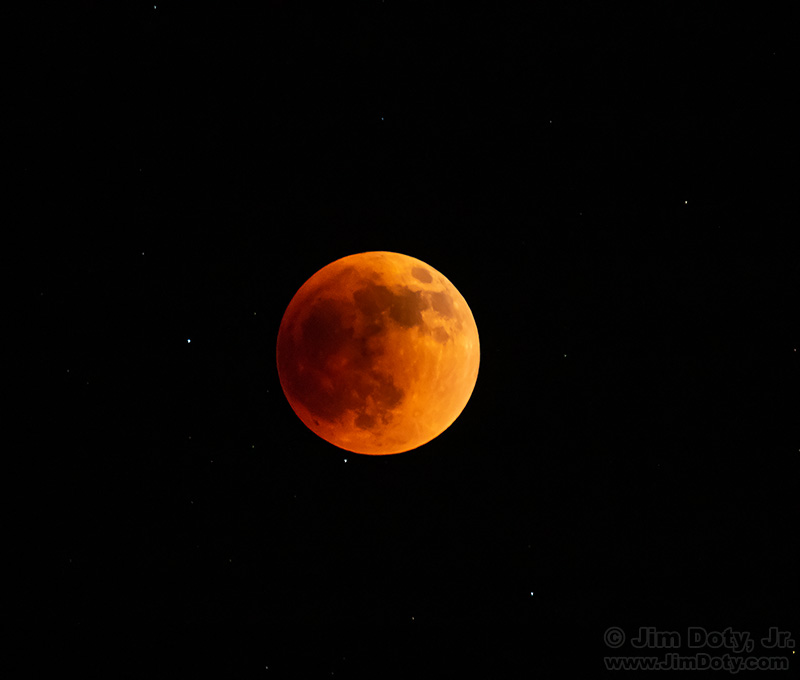
It was a beautiful night for photographing the lunar eclipse. This was early in the totality phase at 10:37 pm CDT. I picked this image as my favorite because I like the star background and especially the three stars in a row right below the moon. Not long after I created this image the moon slid in front of the middle star in this trio and, at least to my eye, it was not as pleasing a composition.
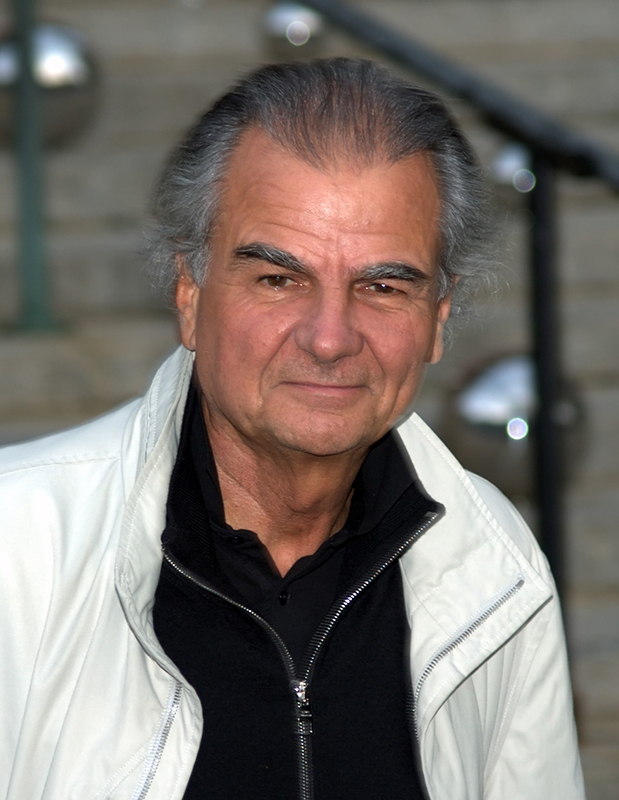
It is with sadness that I note the passing of Patrick Demarchelier. He was one of the best fashion and portrait photographers. He worked with the best of the best fashion models, as well as celebrities. Princess Diana called him “a dream” to work with. When she learned of his death, Cindy Crawford posted an image Demarchelier created of her in India (see below) and wrote: “Thanks for so many great memories and beautiful, timeless images.”
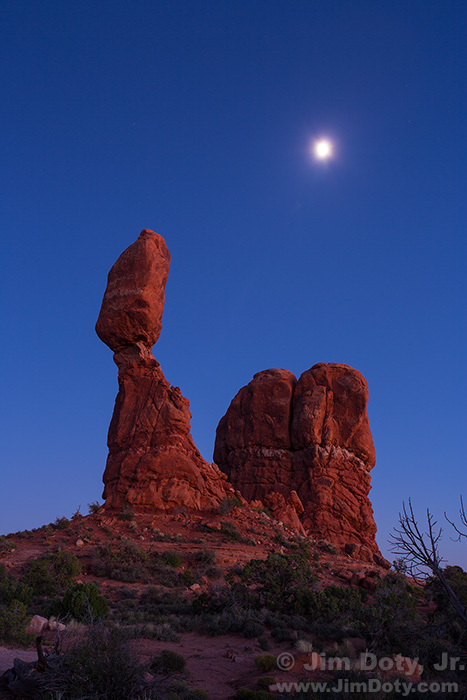
Moon Over Balanced Rock, Arches National Park, Utah.
Are you planning a spring photography trip to one or more U.S. national parks? Where should you go? Which parks will provide the best photographic opportunities? Which parks are at their best in the spring?
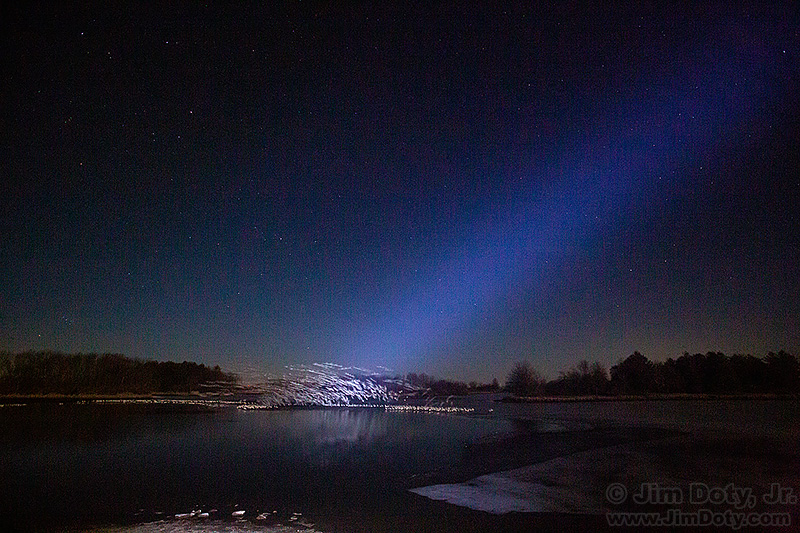
Shorty after midnight I drove out to a nearby lake to photograph stars over the lake. I chose going out after midnight because the moon would be high enough in the sky to light up the remaining ice on the lake.
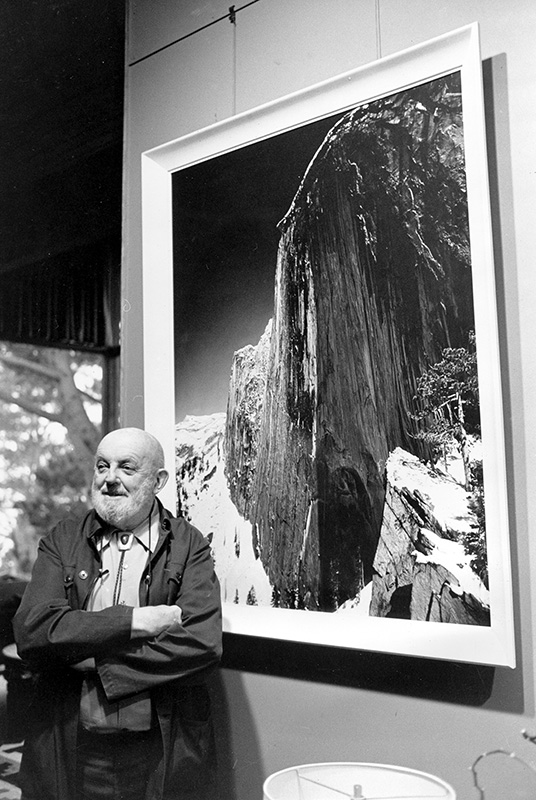
Ansel Adams in front of “Monolith: The Face of Half Dome, 1927”. Photographed in his home Dec. 2, 1980.
Ansel Adams was born 120 years ago today, February 20, 1902. He is “the” icon of American landscape photography. Trained as a concert pianist, his love of photography and time spent in Yosemite National Park led him to a career change.
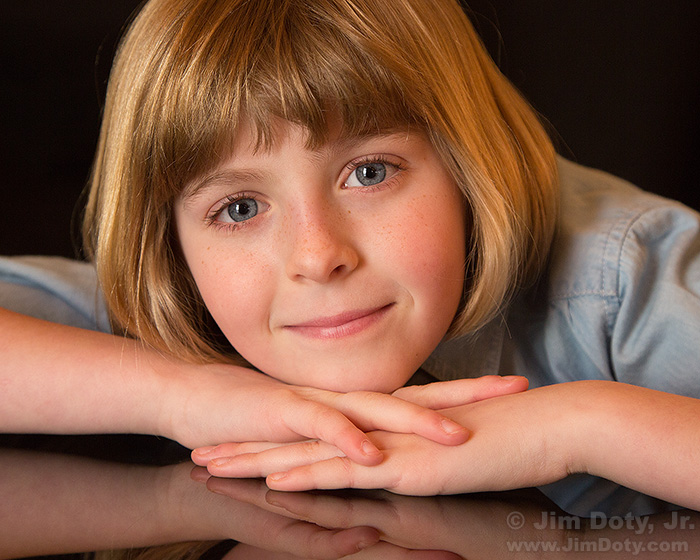
Why set a custom white balance? The answer is simple. To get the best, most accurate colors your camera is capable of producing. It is especially important when photographing people if you want beautiful, accurate skin tones. In this article I give you some shooting tips, answer common questions, and I cover the situations when it is preferable not do a custom white balance.
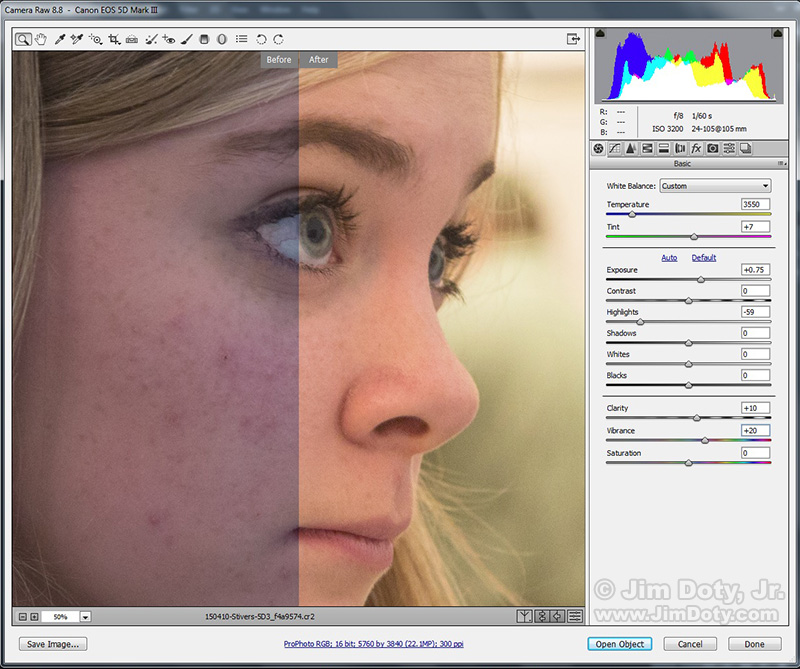
Before and after changes with ACR. Click to see a larger version.
Despite all the things you do to get the right white balance (see my last article on setting a custom white balance), there are some situations where a color cast is pretty much unavoidable. When that happens, ACR comes to your rescue.
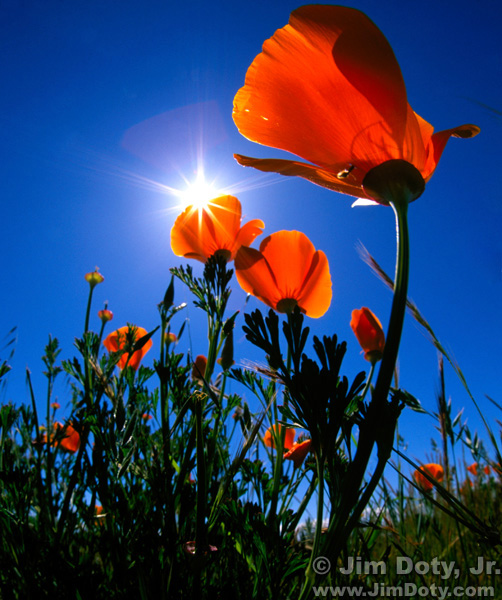
California Golden Poppies, Fremont California. April 3, 2001.
Quite by chance I spotted some California Golden Poppies on the campus of Ohlone College in Fremont California. This was an unexpected treasure. I stopped in a nearby parking lot, put a 15mm semi-fisheye lens on my camera, put my camera almost on the ground and started shooting up at the flowers with the sun in the background. The side of my head was in the dirt as I looked up through the camera’s viewfinder to get things lined up. Tim Fitzharris gets some credit for inspiring images like this.

Sometimes it is exactly what photographers need to do to get the shot.
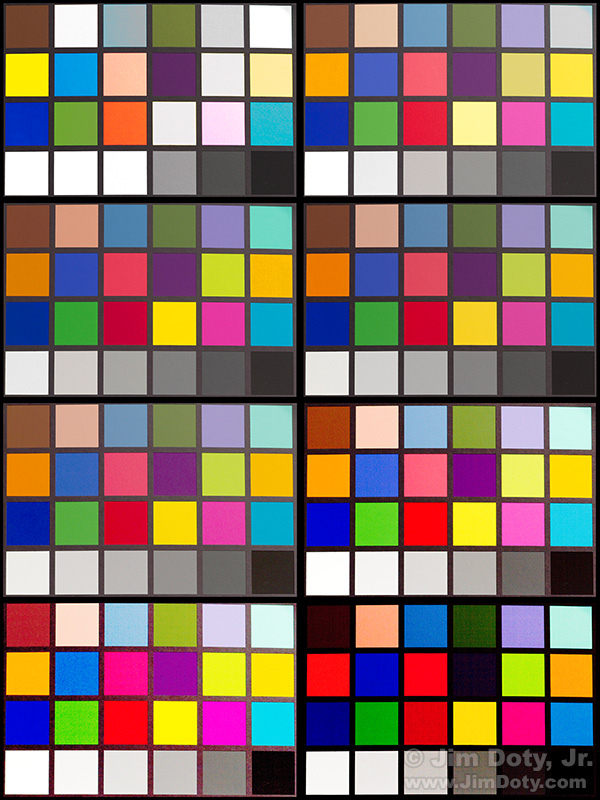
Color Exposure Latitude Test for a Canon 7D.
Testing your camera’s color exposure latitude is a key to getting good color in your digital photographs. This is a sequel to The Best Colors Come From the Best Exposures. I would suggest you read that article first.
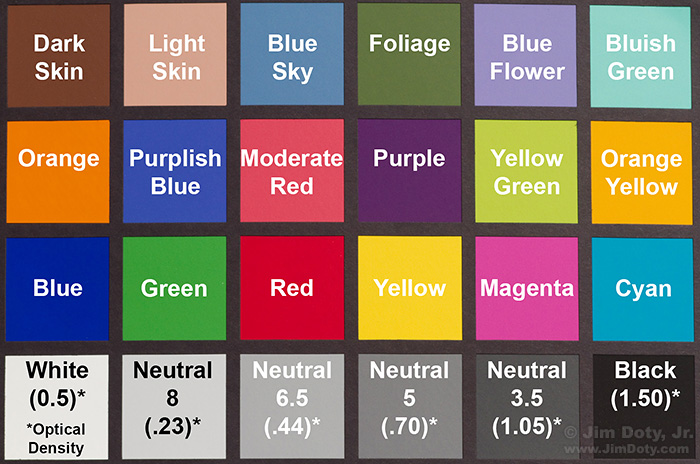
Gretag-Macbeth ColorChecker
This has to be one of the best kept photographic secrets: The more accurate your exposures are, the better your colors will be. Why? If your exposures are off, the colors in your photograph will shift in different directions. You can correct the exposure in post processing, but you can’t correct the color shifts. Since the colors shift in different directions, if you try to correct one color (as you will see below), the other colors will get even worse.
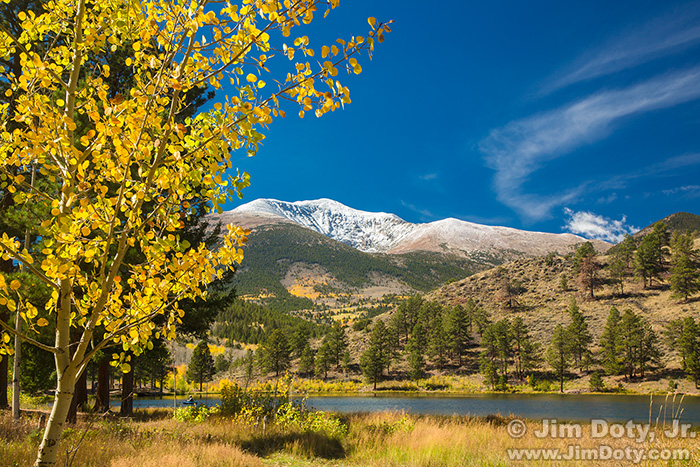
O’Haver Lake, Mt. Ouray, Colorado.
You have heard it said a lot, and maybe said it yourself: “This picture doesn’t do the scene justice.” That is often true and for several reasons. One is that digital cameras do not capture reality. No matter how fancy or expensive, digital cameras simply do not capture what your eyes see. That is also true with film cameras. All color photographic films have different color characteristics. Some have better reds, others have better greens or blues. Some are more saturated and others less saturated. But none of them are totally color realistic. So why don’t digital cameras give you realistic images and what can you do about it?
Originally posted December 16, 2015. Revised and re-posted January 18, 2022.
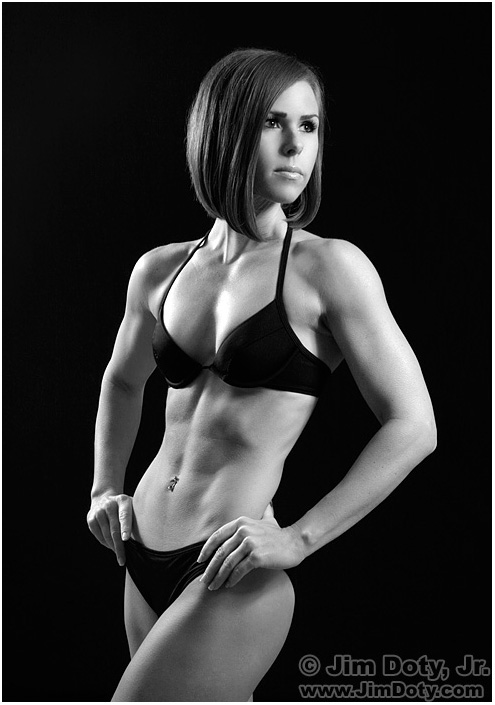
Sarah, Professional Fitness Trainer
Your camera is in love with middle gray. The quicker you learn how to deal with this infatuation, the better your photos will look, including all of your color photos.
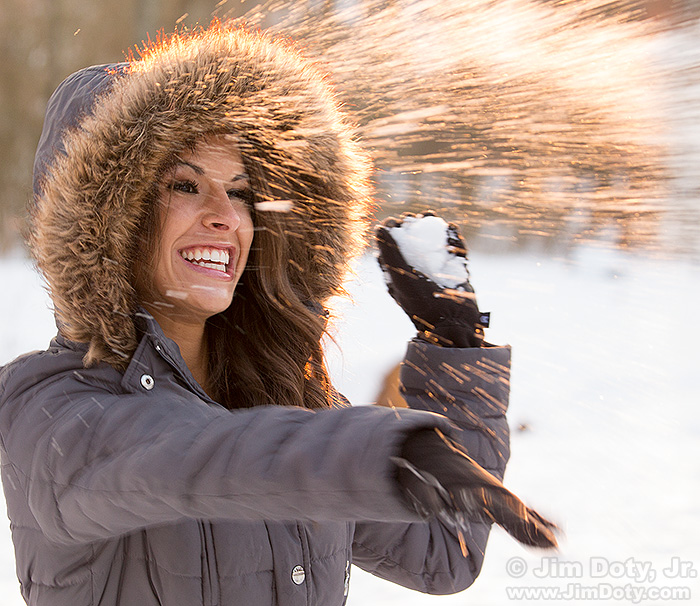
It’s winter! Go out and play in the snow. Or photograph someone else playing in the snow.
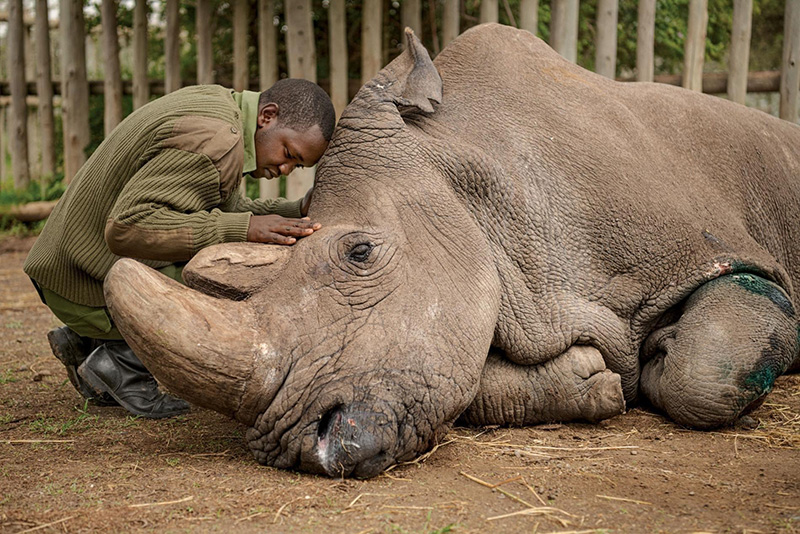
Joseph Wachira, a keeper at the Ol Pejeta Conservancy in Kenya, says goodbye to Sudan before he died in 2018. Sudan was the last male Northern White Rhino in existence. He became, for a while, one of the most beloved animals on the planet. Weighing 2,000 pounds, he was as docile as a Golden Retriever. People came from all over the word to see him, to touch him. Then they would return to their cars and cry. He is survived by Najin and Fatu, his daughter and granddaughter, the last female Northern White Rhinos.
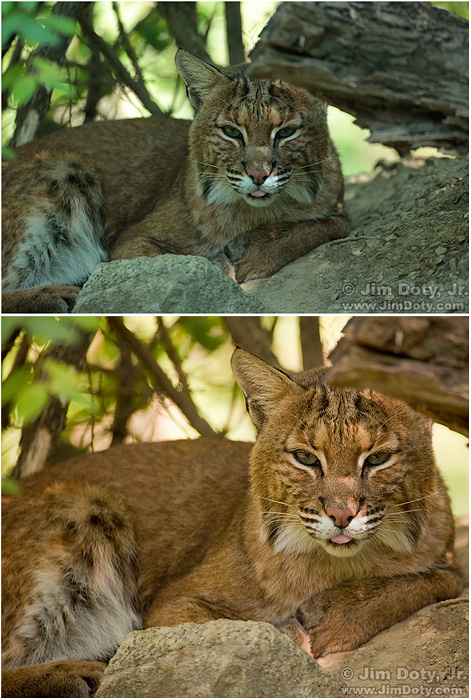
Bobcat, Before and After a Tonality Adjustment
With the right software, you can make quick improvements in your images. There are some lighting situations where it is almost impossible, and certainly not practical, to get the correct white balance setting in the camera. This bobcat photo is an example. The best, fastest, and simplest solution is to get the right while balance setting after the fact using software like Adobe Camera Raw (ACR). A few minutes work with ACR can make a big difference in the look of your photos.
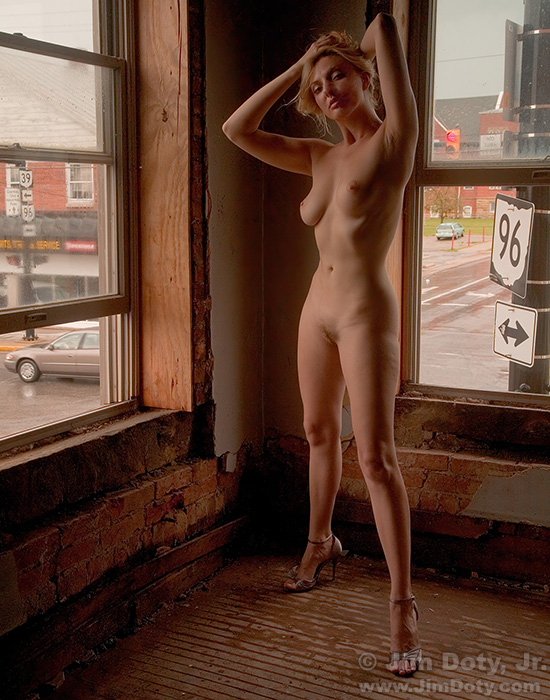
It started with an invitation to photograph a first class model in a gutted hotel. How could I say no? Most of the images from our photo shoot came out great, but the photo above, at least in the original version, was a challenge for my digital camera. The contrast range was too much for the camera to handle (this was back in 2008) so the well lit part of Tiana’s body looked just fine but the darker side was really noisy. Digital cameras were a lot noisier 14 years ago.
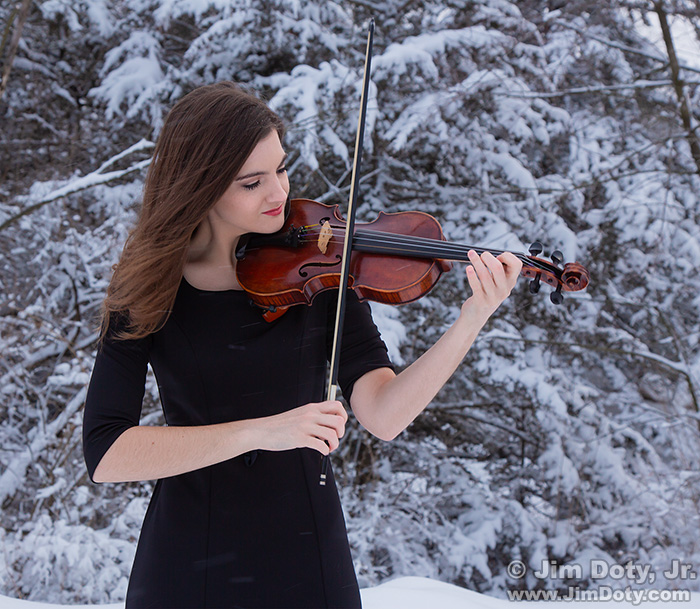
It was my happy privilege to do winter portraits of Beth Presler who is a superb violinist. This article has suggestions for photographing any musician on a cold, snowy winter day.
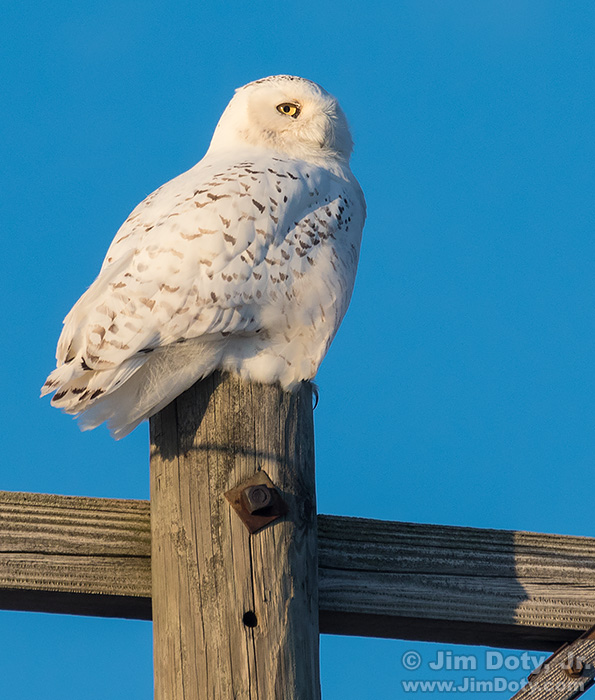
Snowy Owl looking for prey.
If there are cold enough temperatures and plenty of snow cover on the ground, the northern United States has a winter invasion of Snowy Owls. These are magnificent creatures and well worth your photographic time and attention. This series is filled with tips on how to find and photograph snowy owls.
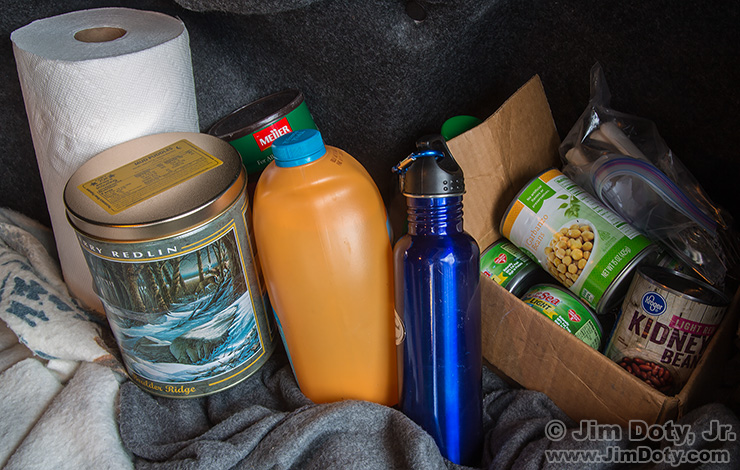
Some of the winter travel items I carry in the trunk of my car. This is the “kitchen” and “furnace”.
I grew up in Colorado where strange weather can strand you in any month of the year. Even though it is rare, I’ve seen blizzards in the Colorado high country in July. So I learned to carry some safety essentials when doing winter photography in remote locations. You never know when you might be stranded for several hours, a whole day, or longer, until the blizzard abates and someone can come find you. This is what I carry in my car when I hit the road in the winter and pretty much any time I am going to be in the High Rockies. I include a few winter travel tips, too.
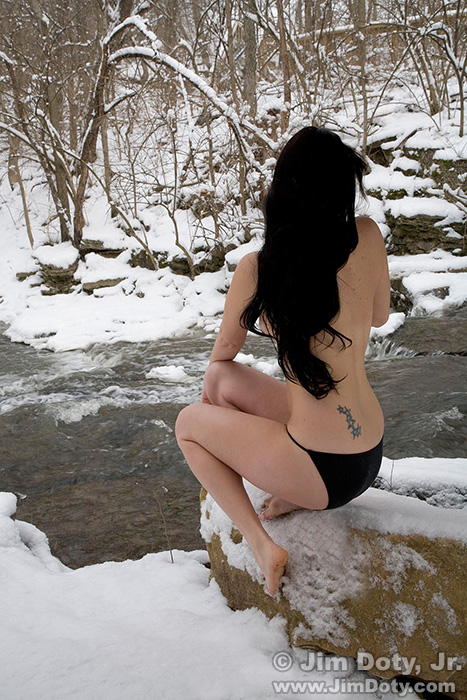
Lyn Marie, Ohio. Windchill 8°F.
It is difficult enough to create a beautiful nude image under normal circumstances, much less in the cold and snow. You need to bring some significant skills and experience to the task. So does your model.
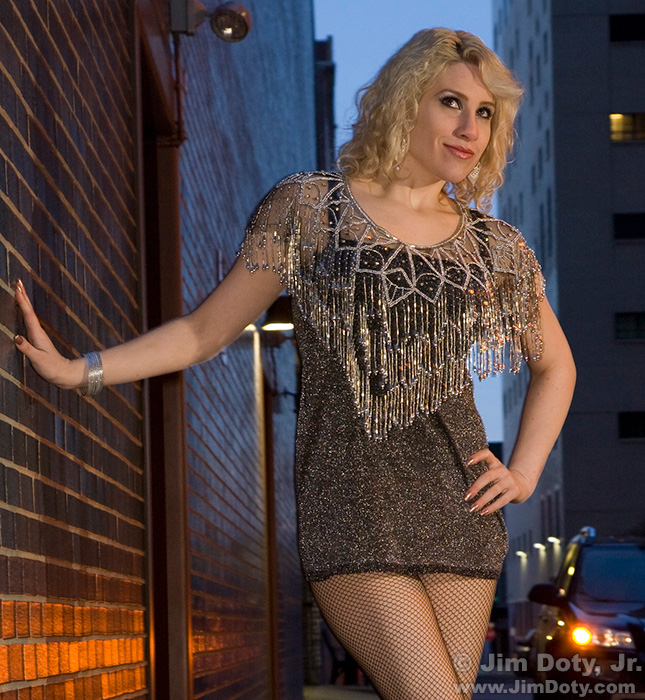
Selina, Downtown Columbus Ohio. Windchill 4°.
You would think a windchill of 4° Fahrenheit (-16°C) would be too cold for a photo shoot, but not with some models. We booked this January shoot weeks in advance so we knew it would be cold, but we had no idea how cold until the day arrived. Here’s the story behind this image and how to work with a model (or anybody else) when it is so cold.
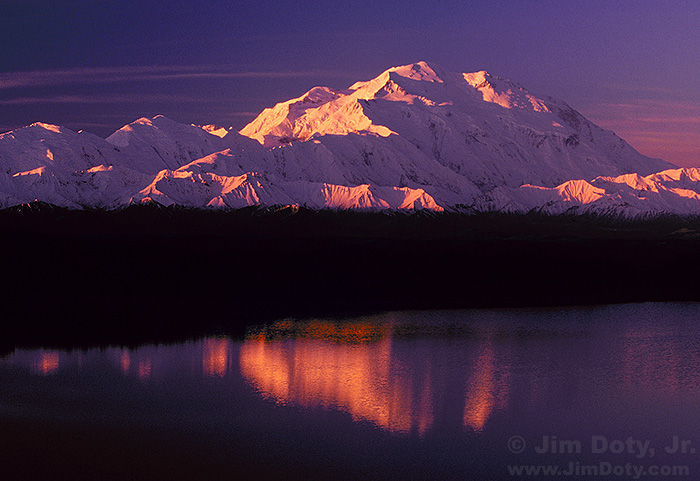
Denali Sunrise from Reflection Pond
The Sunny f16 rule is really useful on bright sunny days in the spring, summer, and fall, but you can’t rely on it for accurate exposures on bright, snowy winter days. It will often lead you astray and you will have seriously blown out highlights. There are much more accurate ways to meter in the winter.
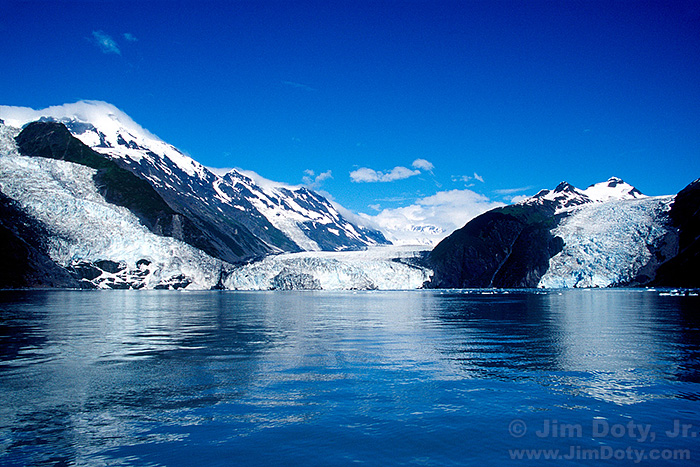
Cascade, Barry, and Coxe Glaciers, Prince William Sound, Alaska
The “snow exposure latitude” for every camera is different. You won’t find it in your camera’s manual but it is easy to determine with a do-it-yourself test. Why does it matter? If you don’t know the snow exposure latitude for your camera and how to apply it to your images, the color and quality of your winter photos will suffer.
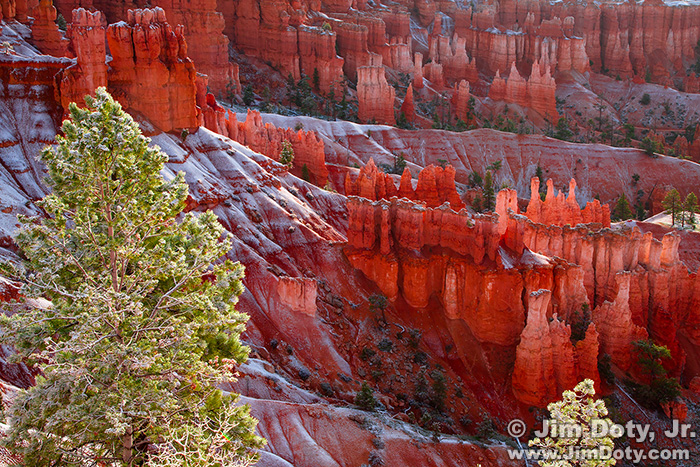
Bryce Canyon After An Overnight Snowstorm
Cold and snow can cause a lot of damage to your camera gear. Something as simple as shooting outside and taking your camera inside your house or car can cause hidden damage that won’t show up until days or weeks later. The simple steps in this article could save you hundreds of dollars in repair bills.
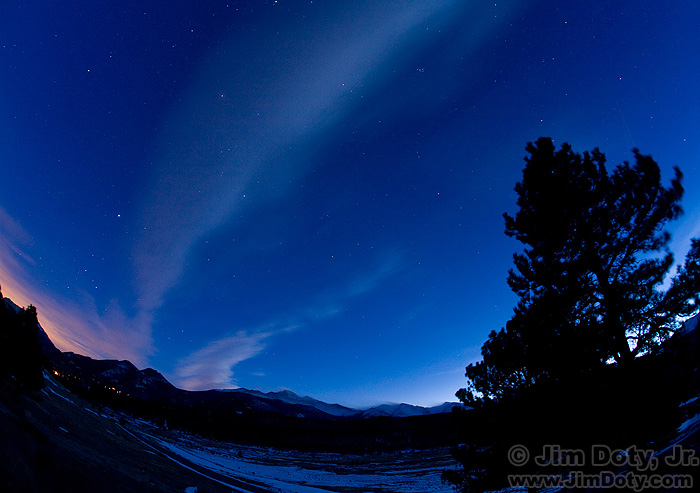
Twilight, Rocky Mountain National Park. Sirius, Canis Major, Orion, Taurus, the Hyades star cluster, and the Pleiades star cluster are all visible in the fading light. Click for a larger version.
You can photograph the night sky year around, but winter brings an added bonus: SNOW! When you don’t have the benefit of moonlight, most of the year land forms a dark to black silhouetted skyline against the night sky. In winter you have the possibility of including the highly reflective snow. You can see both in this photo. Any place not covered with snow is very dark to black. Having reflective snow is why winter is the favorite time of year for a lot of photographers to go out and photograph the night sky.
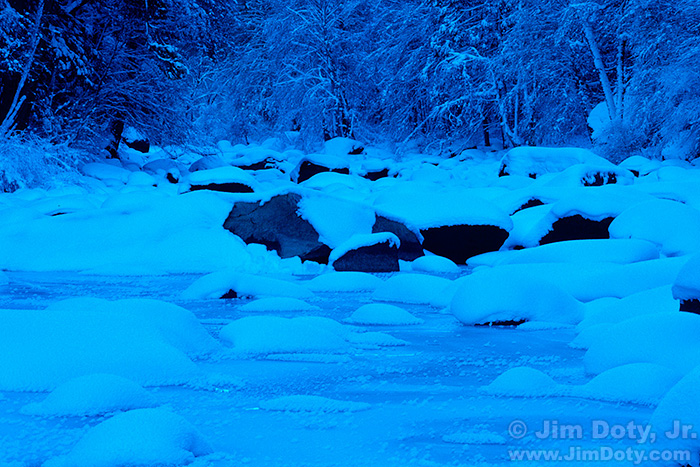
Snow Hummocks, Merced River
Just like metering daytime winter scenes, the key to metering evening winter scenes is knowing what to meter and deciding how much exposure compensation to use.
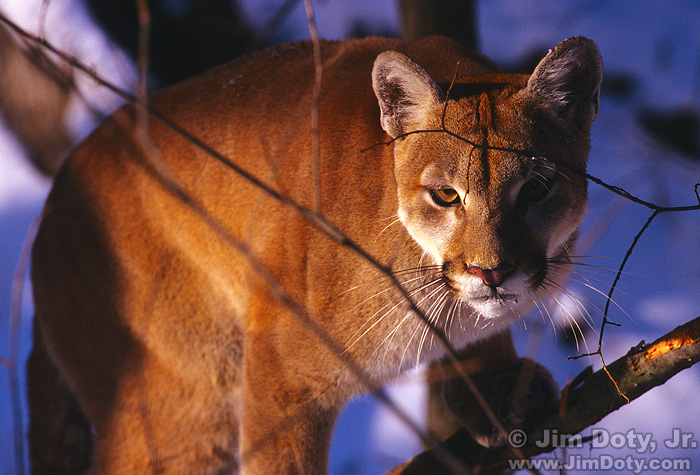
Cougar
Most wildlife are medium to dark in tone, making them a challenge to meter properly in the bright, white tones of winter. If you trust one of your camera’s automatic exposure modes, the odds are good you won’t get the best exposure. If you switch over to manual exposure and make the right decisions, you can get great exposures and better quality photos (more about that later).
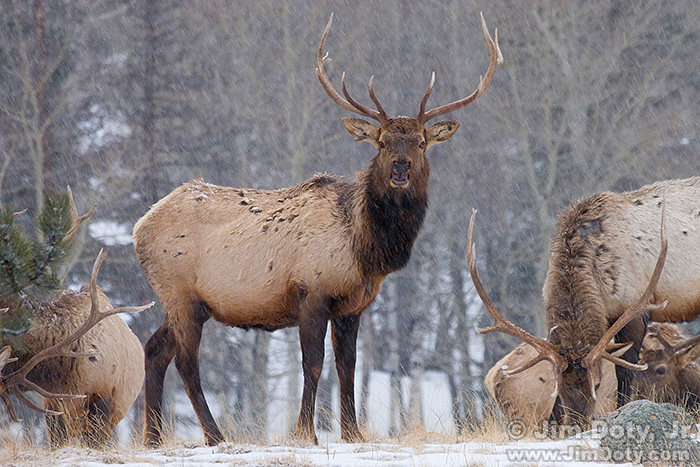
Elk in the Snow, Horseshoe Park, Rocky Mountain National Park, Colorado
Metering dark toned wildlife in the snow is a major exposure challenge. It is usually best to avoid large “burned out” areas (washed out, featureless white) in a nature or landscape photograph, but with properly exposed snow, the wildlife can be so dark as to lose all texture. On other hand, metering for the wildlife can burn out the snow. So what do you do? And what about the complications of metering white animals?