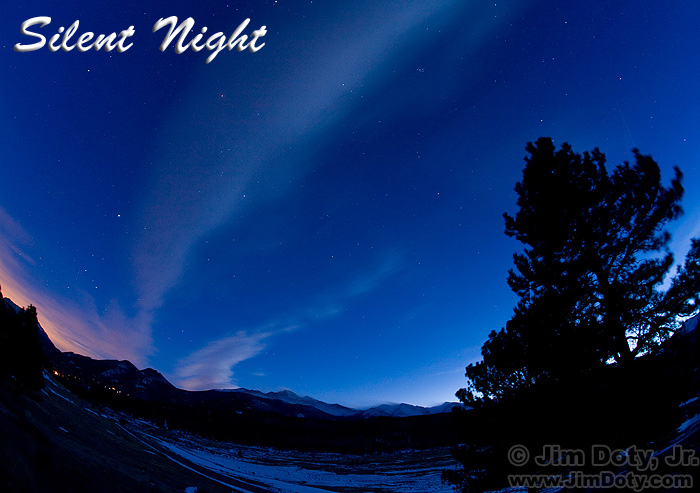
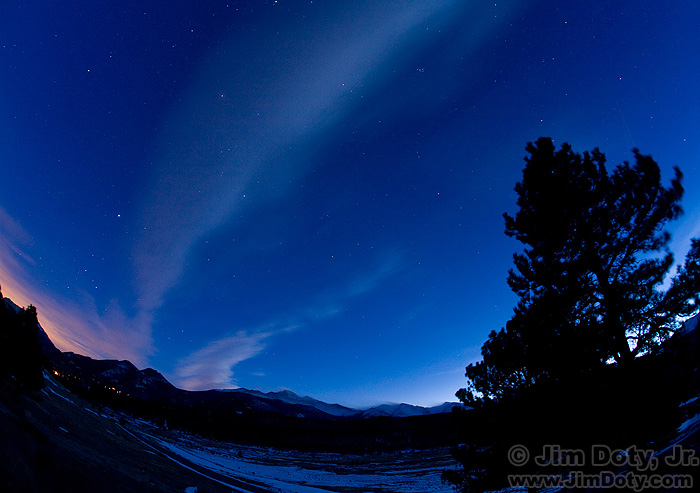
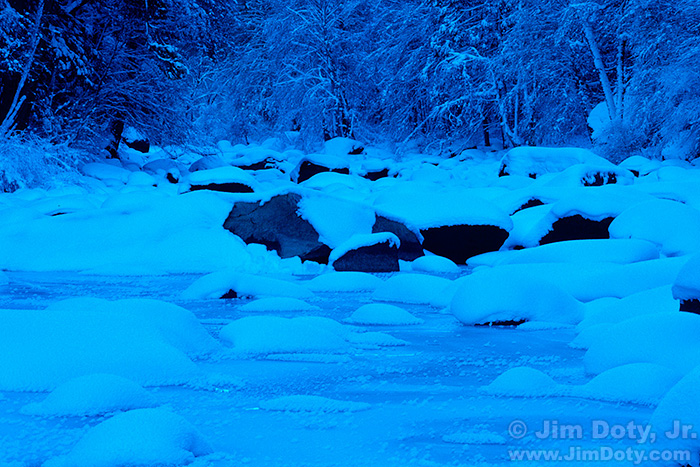
Metering Nighttime Winter Scenes

Twilight, Rocky Mountain National Park.

Twilight, Rocky Mountain National Park. Sirius, Canis Major, Orion, Taurus, the Hyades star cluster, and the Pleiades star cluster are all visible in the fading light. Click for a larger version.

You can photograph the night sky year around, but winter brings an added bonus: SNOW!  When you don’t have the benefit of moonlight, most of the year you get a black, silhouetted skyline. In winter you have the possibility of including the highly reflective snow. For many photographers winter is their favorite time of year to photograph the night sky.
Continue reading

Metering Wildlife in the Snow, Part Two

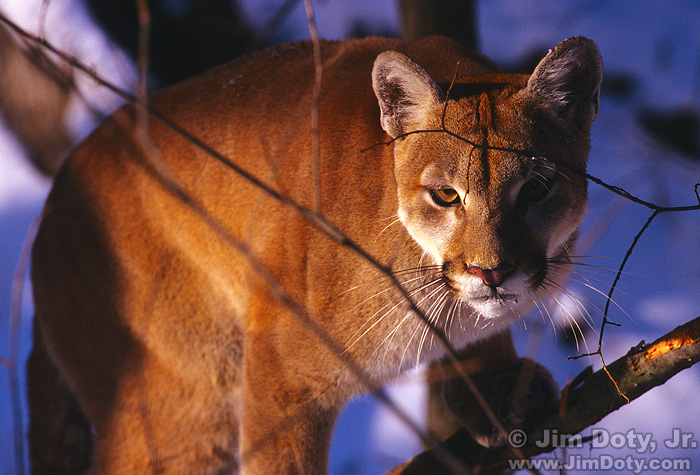
Cougar

Cougar

Most wildlife are medium to dark in tone, making them a challenge to meter properly in the bright, white tones of winter. If you trust your camera’s auto exposure modes, the odds are good you won’t get the best exposure. If you switch over to manual exposure and make the right decisions, you can get great exposures and better quality photos (more about that later).

Continue reading

Metering Wildlife in the Snow, Part One

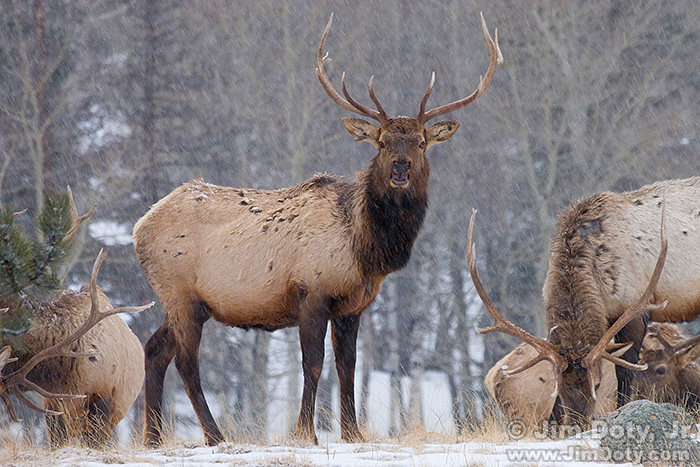
Elk in the Snow, Rocky Mountain National Park

Elk in the Snow, Horseshoe Park, Rocky Mountain National Park, Colorado

Metering dark toned wildlife in the snow is a major exposure challenge. It is usually best to avoid large “burned out” areas (washed out, featureless white) in a nature or landscape photograph, but with properly exposed snow, the wildlife can be so dark as to lose all texture. On other hand, metering for the wildlife can burn out the snow. So what do you do?

Continue reading

Metering Daytime Winter Scenes

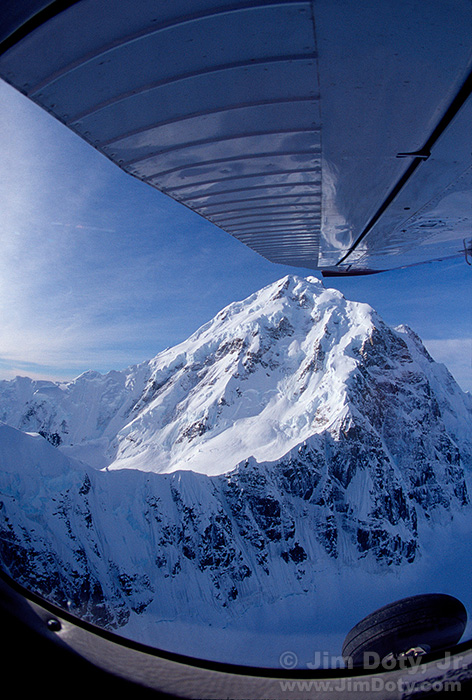
Mount Hunter from a Bush Plane. Denali National Park. Alaska.

Mount Hunter from a Bush Plane. Denali National Park. Alaska.

Metering for scenes with a lot of snow can be tricky since the bright snow fools the camera meter. I see a lot of winter photos with gray snow, which means the camera meter did exactly what it was designed to do and the camera owner didn’t know how to use exposure compensation. The solution is quite simple provided you know what to do.

Continue reading

The Best Colors Come From the Best Exposures

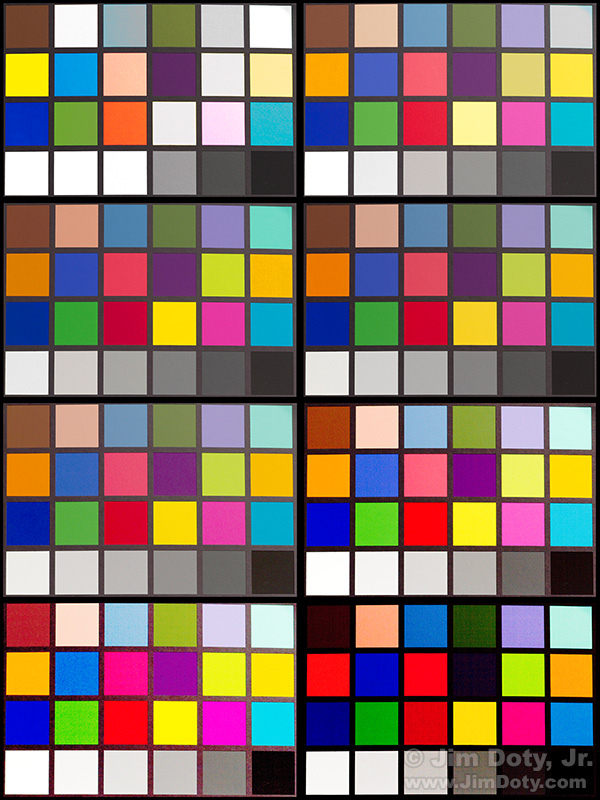
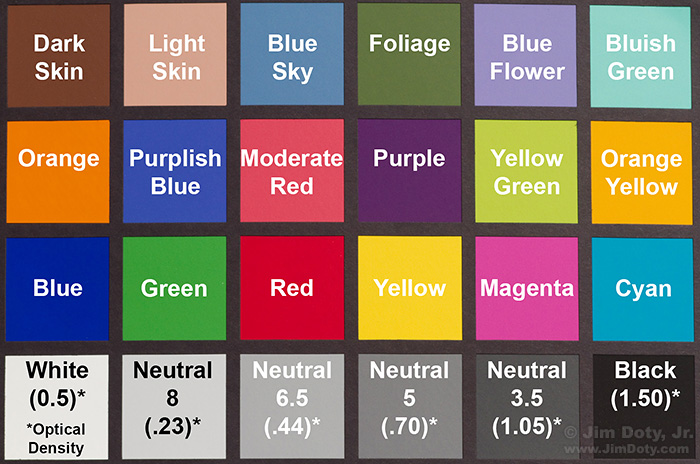
Gretag-Macbeth ColorChecker

Gretag-Macbeth ColorChecker

This has to be one of the best kept photographic secrets: The more accurate your exposures are, the better your colors will be. Why? If your exposures are off, the colors in your photograph will shift in different directions. You can correct the exposure in post processing, but you can’t correct the color shifts. Since the colors shift in different directions, if you try to correct one color (as you will see below), the other colors will get even worse.

Continue reading

Dewitt Jones: Celebrate What’s Right with the World!

CWR Website The Film from Shervin Communications on Vimeo.

Life (and great photography) is about inspiration as much as it is about information. Whatever it is that moves you to do things is just as important as knowing how to do it. If you aren’t inspired, all the information in the world won’t help you very much. But if you are sufficiently inspired, you will move heaven and earth to find the information you need. It is about vision! This 22 minute video is about finding the kind of vision that inspires your life and your photography.

Continue reading

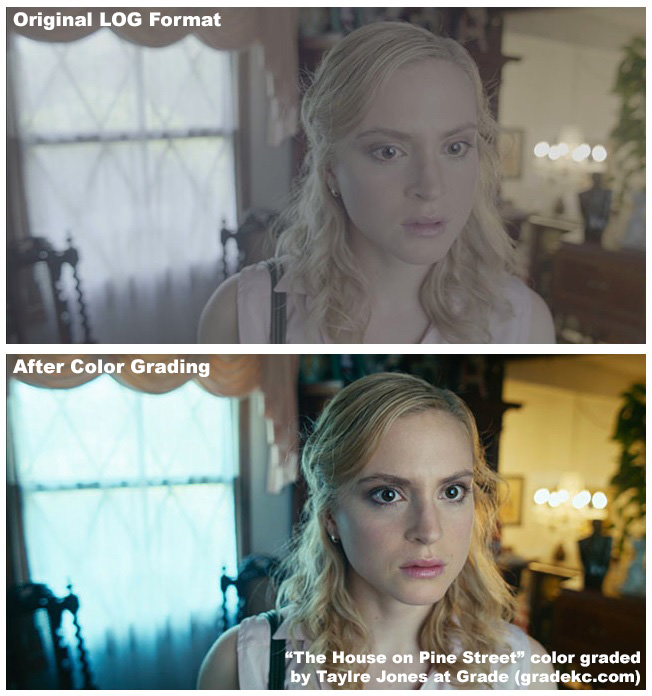
Before and After: Color Grading a Movie (The video is impressive.)

"The House on Pines Street" before and after color grading.

“The House on Pines Street” before and after color grading.

The colors you see in the movie theater are not the original colors that came out of the movie camera. It is rare that we get to see clips from a movie before they have been color graded. This is your chance. The difference is dramatic and impressive, as you will see in the video clips below.

Continue reading

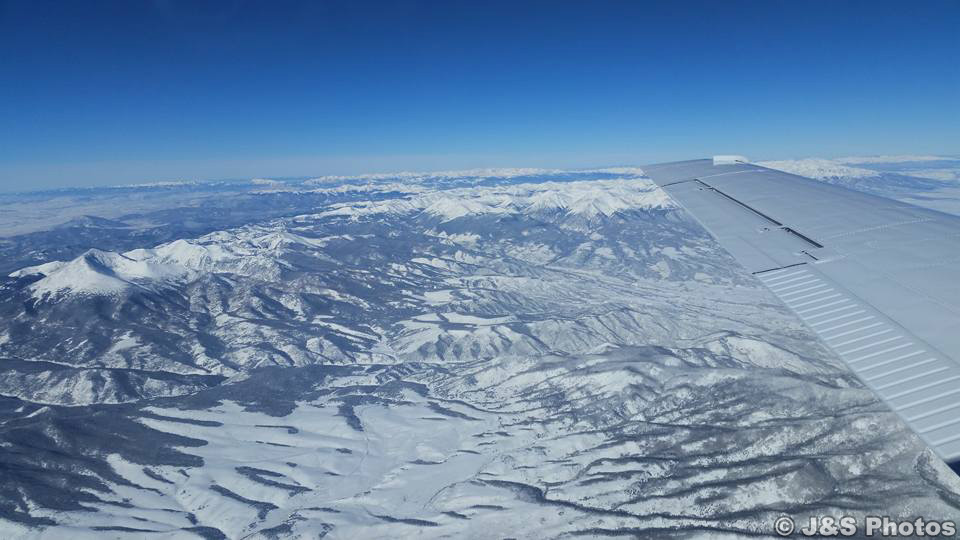
Mt. Ouray from the Air

Mt. Ouray and the southern end of the Sawatch Range from east of Villa Grove, Colorado

Mt. Ouray and the southern end of the Sawatch Range from somewhere east of Villa Grove, Colorado

Recently, two of my friends were flying from southern Colorado to Denver. They snapped this cell phone photo from their airplane and posted it online. I was quite taken with this photo for several reasons. My friends are two remarkable people, I love the Colorado Rockies, and Mt. Ouray (on the left) is special in my life.

Continue reading

“How To” Series: Winter Photography

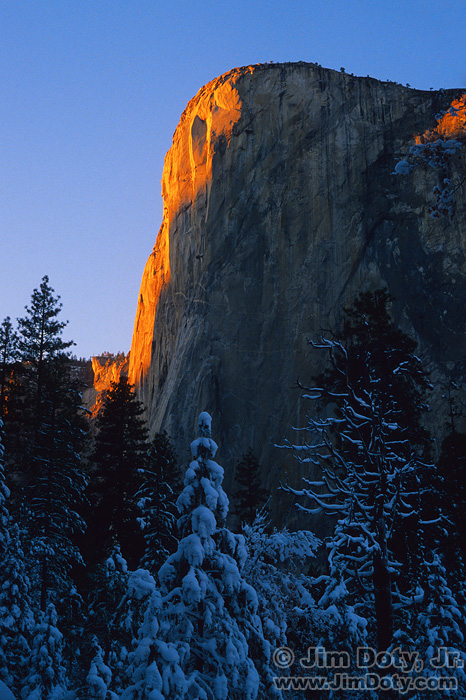
Last Light on El Capitan, Yosemite National Park

Last Light on El Capitan, Yosemite National Park

Update: December 18, 2015. This series was revised and expanded last winter (January through March 2015) and I will update it again beginning in January 2016, but for some of you winter is NOW, so I am re-posting this set of links so you have them now.

Update: January 9, 2016. As of today five of articles have been revised and updated from last year’s versions. I have also written several new articles that are related to this series and included links. Over the next few days I will revise and update the rest of the articles. Stay tuned.

In addition to all of the usual photographic challenges, winter provides some extra complications, especially in terms of metering. So I began my series of articles on winter photography. This year I revised three prior articles and added six new ones. They will help you meet the unique challenges of winter photography. So read the articles, get out there, have fun, and create some stunning images!

Continue reading

Your Camera Does NOT Capture Reality! (And what to do about it.)

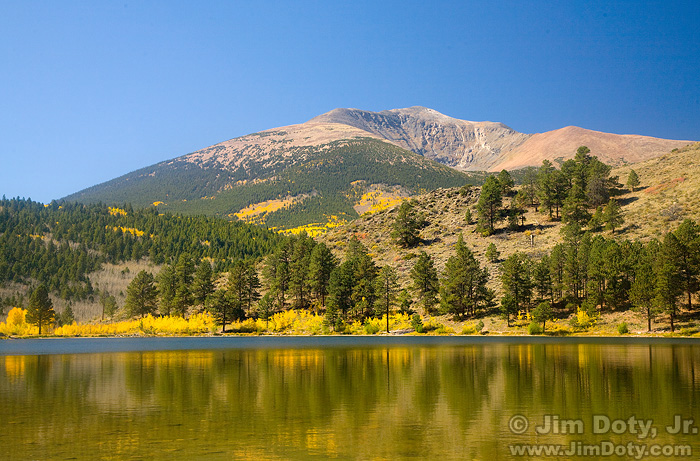
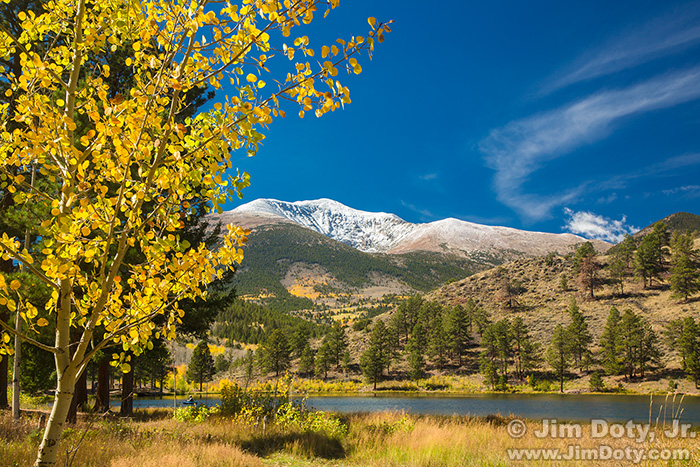
O'Haver Lake, Mt. Ouray, Colorado

O’Haver Lake, Mt. Ouray, Colorado.

You have heard it said a lot, and maybe said it yourself: “This picture doesn’t do it justice.” That is often true and for several reasons. One is that digital cameras do not capture reality. No matter how fancy or inexpensive, digital cameras simply do not capture what your eyes see. That is also true with film cameras. All color photographic films have different color characteristics. Some have better reds, others have better greens or blues. Some are more saturated and others less saturated. But none of them are totally color realistic. Why don’t cameras give you realistic images and what can you do about it?

Note: This article has been updated here.

Continue reading

Kristina in a Stairwell

Kristina

Kristina

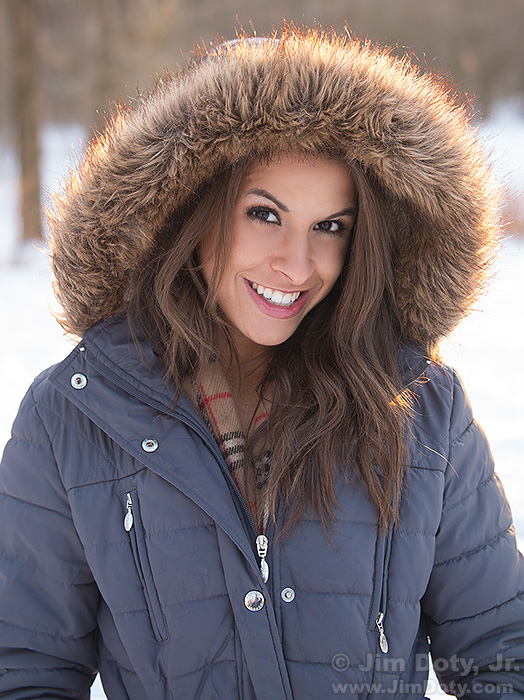
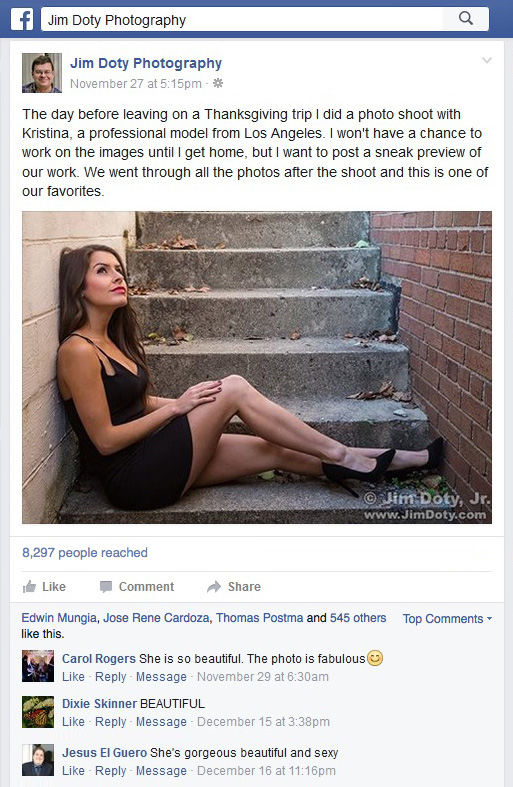
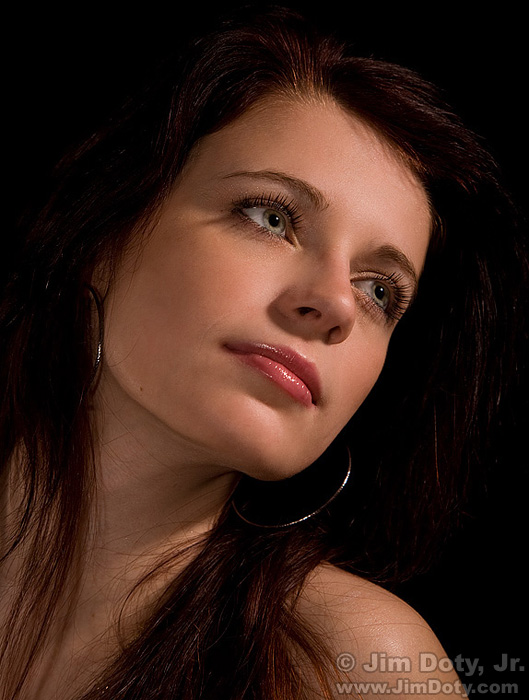
Kristina, a professional model based in L.A., wanted to schedule a photo shoot when she was in Ohio. She arrived right before I left Ohio on a trip, so we had only one day to work together. It was a bright, sunny day and bright sunlight is usually too harsh for good portraits, so we worked as much as possible in shady locations.

Continue reading

Sarah: Nine Years Ago This Evening

Sarah, Downtown Columbus

Sarah, Downtown Columbus

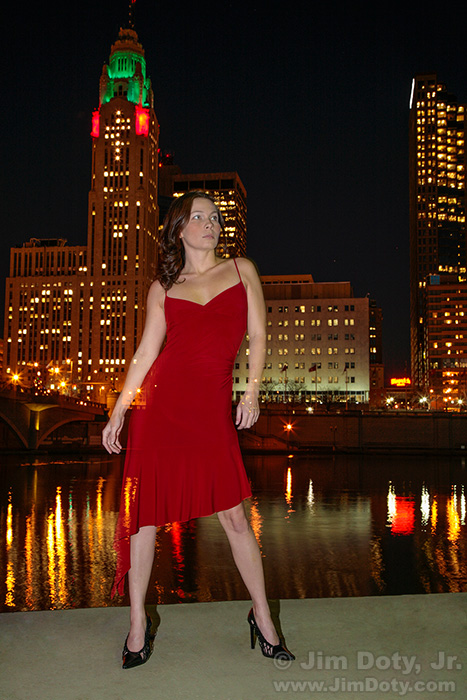
Nine years ago this evening, Sarah and I headed for downtown Columbus to do a Christmas photo shoot. We set up with the skyline in the background and I clicked the shutter for this image at 5:55 pm. I deliberately waited until the clock on my computer said 5:55 to post this article.

Posted December 13, 2015. Updated January 25, 2020.

Continue reading

“How To” Series: Off-Camera Flash

Margarita

Margarita, Studio Portrait with Off-Camera Flash

Twelve articles (links below) to get you started with off-camera flash. The equipment you will need and how to use it.

Getting your flash off the camera opens up a whole new world of photographic possibilities. And the really good news: the equipment is way less expensive than it used to be. If you are ready to get started, I just finished writing (or re-writing) a series of articles on off-camera flash that covers the equipment you will need and shows you how to use it.

Continue reading

Environmental Portraits and Off-Camera Flash, Part 1

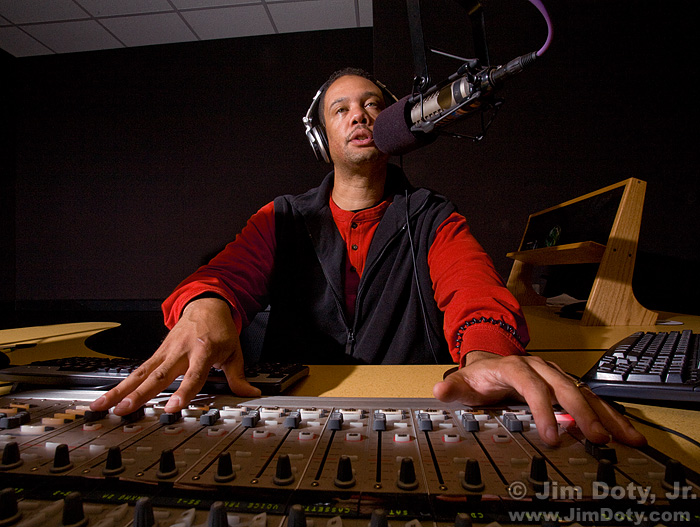
Warren Stevens, Magic 106.3, Columbus, Ohio.

Warren Stevens, Magic 106.3, Columbus, Ohio.

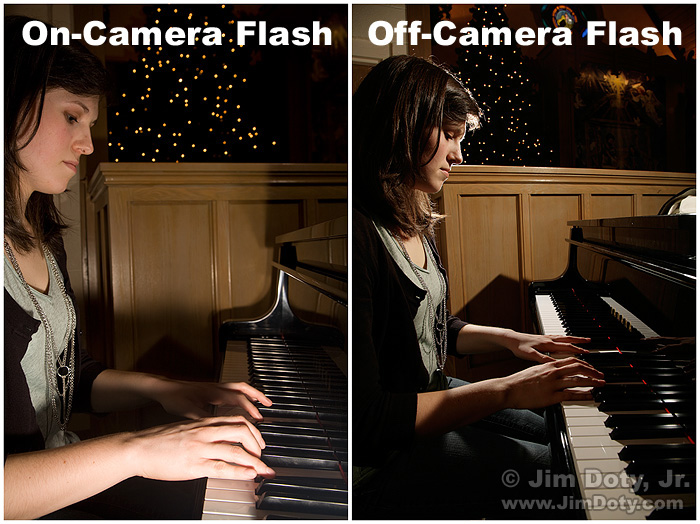
If I am using flash for an environmental portrait, I usually prefer having the flash off of the camera. In this portrait of Warren Stevens (program director and mid-day air personality at Magic 106.3 FM in Columbus), the flash is above Warren and to his right, providing a nice semi side-lit photograph. On camera flash is flat and even. Getting the flash off of the camera and moving it to the side provides more shape and texture to the subject.

Continue reading