Pursuit (4K) from Mike Olbinski on Vimeo.
Mike Olbinski does some of the most impressive time lapse photography you will ever see.
Pursuit (4K) from Mike Olbinski on Vimeo.
Mike Olbinski does some of the most impressive time lapse photography you will ever see.
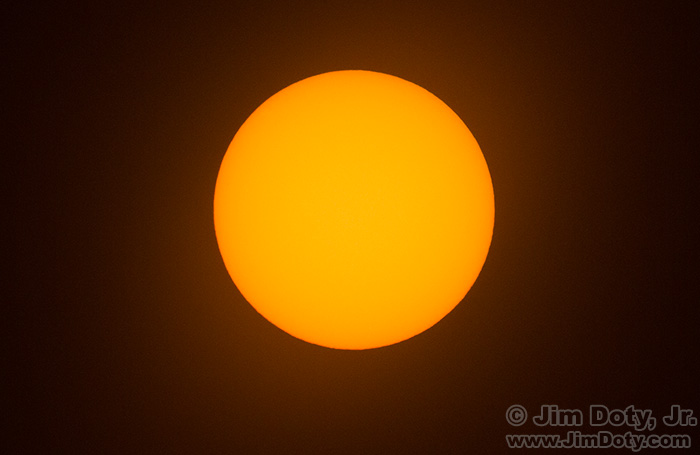
The Sun photographed with a White Light solar filter.
Unlike most other solar filters, a “white light” solar filter from Thousand Oaks Optical is visually safe (which is really important) and gives you a true color, yellow-amber looking sun (saving you processing time). A white light solar filter also makes it simpler and faster to photograph the sun.
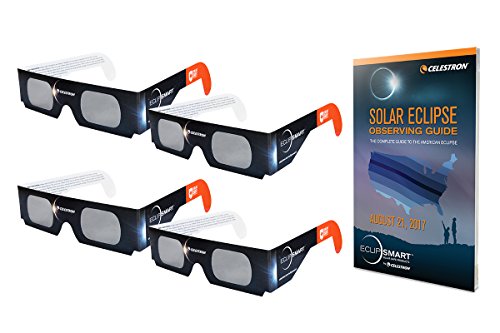
UPDATE August 4:Â This article was originally posted July 25, 2017. A lot has changed since then. All of the links below are to safe sources of solar eclipse glasses, viewers, and filters from reliable companies, but many of them have now sold out. As reliable dealers sell out of their stock of safe products, Amazon and other third party online sites have been flooded with unsafe, look alike, counterfeit products from fly-by-night companies. Read this important article for details: Unsafe Counterfeit Solar Eclipse Glasses Are Flooding Amazon and Other Online Markets
Here’s the short answer. Don’t use any kind of eclipse glasses or eclipse viewers unless you can find evidence that they are ISO 12312-2 certified. If they aren’t, don’t use them.
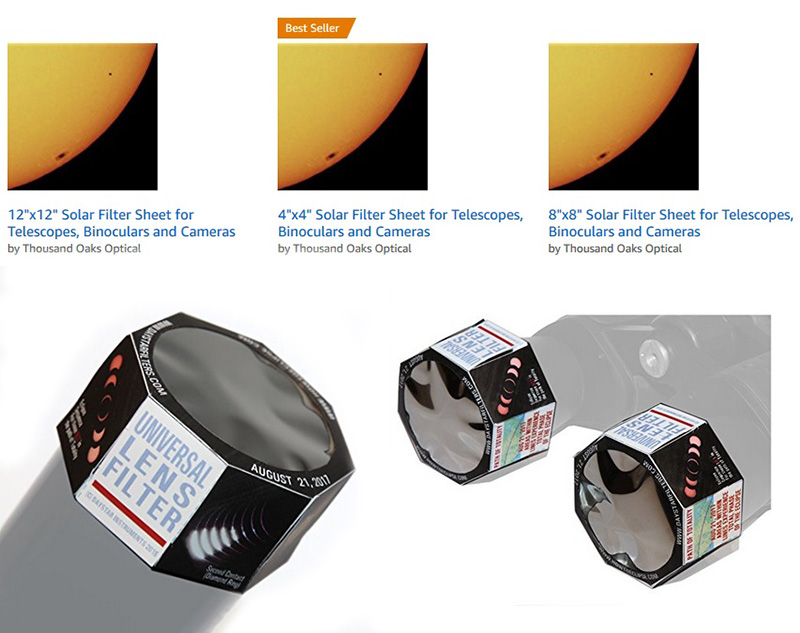
White Light solar filters for photography, binoculars, and non-magnified viewing.
If you order soon (stocks are running low), you can make or buy your own inexpensive, “white light” solar filter for safely photographing (and viewing) the sun and the upcoming solar eclipse August 21. “White light” filters (unlike others) allow you to see and photograph the sun in a natural yellow-amber color.
Update, August 6, 2017: Many of these items are no longer available. Check the most recent articles in this series to see what is still available.
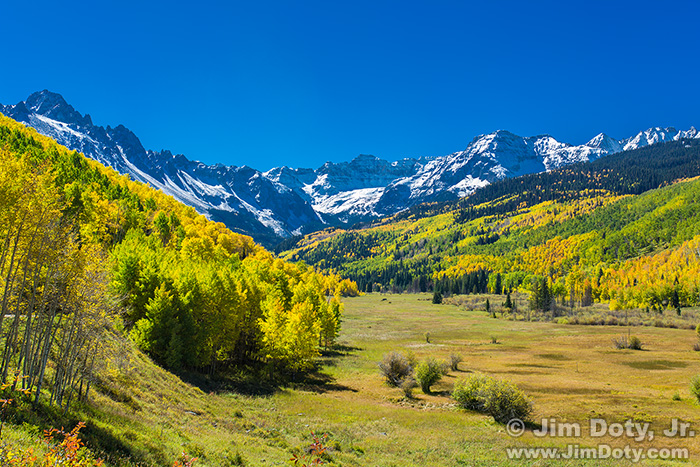
Mt. Sneffels and the Sneffels Range from County Road 7 (East Dallas Creek), Colorado. October 3, 2014.
This article is updated and re-posted every year. To find the most recent version, go to the Favorites/Most Popular page and look for the name of this article.
Welcome to my Colorado fall color travel guide with 100 pages of information (if you print it all out), 109 photos, and 17 maps. I cover some of the best known fall color locations in Colorado, and one real gem of a road that is mostly unknown to photographers and leaf peepers. Spend anywhere from a few days to three weeks exploring the beautiful Colorado Rockies at a gorgeous time of year.
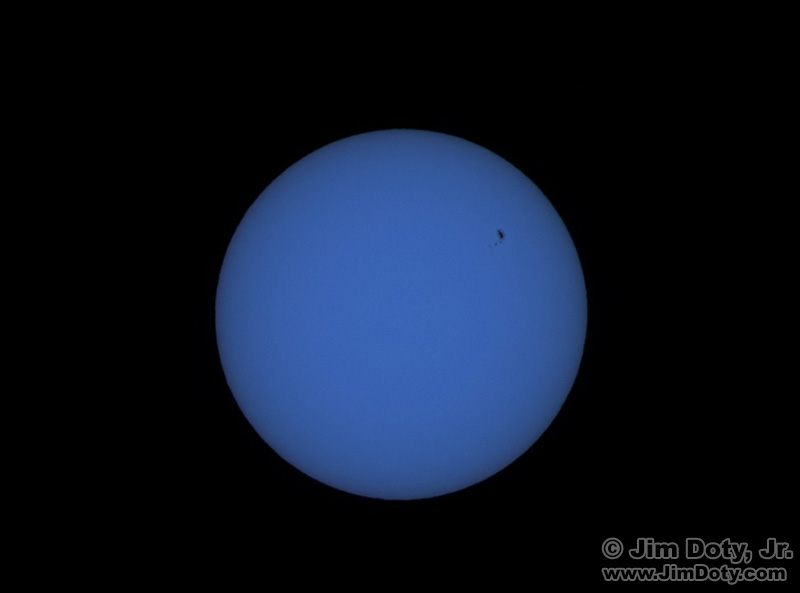
Blue Sun photographed with a Lee Solar Filter. Click for a larger version.
If you have been following my eclipse series all along, you ordered your solar filter from Thousand Oaks Optical long ago and you will get a yellow sun in your images. If you didn’t, my second choice is a Lee Solar Filter which is optically excellent but turns the sun blue. So how do you process a blue sun to get a yellow sun?
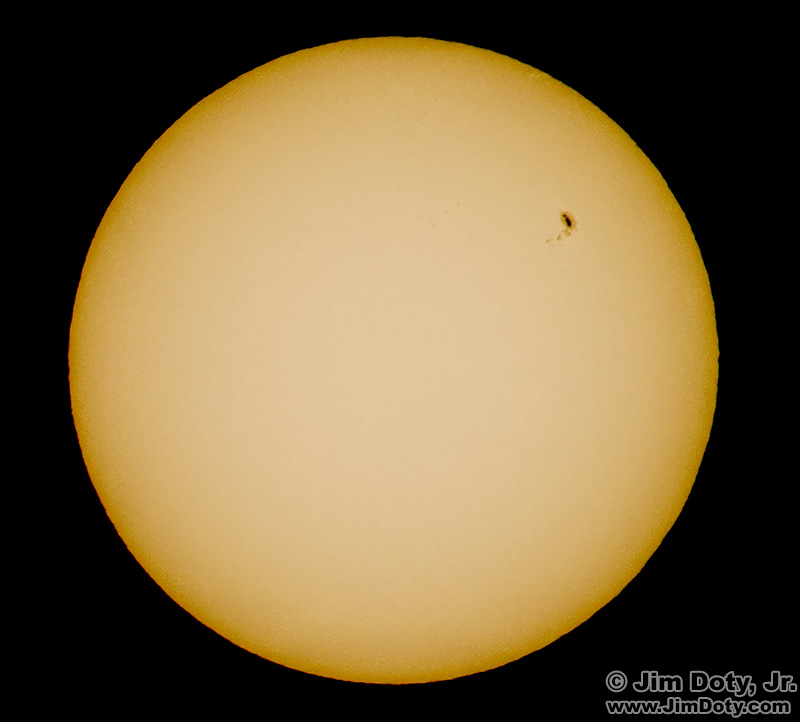
The Sun with Sunspots, photographed through a Lee solar filter.
After posting the last article I am getting questions about how to photograph the sun with a solar filter. It is time to cover the basics.
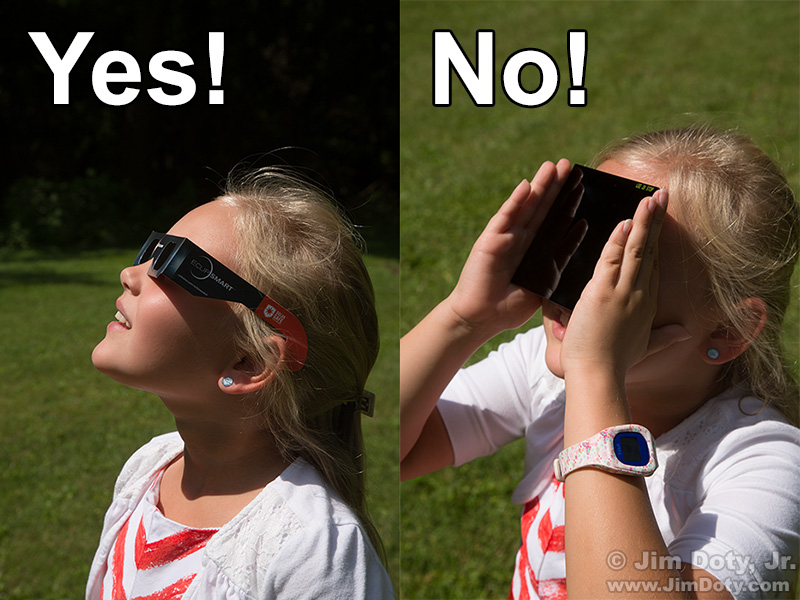
Left: Safe eclipse glasses. Right: Solar filter
Yes, that is right. Do not look at the sun on eclipse day (or any other day) through a solar eclipse filter. Even though you are looking through a solar eclipse filter (i.e. solar filter) you can still go blind. And this is especially true looking through a camera and lens, even with a solar filter on the lens. Why? I am glad you asked.

Some of my favorite photo location guides.
“If you want to be a better photographer stand in front of more interesting stuff!” – Jim Richardson, National Geographic photographer.
Looking for the best scenic locations to create beautiful images? You need good scenic locations guides written by and for photographers. Photographers are much more in tune with what other photographers want to photograph. And for each location, photographers will tell you the best season of the year and time of day to get the best photo.
Posted July 11, 2017. Updated Dec. 8, 2017.

Parks Collage. Click for a larger version.
What are the best months to photograph our best national parks? Truth to be told, the best national parks can be photographed just about any time of the year. But parks do have some months when they are at their photographic best. So what are the prime months? This park by park article is based on my own experiences as well as the advice of the photographers I most trust.
Posted July 11, 2017. Updated February 12, 2018.
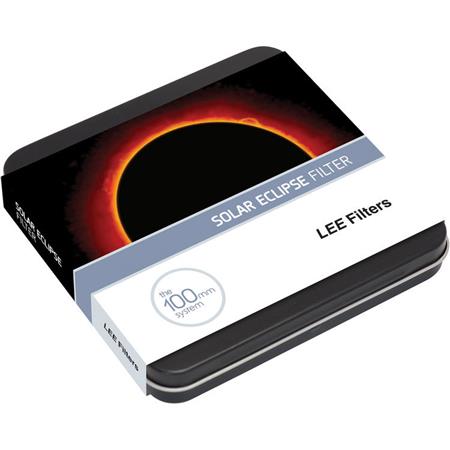
Lee Solar Eclipse Filter, 100mm size
I am seeing back order notices everywhere for solar eclipse filters made by reliable companies. If you want a filter to photograph the solar eclipse, order it now. Here are my recommendations.
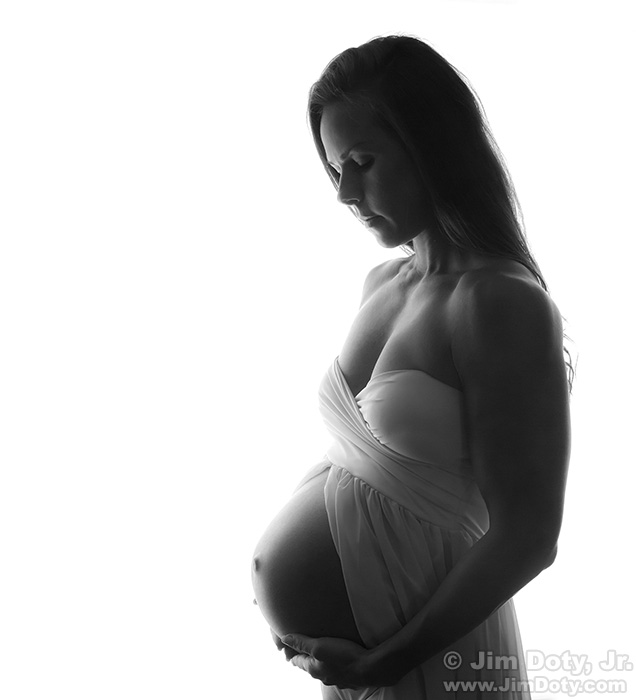
From my point of view a woman looking forward to the birth of her child is one of the most beautiful things on the planet.
We created this image in my studio. The only light source is the diffused light coming through the translucent blind covering the window directly behind Sarah. It gives me a wrap around light that I love to work with.
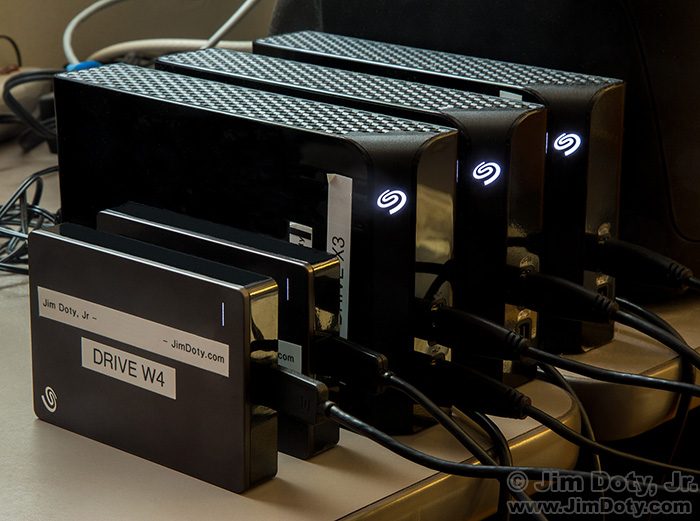
Seagate External Hard Drives
I read about a professional photographer who lost a bunch of photos because they were all on just one external hard drive with no backups. The cost of recovering the photos, if they can be recovered, will run between $500 and $5000 depending on the number of photos and the complications involved in the recovery process.
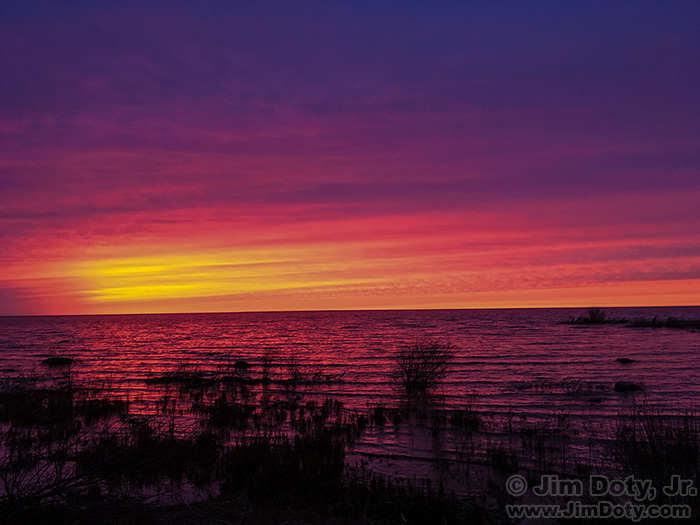
Sunset, Lake Michigan, Lake Michigan Shores Roadside Park near Charlevoix Michigan. iPhone photo.
A lot of photographers miss some great pictures while they are fiddling around with their fancy cameras and tripods. There is a lesson to be learned.
 Some opportunities are fleeting and you should grab the picture while you can.
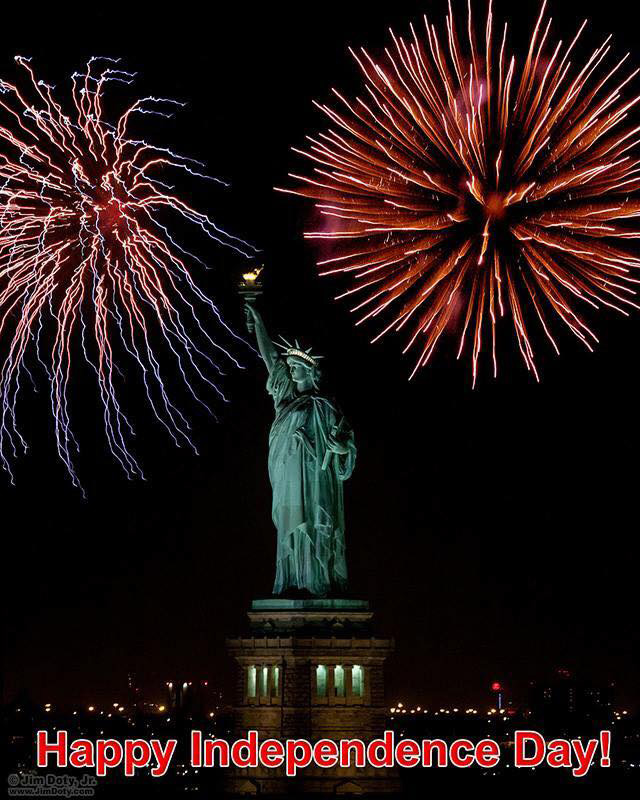
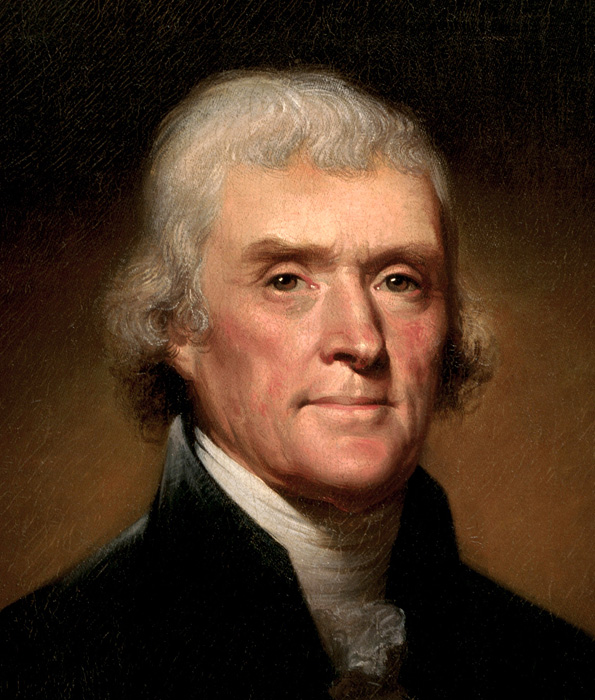 Thomas Jefferson by Rembrandt Peale, 1800
“We hold these truths to be self-evident, that all men are created equal, that they are endowed by their Creator with certain unalienable Rights, that among these are Life, Liberty and the pursuit of Happiness.â€
From the Declaration of Independence, signed July 4, 1776. Written by Thomas Jefferson (1762-1826). 3rd US President (1801-09).
More images (including Thomas Jefferson’s original draft and George Washington’s personal copy) and the complete text follows the break.
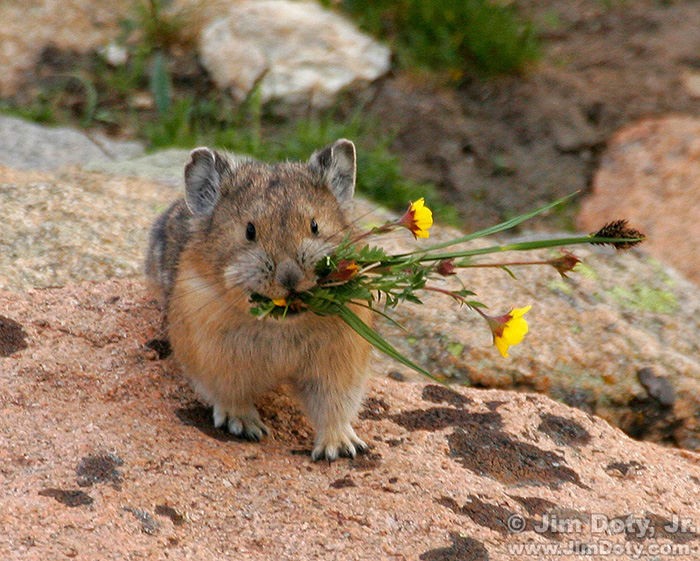
Pika, Rock Cut, Trail Ridge Road, Rocky Mountain National Park, Colorado
What are the best national parks to photograph in the summer? Here are my choices, grouped by state from west to east. This list includes the favorites I have been to and want to go back to again, plus the ones I haven’t seen and most want to photograph.
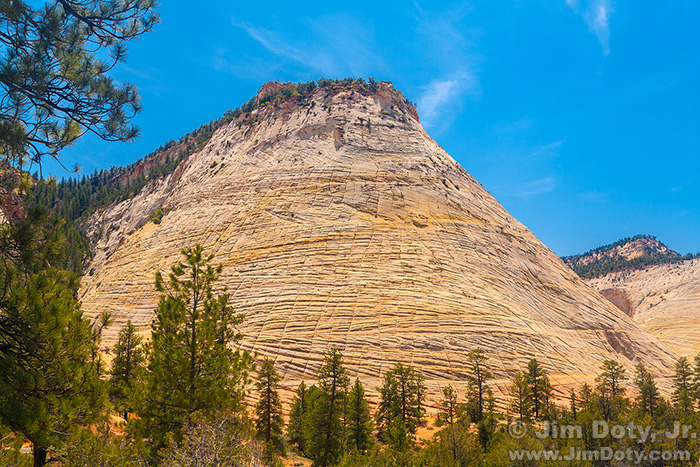
Checkerboard Mesa, Zion National Park, Utah
Summer is the most popular time to visit the national parks. With so many to choose from, where should you go? Which national parks will provide the best photographic opportunities in the summer?
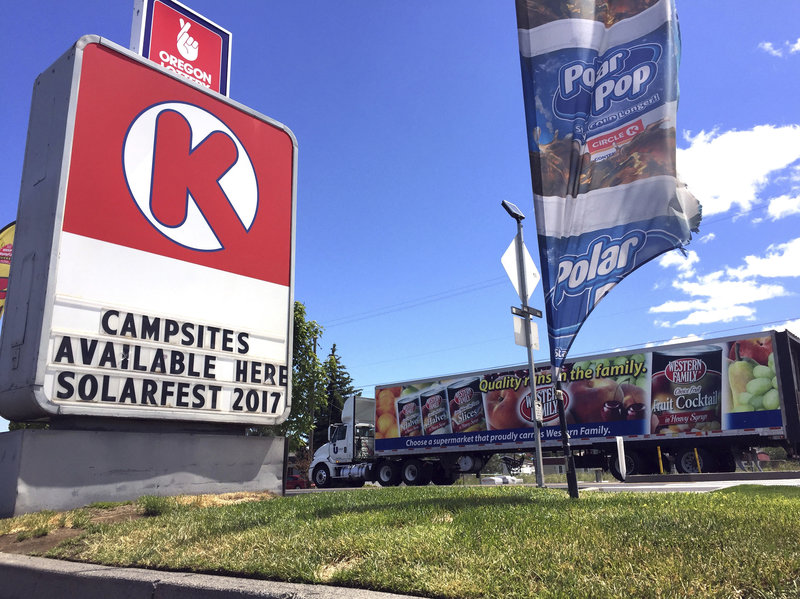
A June ad for campsites in the small town of Madras, Ore., anticipates the influx of tourists expected in the prime viewing location for the Aug. 21 total solar eclipse. Credit: Gillian Flaccus/AP
Just in case you haven’t heard, people are going nuts over the Great American Eclipse August 21, 2017. Places are booking up. Some places have been booked full for months. Prices are climbing. Little Madras, Oregon (population 6,500) is expecting 100,000 visitors because they are in the path of totality. Highways could turn into chaos. Read this eclipse news report from NPR.
What should you do? Make plans now. Start at the links below.
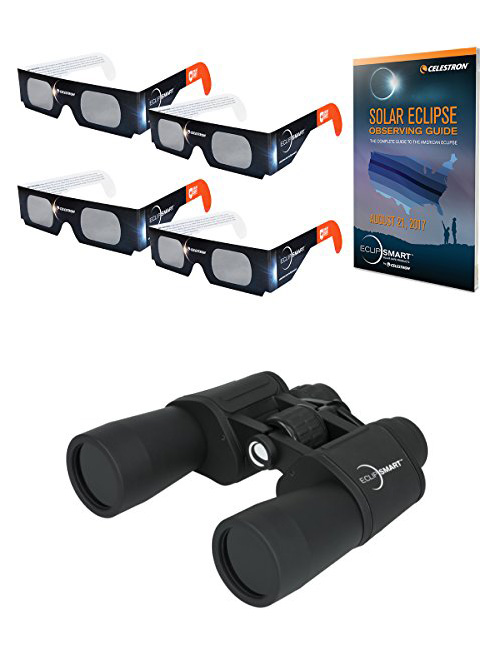
Celestron eclipse glasses and Celestron 10×42 eclipse binoculars.
The Great American Eclipse is Coming August 21, 2017. This is the best total eclipse of the sun in the United States in 38 years. Don’t wait too long to get your eclipse glasses, goggles, or binoculars. Due to the high interest in this eclipse, dealers could sell out long before the eclipse. There is already a delay of several weeks on orders for high quality solar filters.
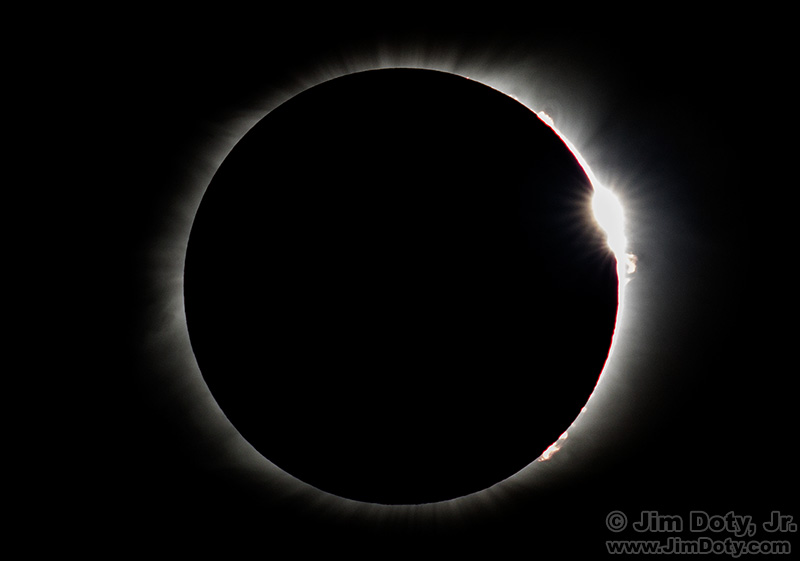
Solar Eruptions as Totality Ends
The Great American Eclipse will cross the United States August 21, 2017. This is the best total solar eclipse in the U.S. in 38 years. This series of articles is your guide to the best information about the eclipse.
Notice: There is an updated version of this list here with the articles arranged by category.
Originally posted June 26, 2017. Updated September 5, 2017:Â There are now 41 articles in this series. Stay tuned for more articles.
Watch the eclipse shadow cross the country from Oregon to South Carolina.
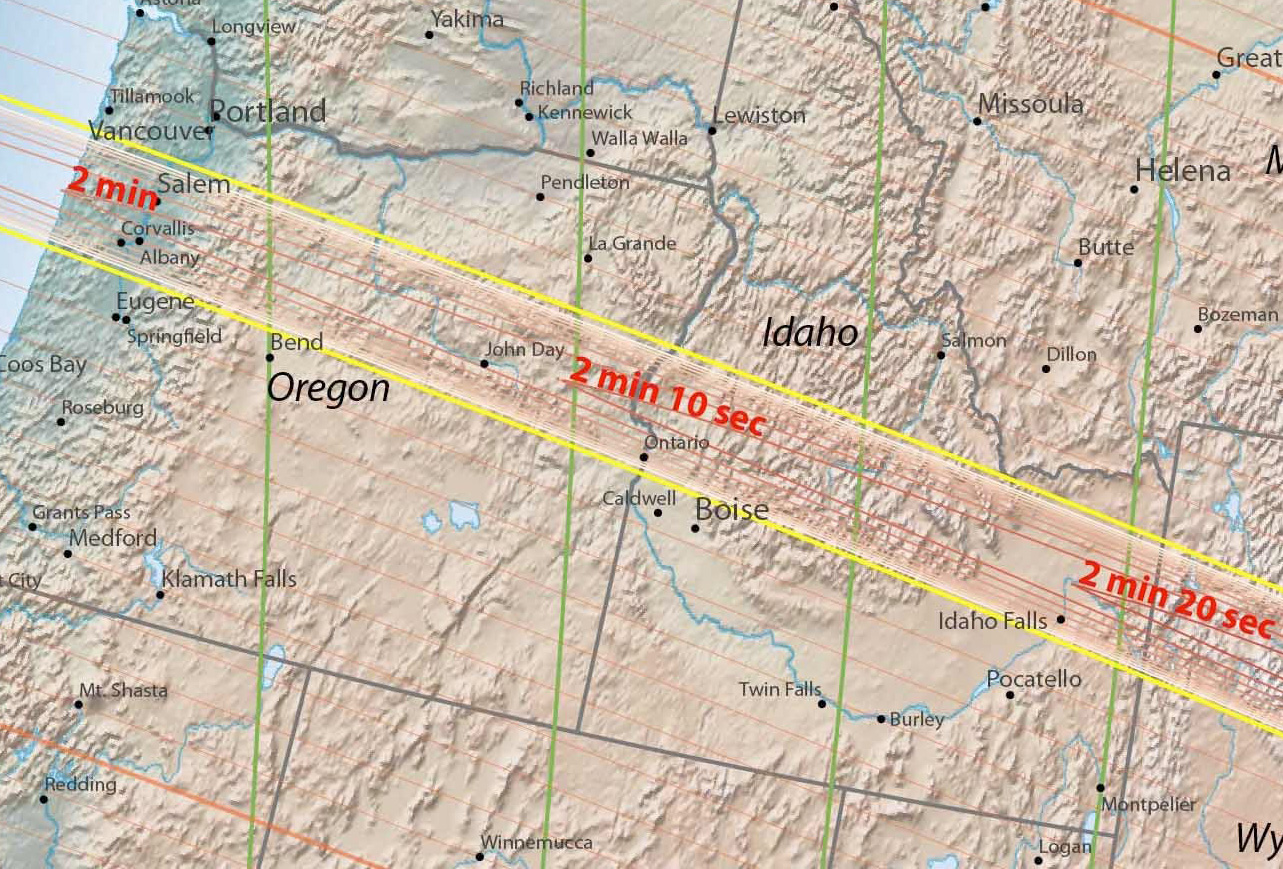
Oregon and Idaho. Click for a larger version.
This series of four maps show the path of the totality across the United States for the “Great American Eclipse”, August 21, 2017. The goal for the longest view of the total eclipse is to get as close as possible to the center of the totality path. If you are outside the path of totality you will not see a total eclipse. For more information, read How to Find, View, and Photograph the “Great American Eclipse” – August 21, 2017, my comprehensiveness guide to the eclipse information.
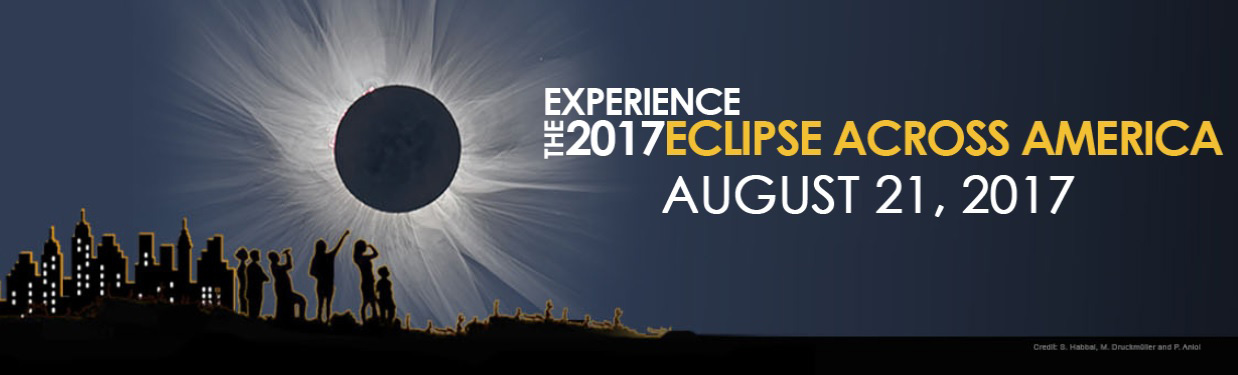 This is your comprehensive guide to the best information on the Great American Eclipse, August 21, 2017. This is the best total eclipse of the sun in the United States in 38 years. The path of totality will cross the entire country from Oregon to South Carolina. This handy guide will help you find a prime location to view and photograph the eclipse. Planning ahead is key.
Originally posted Jun 26, 2017. Revised and updated August 16, 2017.
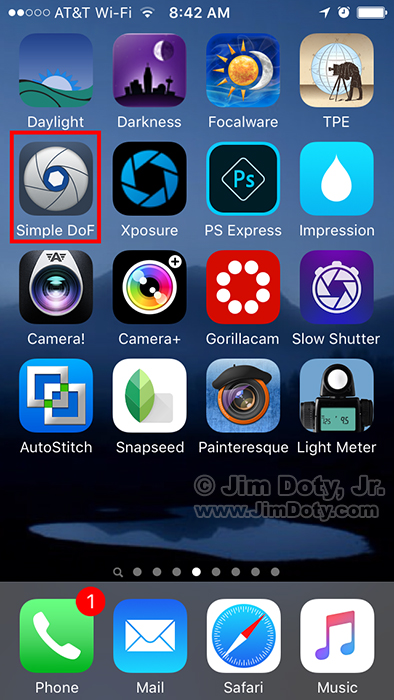
Simple DoF app for iPhone and iPad
My favorite depth of field app for the iPhone and iPad is the “Simple DoF Calculator” by Dennis van den Berg. It is fast, accurate, and simple to use. Best of all – you can set the Circle of Confusion (CoC) to the value of your choosing. In this screen capture of my iPhone the app is marked with a red square.
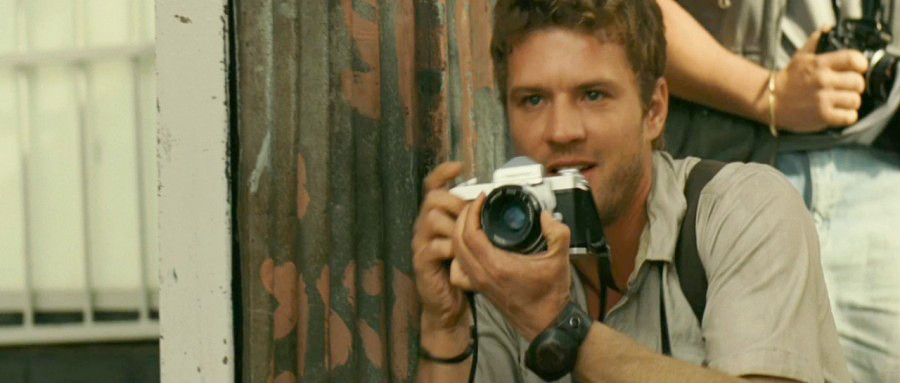
“The Bang Bang Club”
One good movie list deserves another.
If you want to know what conflict photography is like, I highly recommend The Bang Bang Club, based on the autobiographical book of the same name. It is about four photographers in South Africa who risked their lives to photograph the deadly conflicts during apartheid. Two of them received the Pulitzer Prize for their work.
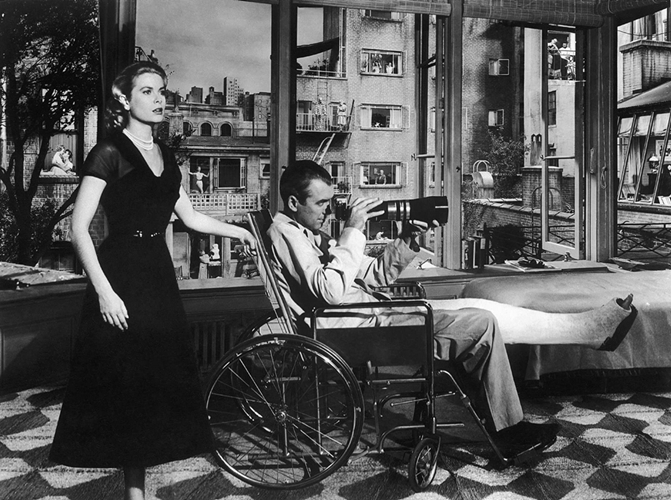
Hitchcock’s “Rear Window”
You love photography and you love watching movies. How about watching a movie that is about the art of photography? Some of these movies are feature length films and some of them are documentaries about individual photographers or photography in general. The movies on this list that I have watched are very good. I need to check out the rest.
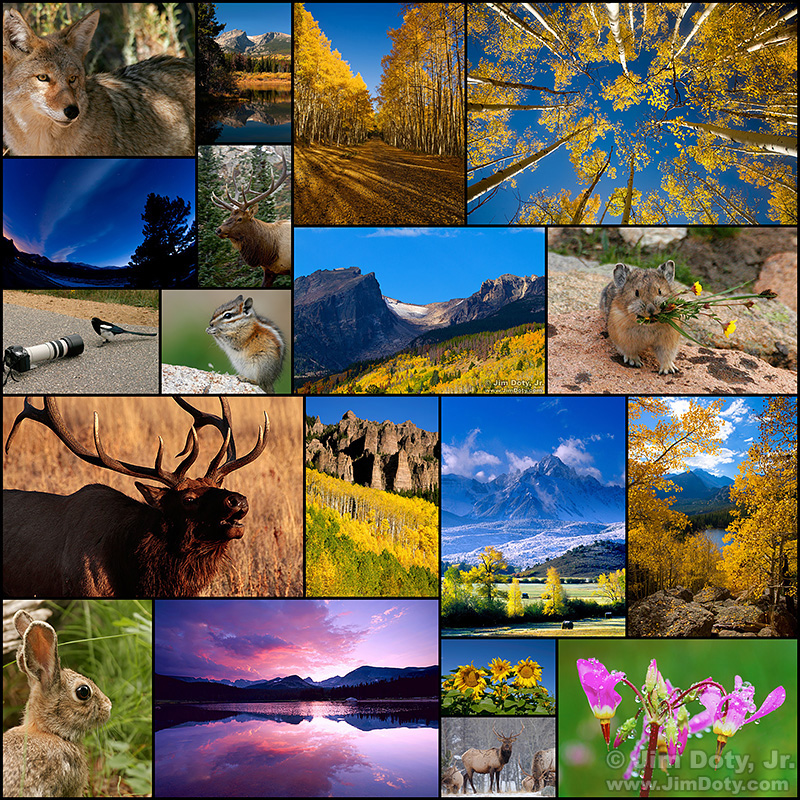 Are you ready to take your nature and wildlife photography to the next level? Are you ready to learn the professional secrets that make the difference between good images and great images? Are you ready for a high intensity, action packed, total immersion photography experience? Come to Estes Park Colorado, September 25-27, 2017 and hone your photography skills in beautiful Rocky Mountain National Park. You can also stay longer for the photo excursion.
John Morris, Capa’s London photo editor, tells the story behind Robert Capa’s D-Day photos, including the terrible darkroom mistake that ruined most of the photos. The high resolution video is best viewed full screen. You can see a contact sheet of the nine surviving negatives (ripped sprocket holes and all), Capa’s photo notes, and hear the story of the rush to get the prints back to the U.S. for publication in Life more. Fascinating imagery.
Link