Nature Photography Workshop – OSU, Mansfield Ohio Campus

CAPTURING NATURE’S WONDERS
Photography Workshop – OSU – Mansfield Ohio
May 7, 2016 – 9:00 am to 9:00 pm

***   ***   ***

UPDATE: THIS WORKSHOP IS NOW BOOKED FULL. This workshop also booked full last year well in advance of the workshop. I will be doing a one day workshop in Grand Rapids Michigan May 14, 2016, and other workshops throughout the year.  All of my workshops are linked at JimDoty.com.

***   ***   ***

I am excited. My nature photography workshop in Ohio is next month.

Come spend a fun, exciting, action-packed day learning how to take your photography to the next level. In the intensive classroom explorations you will learn the steps that make the difference between ordinary snapshots and extraordinary images. Minutes later you will be practicing those steps with your own camera. Learn the secrets of the pros and apply their tips and techniques to create your own eye-popping images.
Continue reading

How To Get Critical Focus in “Live View” Mode with a Magnified Image

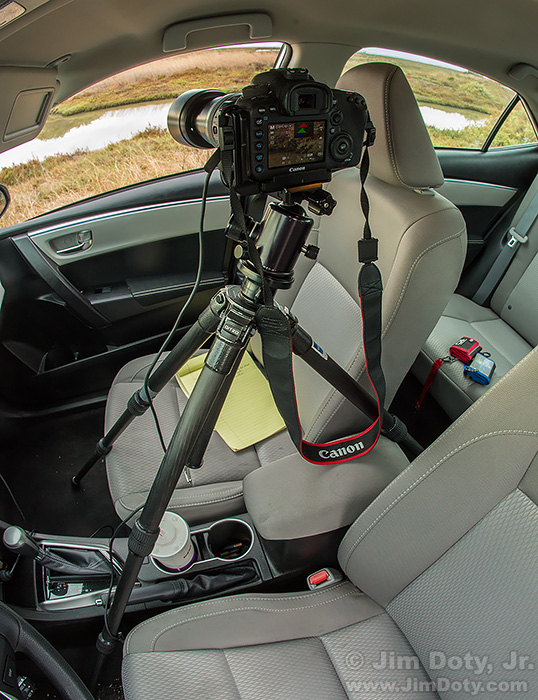
Tripod mpounted camera in live view mode.

Tripod mounted camera in live view mode. The image is visible on the LCD along with the RGB histogram.

“Live View” mode is a huge boon to digital photographers and magnified focus is one of the reasons why. Focusing this way is more accurate than the camera’s autofocus modes, at least with non-moving subjects, and you will have sharper images. Landscape photography is the usual time to use this technique but sometimes it works for wildlife.

Continue reading

First Night: Testing an iOptron SkyTracker, Part Two

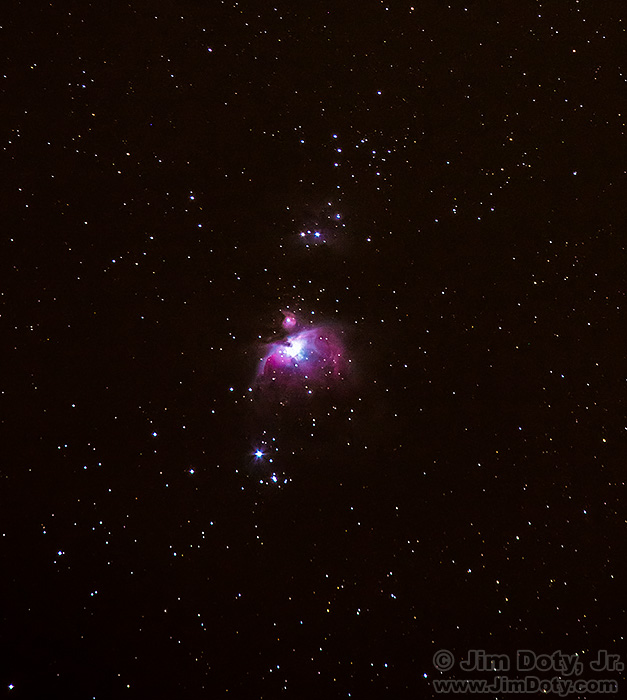
Orion Nebula and Nebula NGC 1977

Orion Nebula and Nebula NGC 1977. Three minute exposure with a 300mm lens and camera mounted on an iOptron SkyTracker. This is cropped from a larger image.

After a one minute exposure using the iOptron SkyTracker (see the photo in part one), I tried a 3 minute exposure with the same 300mm lens to create the image above (which is cropped from a larger image which you can see below). The Orion Nebula (M42 and M43) shows up quite well and you can even see some of the nebulosity of NGC 1977 just above the Orion Nebula around the 5th magnitude stars Orionis 42 and 45. The iOptron StarTracker is an impressive piece of equipment.

Posted March 17, 2016. Updated Dec. 5, 2017

Continue reading

First Night: Testing an iOptron Sky Tracker, Part One

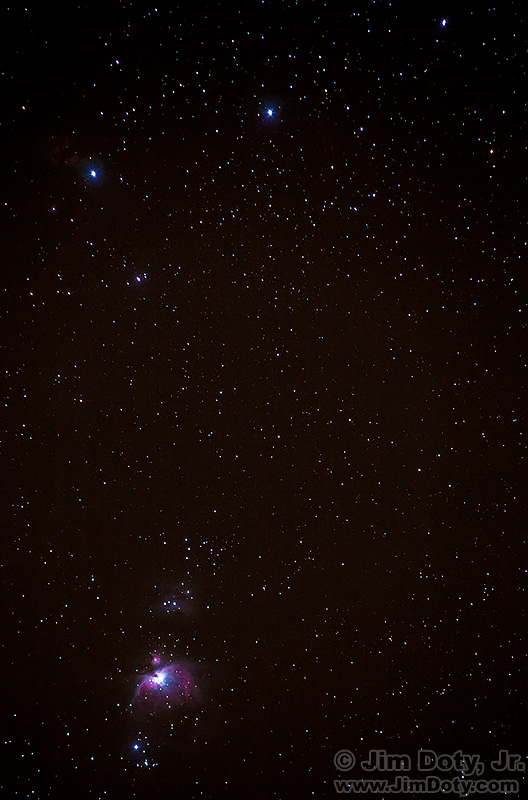
Orion’s belt, sword and the Orion Nebula in the middle of the sword. 300mm focal length lens and camera mounted on an iOptron Sky Tracker.

Using a tripod, camera, and lens you already own, am iOptron Sky Tracker allows you to take photos that would be impossible with just a camera and tripod. This is a first look at my first night using an iOptron Sky Tracker and ball head. Details will follow later.

Posted March 11, 2016. Updated Dec. 5, 2017.

Continue reading

One Location, Four Photos: Aspen Leaf, Autumn Road, Mountain Landscapes

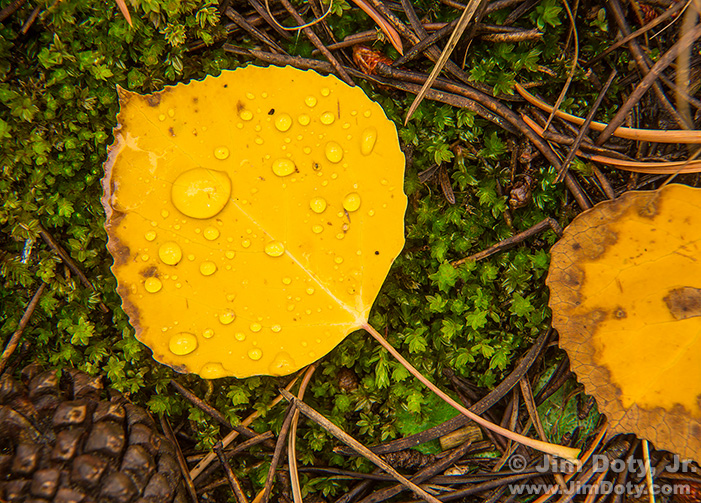
Dew on aspen leaves, moss; evergreen needles, and evergreen cone.

Dew on aspen leaves, moss; evergreen needles, and evergreen cone.

The same photographic area can give you several very different kinds of images in different kinds of light. The morning light had turned cloudy in Rocky Mountain National Park so Bob, my brother-in-law, and I were in the forest doing small scale landscapes and closeups of little forest details.

Continue reading

Using Google Earth to Find the Name of a Mountain (and How to Get GPS Info into Google Earth)

"Mountain in Colorado"

“Mountain in Colorado”

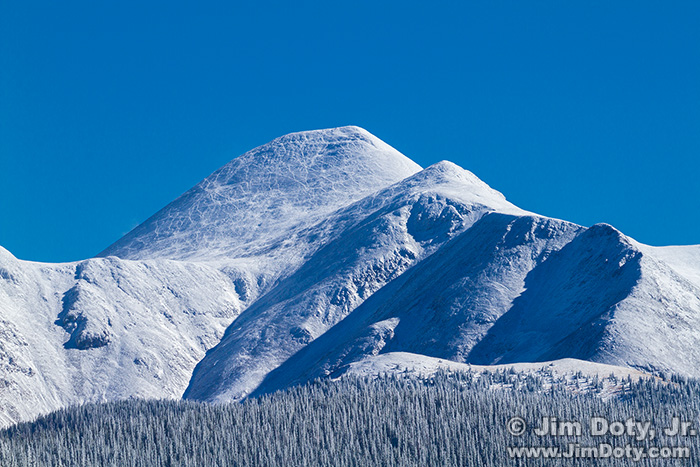
What is the name of this mountain? Photo editors want to know. They like caption information. If you have a distinctive mountain in your photo, “Mountain in Colorado” won’t cut it with your friendly neighborhood photo editor. Here’s how to identify that mountain in Google Earth (and how to get GPS coordinates into Google Earth).

Posted Jan. 26, 2016. Updated Feb. 3, 2017.

Continue reading

How To Work With A Model When The Windchill is 4°

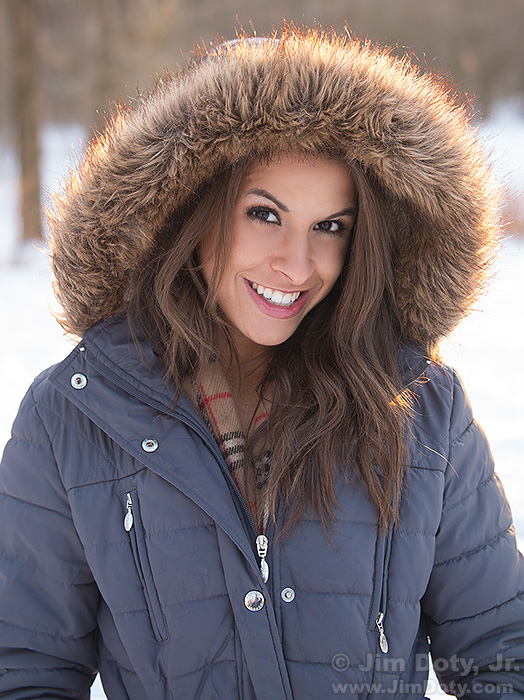
Selina

Selina, Downtown Columbus Ohio

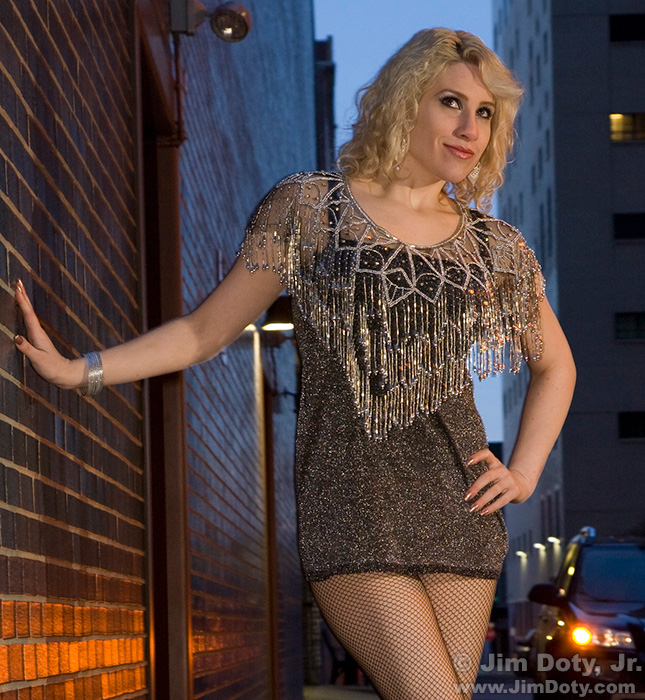
You would think a windchill of 4° Fahrenheit (-16°C) would be too cold for a photo shoot, but not with some models. We booked this January shoot weeks in advance so we knew it would be cold, but we had no idea how cold until the day arrived. Here’s the story behind this image and how to work with a model when it is so cold.

Continue reading

“How To” Series: Winter Photography

Last Light on El Capitan, Yosemite National Park

Last Light on El Capitan, Yosemite National Park

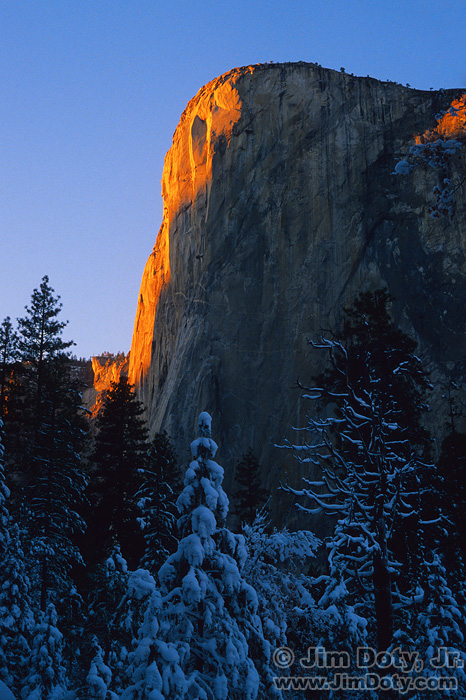
In addition to all of the usual photographic challenges, winter provides some extra complications, especially in terms of metering. So I began my series of articles on winter photography. I just finished revising and updating the series. I also revised some related articles and added new ones. They are all linked below. They will help you meet the unique challenges of winter photography. So read the articles, get out there, have fun, and create some stunning images!

This series is updated every year in January. The January 2017 update is here.

Continue reading

Testing Your Camera’s Snow Exposure Latitude

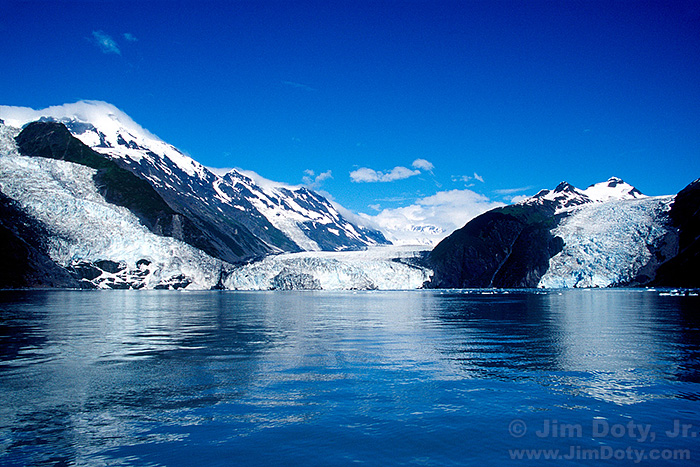
Cascade, Barry, and Coxe Glaciers

Cascade, Barry, and Coxe Glaciers, Prince William Sound, Alaska

Exposure compensation is one of the most important keys to good exposures, great images, and the best colors your digital camera is capable of producing. Knowing your camera’s snow exposure latitude is one of the keys to using exposure compensation in a winter scene. It is different for every camera model. You won’t find it in your camera’s manual but it is easy to determine with a simple test.

Continue reading

Metering Nighttime Winter Scenes

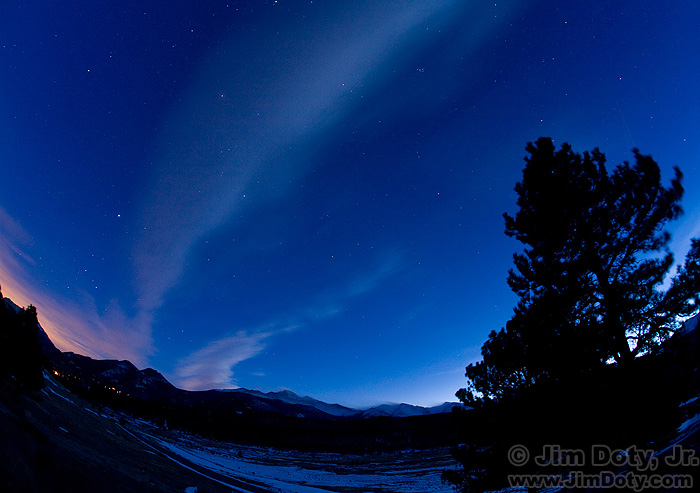
Twilight, Rocky Mountain National Park.

Twilight, Rocky Mountain National Park. Sirius, Canis Major, Orion, Taurus, the Hyades star cluster, and the Pleiades star cluster are all visible in the fading light. Click for a larger version.

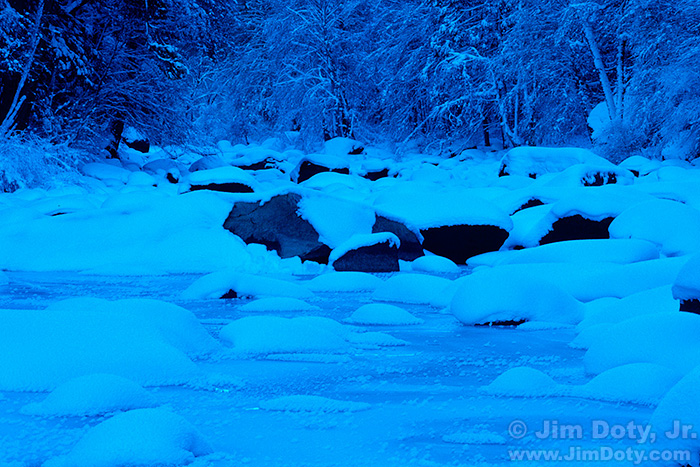
You can photograph the night sky year around, but winter brings an added bonus: SNOW!  When you don’t have the benefit of moonlight, most of the year you get a black, silhouetted skyline. In winter you have the possibility of including the highly reflective snow. For many photographers winter is their favorite time of year to photograph the night sky.

Continue reading

Metering Wildlife in the Snow, Part Two

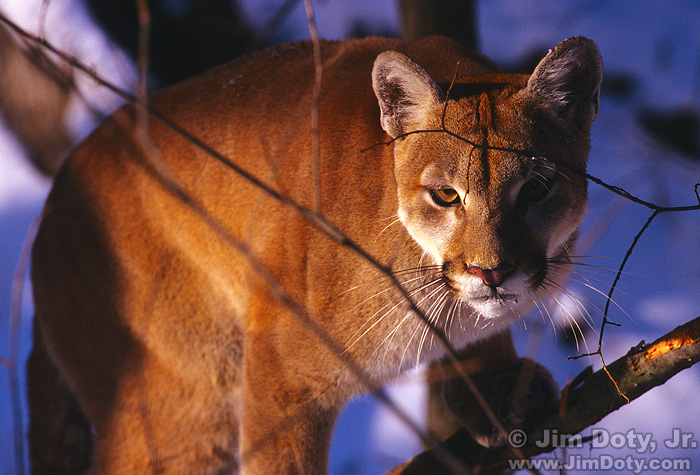
Cougar

Cougar

Most wildlife are medium to dark in tone, making them a challenge to meter properly in the bright, white tones of winter. If you trust your camera’s auto exposure modes, the odds are good you won’t get the best exposure. If you switch over to manual exposure and make the right decisions, you can get great exposures and better quality photos (more about that later).

Continue reading

Metering Wildlife in the Snow, Part One

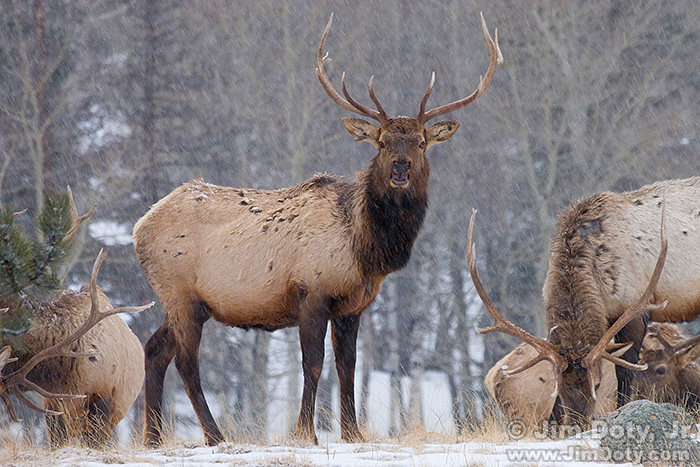
Elk in the Snow, Rocky Mountain National Park

Elk in the Snow, Horseshoe Park, Rocky Mountain National Park, Colorado

Metering dark toned wildlife in the snow is a major exposure challenge. It is usually best to avoid large “burned out” areas (washed out, featureless white) in a nature or landscape photograph, but with properly exposed snow, the wildlife can be so dark as to lose all texture. On other hand, metering for the wildlife can burn out the snow. So what do you do?

Continue reading

Metering Daytime Winter Scenes

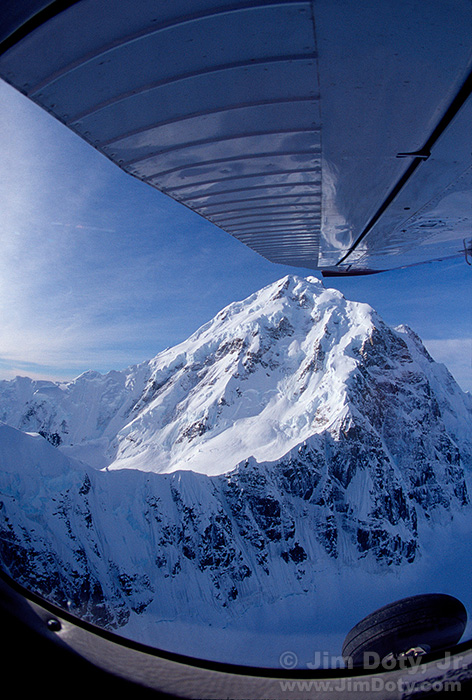
Mount Hunter from a Bush Plane. Denali National Park. Alaska.

Mount Hunter from a Bush Plane. Denali National Park. Alaska.

Metering for scenes with a lot of snow can be tricky since the bright snow fools the camera meter. I see a lot of winter photos with gray snow, which means the camera meter did exactly what it was designed to do and the camera owner didn’t know how to use exposure compensation. The solution is quite simple provided you know what to do.

Continue reading

“How To” Series: Winter Photography

Last Light on El Capitan, Yosemite National Park

Last Light on El Capitan, Yosemite National Park

Update: December 18, 2015. This series was revised and expanded last winter (January through March 2015) and I will update it again beginning in January 2016, but for some of you winter is NOW, so I am re-posting this set of links so you have them now.

Update: January 9, 2016. As of today five of articles have been revised and updated from last year’s versions. I have also written several new articles that are related to this series and included links. Over the next few days I will revise and update the rest of the articles. Stay tuned.

In addition to all of the usual photographic challenges, winter provides some extra complications, especially in terms of metering. So I began my series of articles on winter photography. This year I revised three prior articles and added six new ones. They will help you meet the unique challenges of winter photography. So read the articles, get out there, have fun, and create some stunning images!

Continue reading

Your Camera Does NOT Capture Reality! (And what to do about it.)

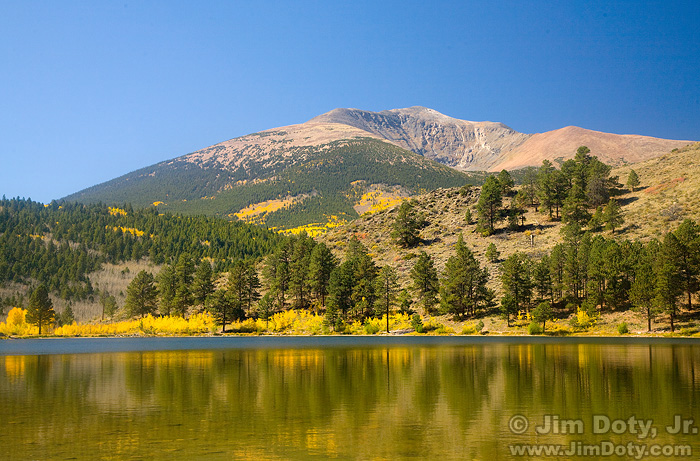
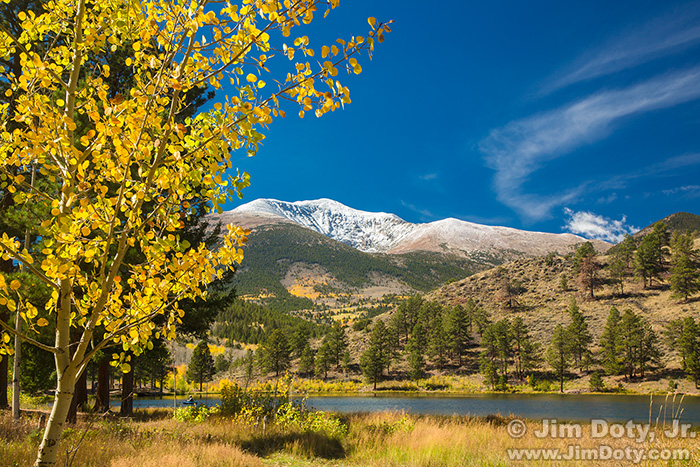
O'Haver Lake, Mt. Ouray, Colorado

O’Haver Lake, Mt. Ouray, Colorado.

You have heard it said a lot, and maybe said it yourself: “This picture doesn’t do it justice.” That is often true and for several reasons. One is that digital cameras do not capture reality. No matter how fancy or inexpensive, digital cameras simply do not capture what your eyes see. That is also true with film cameras. All color photographic films have different color characteristics. Some have better reds, others have better greens or blues. Some are more saturated and others less saturated. But none of them are totally color realistic. Why don’t cameras give you realistic images and what can you do about it?

Note: This article has been updated here.

Continue reading