When I posted this photo on one of my Facebook pages, a friend posted this comment:
“I LOVE this egret photo!!!!!!!!!!!!!! Look at the right wing trailing in the water. How DO you capture these?!”
That is an excellent question.
When I posted this photo on one of my Facebook pages, a friend posted this comment:
“I LOVE this egret photo!!!!!!!!!!!!!! Look at the right wing trailing in the water. How DO you capture these?!”
That is an excellent question.
This is a much earlier date for this workshop than in prior years. We are only seven weeks away and this workshop is filling up fast. Register now and come spend a fun and exciting weekend learning how to take your nature photography to the next level. The weekend is May 26-28, 2017 at Park of the Pines on beautiful Lake Charlevoix in northern Michigan with an optional all day field trip to Michigan’s U.P. on Monday, May 29.
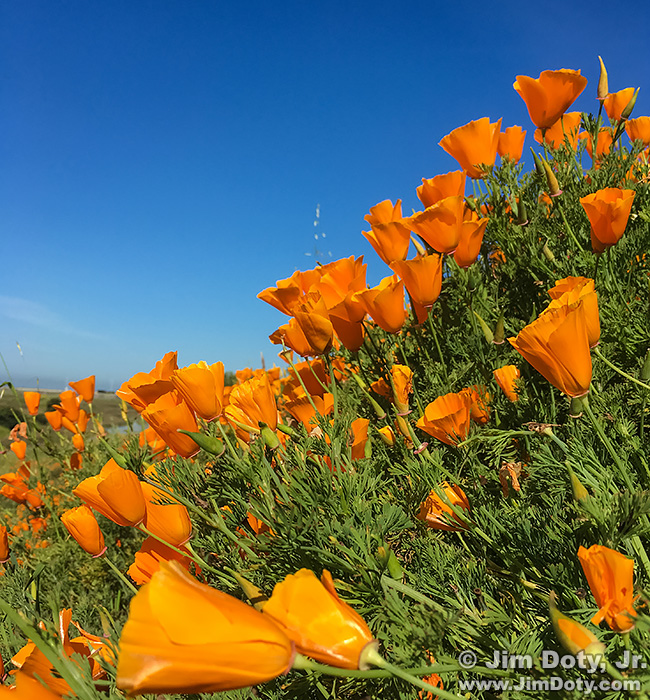
There are times when iPhones can take great photos. Lots of light and the need for a semi-wide angle lens are ideal.
Ansel Adams often said “The negative is similar to a musician’s score, and the print to the performance of that score.” Over a period of years he would take the same negative and print it in several different ways, giving the negative a new and different performance.
If you want to look at the metadata embedded in online photos, including GPS coordinates, this is an excellent online viewer. And it is simple. Just grab the URL for an online photo, drop it into the URL box on Jeffrey’s site, verify you aren’t a robot, and then check out the tons of metadata (check out the examples below). This is the most comprehensive metadata viewer I have found.
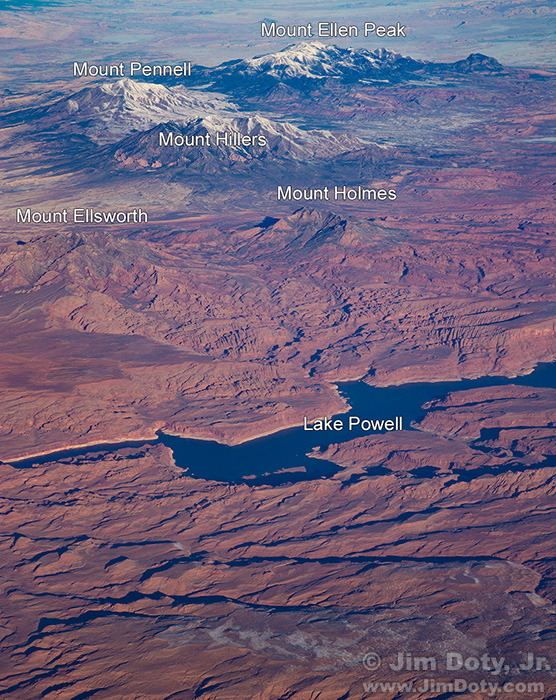
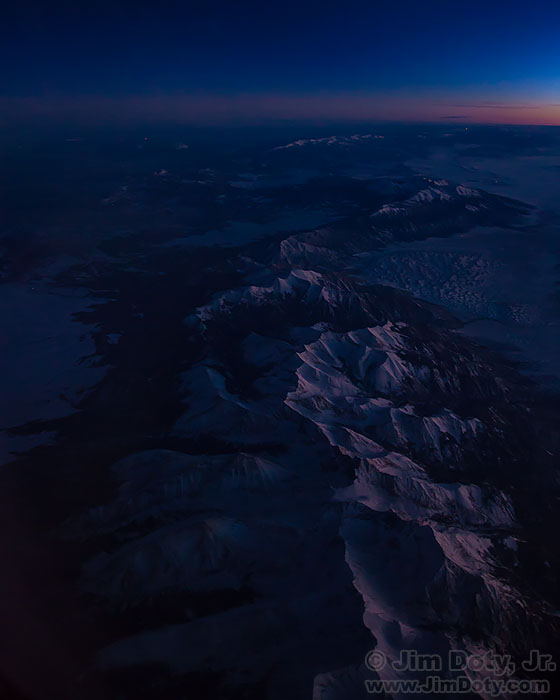
When I am taking pictures from an airplane I am curious where I am and what I am seeing down below. Sometimes it is obvious, like the Grand Canyon, and sometimes it isn’t. GPS on a plane should help a lot. At least that’s the theory.

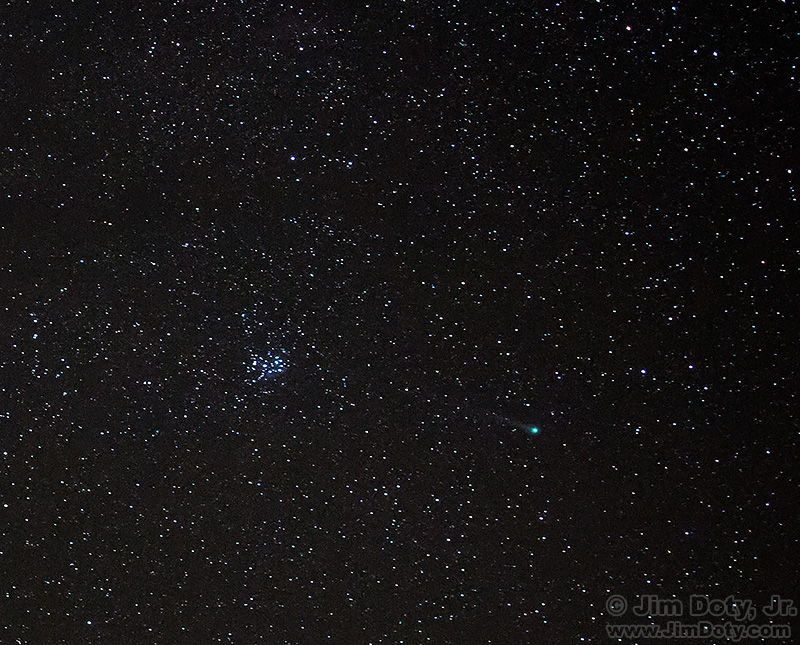
Comet Lovejoy. January 19, 2015. Cropped from a photo taken with a 24mm lens. Click for a larger version.
If you aren’t used to photographing faint objects in the night sky, this will be a challenge, but I suggest you try anyway. You have nothing to lose and a photo to gain.
Originally posted Feb. 9, 2017. Revised and expanded Feb. 10, 2017.
Everything but time was in my favor. I was able to grab a good window seat (well ahead of the engines) with a clean, un-crazed window on the correct (right) side of the plane to photograph the Sange de Cristo Mountains.
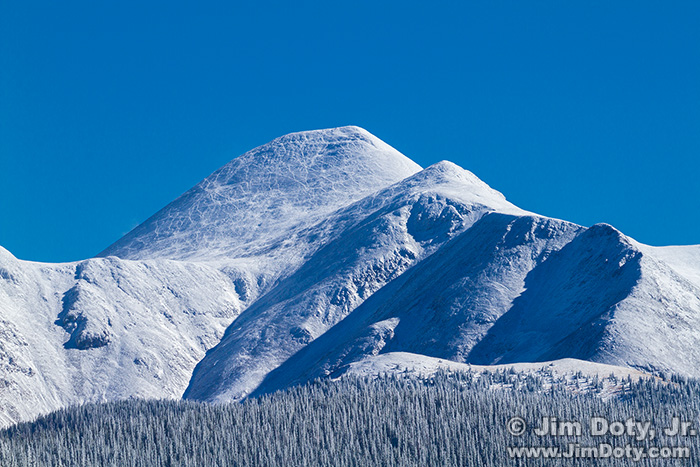
What is the name of this mountain? Photo editors want to know. They like caption information. If you have a distinctive mountain in your photo, “Mountain in Colorado” won’t cut it with your friendly neighborhood photo editor. Here’s how to identify that mountain in Google Earth (and how to get GPS coordinates into Google Earth).
Originally posted Jan. 26, 2016. Updated and re-posted Feb. 5, 2017.
Should you join the growing number of photographers who “geotag” their photos (add GPS data). How do you do it? Are there times you shouldn’t?
Originally posted Jan. 28, 2016. Revised and re-posted Feb. 2, 2017.
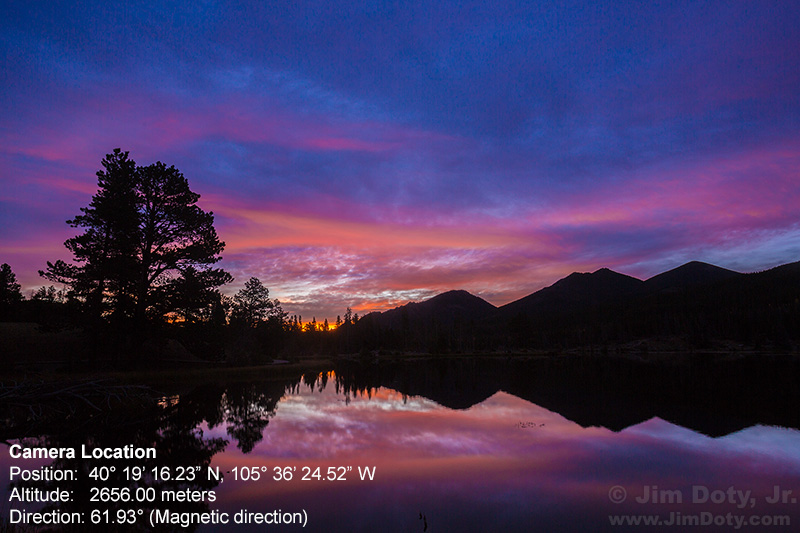
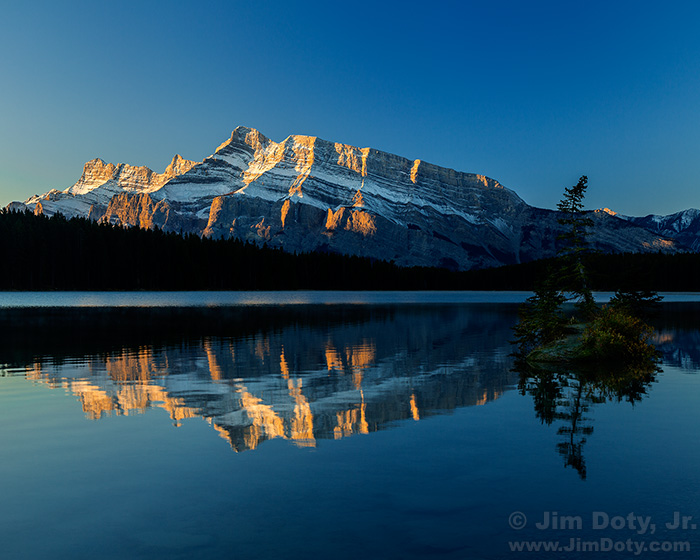
Today (Mar 18, 2014) I was asked by a client where I was when I took some photos in Banff National Park. I was able to provide him with the exact locations, complete with marked satellite images. It is a good idea to known where you were when you created your most important images, and the more specific the information the better. It is good info to have for your own use and sometimes it can make the difference between whether or not one of your images is published.
Originally posted Mar. 18, 2014. Updated and re-posted Jan. 30, 2017.
The national parks in the U.S. and Canada are natural, environmental, and photographic treasures. They are high on the list of preferred destinations for professional and amateur photographers alike. To help you show up at right places at the best times to create beautiful images, I put together this ongoing series of articles.
Posted January 22, 2017. Most recent update: September 10, 2025. Continue reading
Winter provides some wonderful photo opportunities in our national parks. So if you haven’t gone into hibernation for the winter, here are the best national parks to go photograph this winter, grouped by state from the west to the east. There are a few bonus locations thrown in too. At the end I give you my “best of the best” list.
Posted Jan. 17, 2017. Updated Jan. 3, 2018.
The most important and difficult step in night photography is to focus your lens at infinity. If you have tried to focus on the stars at night you have already learned that it is an impossible task for the autofocus system and just about impossible for you to do manually. You just can’t see clearly enough through the viewfinder in the dark of night to manually focus on the stars. Fortunately, there are some ways to get the job done.
Originally posted Jan. 8, 2017. Revised and expanded Feb. 10, 2017.
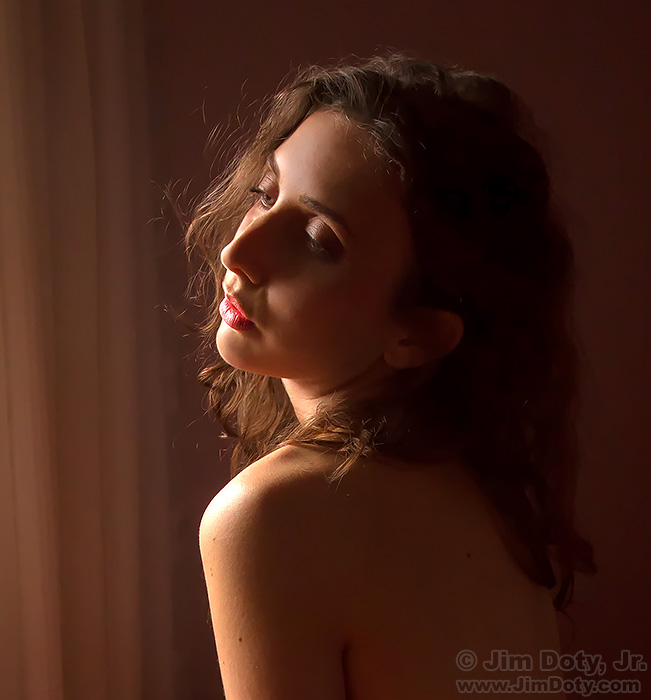
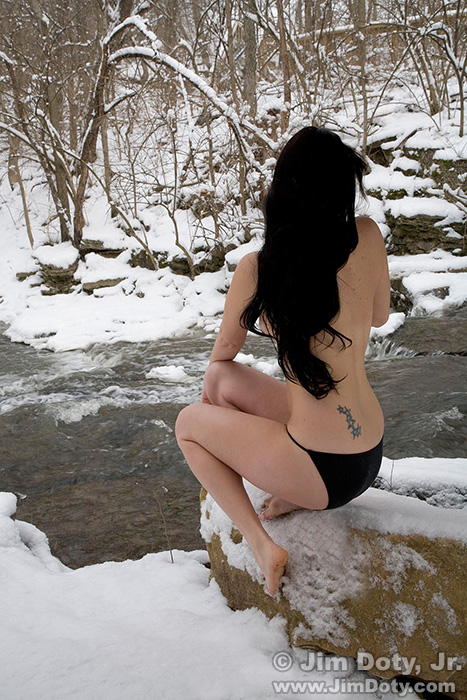
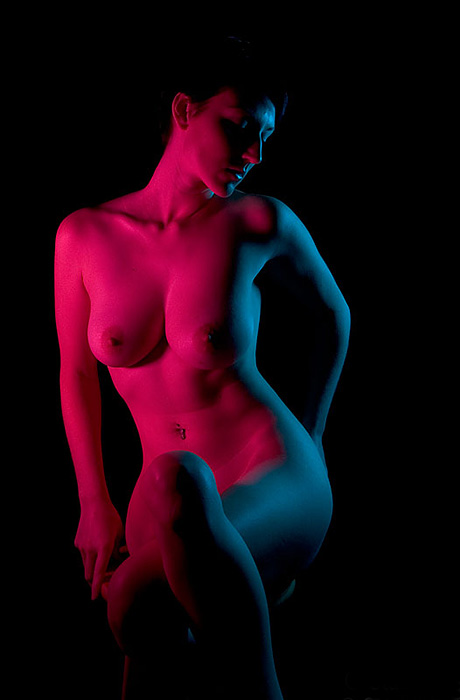
It is difficult enough to create a beautiful nude image under normal circumstances, much less in the cold and snow. You need to bring some significant skills and experience to the task. So does your model.
The Sunny f16 rule is really useful on bright sunny days in the spring, summer, and fall, but you can’t rely on it on bright, snowy winter days. It will often lead you astray. There are much more accurate ways to meter in the winter.
The “snow exposure latitude” for every camera is different. You won’t find it in your camera’s manual but it is easy to determine with a do-it-yourself test. Why does it matter? If you don’t know the snow exposure latitude for your camera and how to apply apply it to your images, the color and quality of your winter photos will suffer.
Cold and snow can cause a lot of damage to your camera gear. Something as simple as shooting outside and taking your camera inside your house or car can cause hidden damage that won’t show up until days or weeks later. The simple steps in this article could save you hundreds of dollars in repair bills.

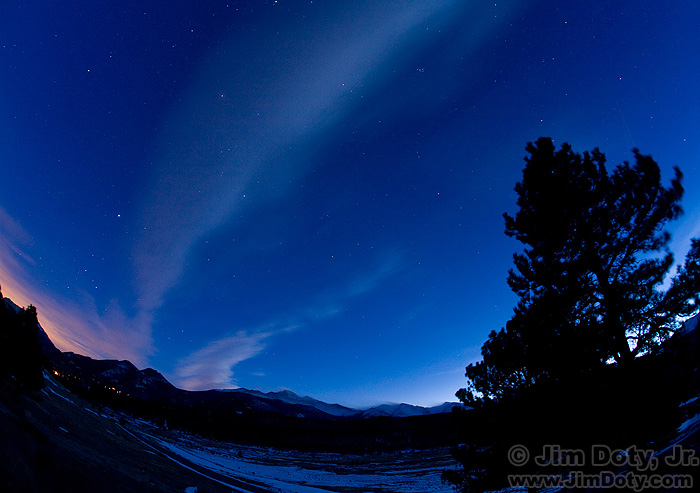
Twilight, Rocky Mountain National Park. Sirius, Canis Major, Orion, Taurus, the Hyades star cluster, and the Pleiades star cluster are all visible in the fading light. Click for a larger version.
You can photograph the night sky year around, but winter brings an added bonus: SNOW! When you don’t have the benefit of moonlight, most of the year land forms a dark to black silhouetted skyline against the night sky. In winter you have the possibility of including the highly reflective snow. You can see both in this photo. Any place not covered with snow is very dark to black. Having reflective snow is why winter is the favorite time of year for a lot of photographers to go out and photograph the night sky.
Just like metering daytime winter scenes, the key to metering evening winter scenes is knowing what to meter and deciding how much exposure compensation to use.
Most wildlife are medium to dark in tone, making them a challenge to meter properly in the bright, white tones of winter. If you trust one of your camera’s automatic exposure modes, the odds are good you won’t get the best exposure. If you switch over to manual exposure and make the right decisions, you can get great exposures and better quality photos (more about that later).
Metering dark toned wildlife in the snow is a major exposure challenge. It is usually best to avoid large “burned out” areas (washed out, featureless white) in a nature or landscape photograph, but with properly exposed snow, the wildlife can be so dark as to lose all texture. On other hand, metering for the wildlife can burn out the snow. So what do you do?
Metering for scenes with a lot of snow can be tricky since the bright snow fools the camera meter. I see a lot of winter photos with gray snow, which means the camera meter did exactly what it was designed to do and the camera owner didn’t know how to use exposure compensation. The solution is quite simple provided you know what to do.
In addition to all of the usual photographic challenges, winter provides some extra complications, especially in terms of metering. So I began my series of articles on winter photography. I am in the process of revising and updating this series. I am also revising some related articles and adding new ones. Check out the links below. The articles will help you meet the unique challenges of winter photography. So get out there, have fun, and create some great winter images!

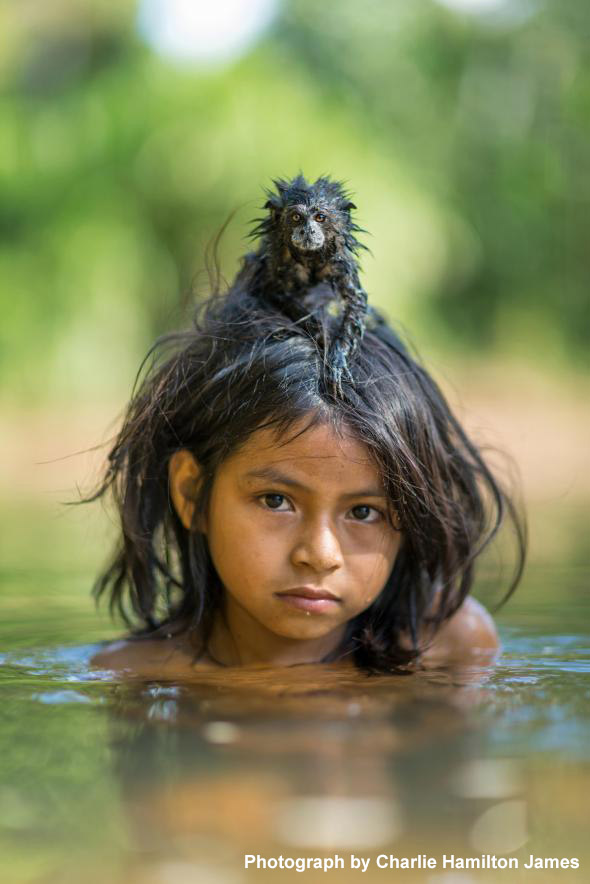
A pet saddleback tamarin hangs on to Yoina Mameria Nontsotega as the Matsigenka girl takes a dip in the Yomibato River, deep inside Peru’s ManuÌ National Park. Photo by Charlie Hamilton James.
Out of 2,290,225 photographs by 91 photographers, National Geographic picked the 52 best images of the year.
Looking for an extra special gift for a photographer? Sign them for a total immersion nature photography workshop in Ohio, Michigan, or Colorado in 2017. Workshops are one day to four days in length and cost $90 to $400. Send no money now. This is a no risk gift.
Lela Rae is a stunning model to work with so it was a special treat for her to make the drive from Detroit to Ohio of us to spend some time working together.
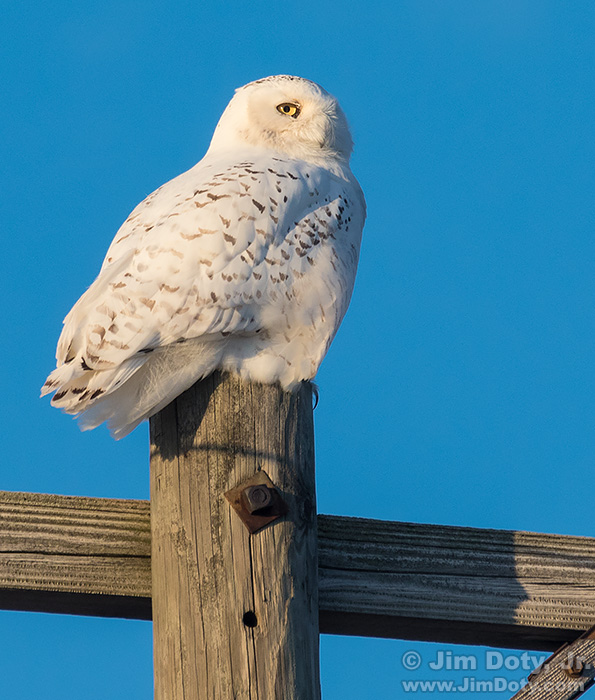
One of the great things about winter is the return of the Snowy Owls. They are now back in the far northern U.S.
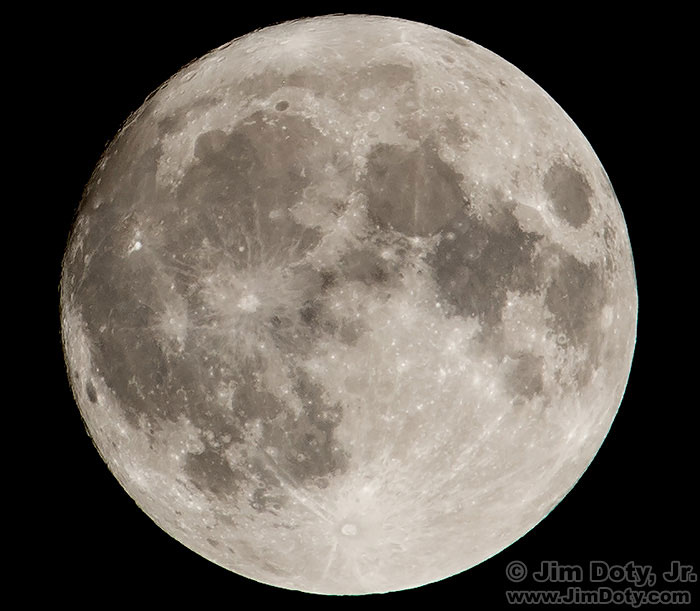
November 13-14, 2016 is a Super Moon. For many people this is the biggest super moon in their lifetime. Go out and look Sunday night, early Monday morning (before moonset), or Monday night.
There are times when you shoot in the direction of the sun that direct rays from the sun enter your lens even though the sun isn’t in the photo. Whenever this happens you have the possibility of sun flare. The sunlight bouncing around inside your lens can create ghost shapes, add a light haze to the image, and rob the photo of color.