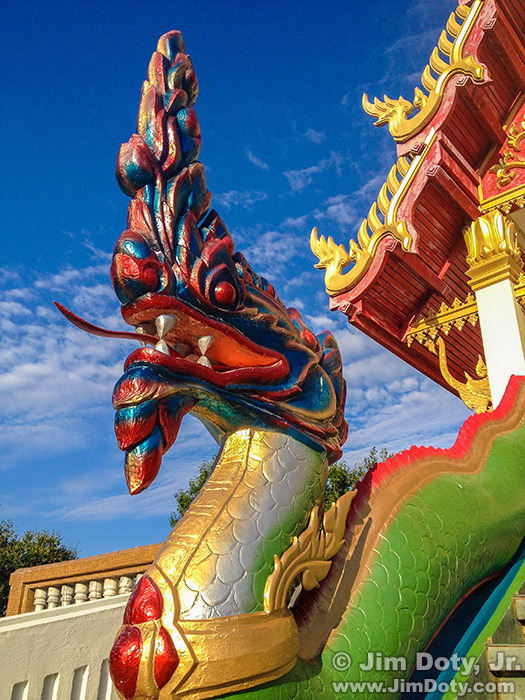
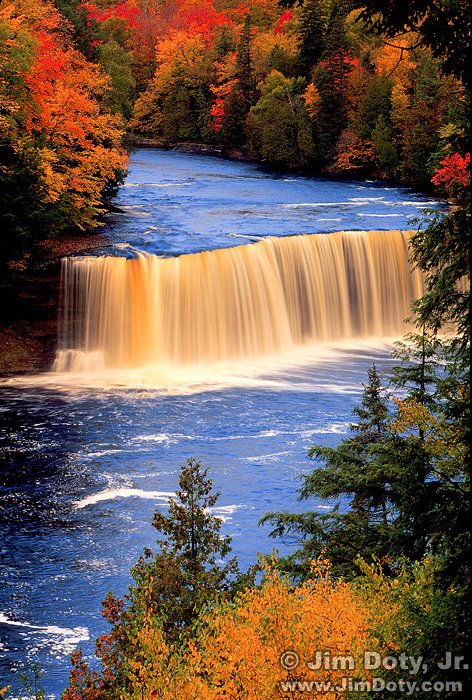
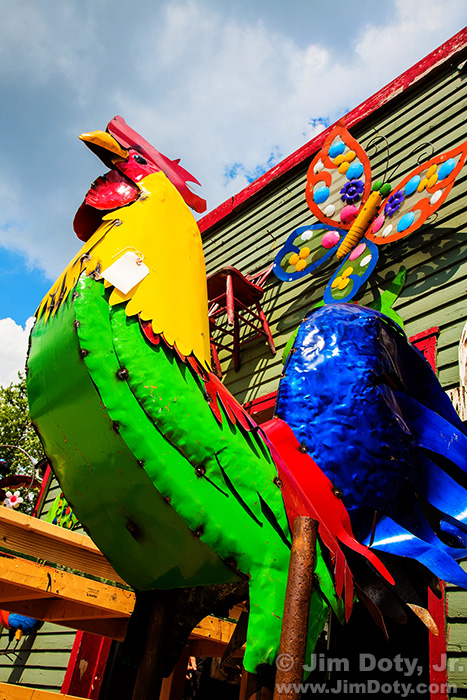
On the way home from my photography workshop in Northern Michigan, my eyes were drawn to all kinds of vivid colors as I drove through the village of Elmira. I made a mental note to stop and take pictures the next time I was up that way. (If you have been in one of my recent workshops – I was going to put a reminder in “Field Notes” the next time I stopped for a break.)
Category Archives: Photo Locations
Colorado Fall Color Travel Guide
UPDATE: The most recent and updated version of this article is here.
Welcome to my first Colorado fall color travel guide with 99 photos and 17 maps. I cover some of the best known fall color locations in Colorado, and one real gem of a road that is mostly unknown to photographers and leaf peepers. Spend anywhere from two days to two weeks exploring the beautiful Colorado Rockies at a gorgeous time of year.
Protect Your Camera Gear in the Cold and Snow
Cold and snow can cause a lot of damage to your camera gear. A few simple steps could save you hundreds of dollars in repair bills.
Metering Wildlife in the Snow, Part One
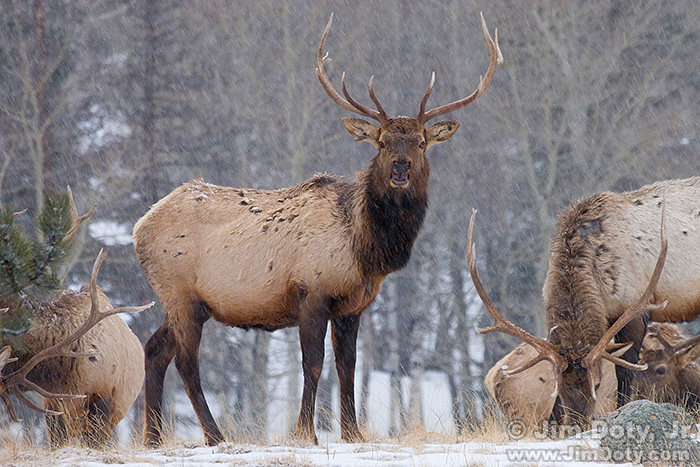
Metering dark toned wildlife in the snow is a major exposure challenge. It is usually best to avoid large “burned out” areas (washed out, featureless white) in a nature or landscape photograph, but with properly exposed snow, the wildlife can be so dark as to lose all texture. On other hand, metering for the wildlife can burn out the snow.
Metering Daytime Winter Scenes
Metering for scenes with a lot of snow can be tricky since the bright snow fools the camera meter. I see a lot of winter photos with gray snow, which means the camera meter did exactly what it was designed to do and the camera owner didn’t know how to use exposure compensation. The solution is quite simple provided you know what to do.
POTD: Vermilion Lakes Reflection
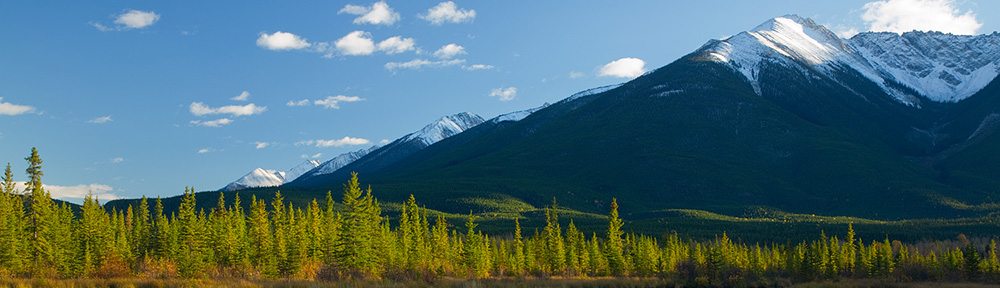
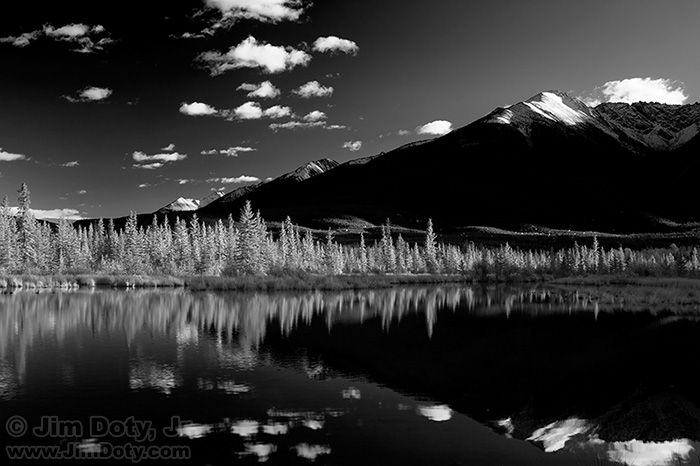
Vermilion Lakes (a string of three side by side lakes) just outside of the town of Banff, Alberta is a great landscape location. On this particular day the light was beautiful. Evergreens are usually quite dark in a photograph but the low side-lit angle of the sunlight was trans-illuminating the evergreens so they glowed a bright green. The lightly dimpled lake was just calm enough to give me a nice, slightly blurred reflection.
POTD: Mt. Sneffels and the Sneffels Range
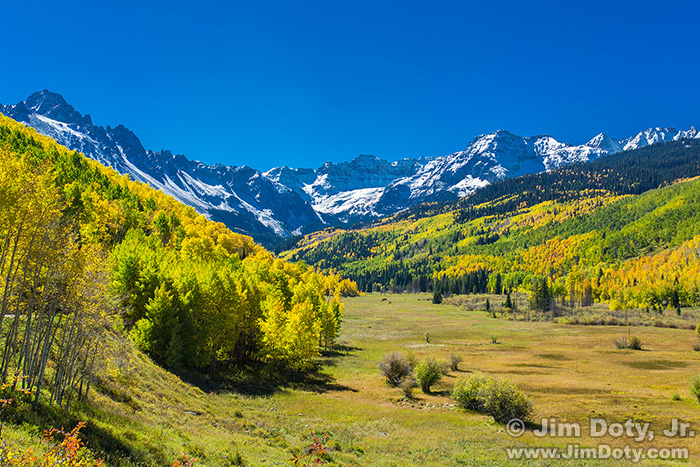
Mt. Sneffels is one of the most photographed peaks in Colorado. One of the best locations to create some images is along County Road 7 (Dallas Creek).
Authenticity in Civil War Photography
Civil War reenactors go to great efforts to make sure their clothes and equipment are authentic to the era. So if you want your reenactment images to look authentic it is important that you pay attention to the background. Any large farm equipment, civilian clothes (including cargo shorts), small digital cameras, buildings, and paved streets need to be authentic to the 1860s. And of course if you want a really authentic look, convert your image to black & white.
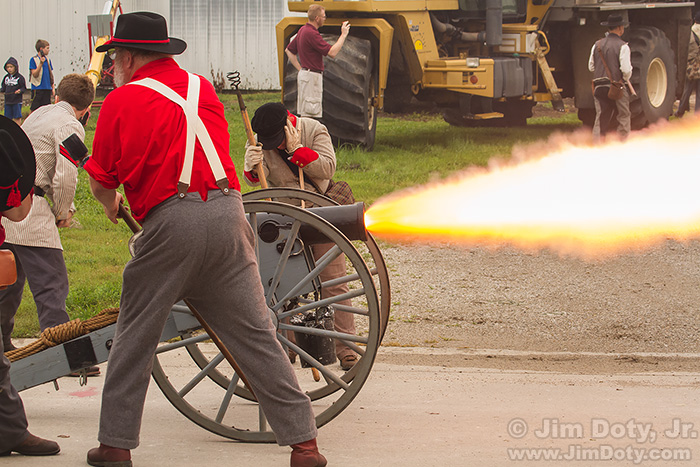
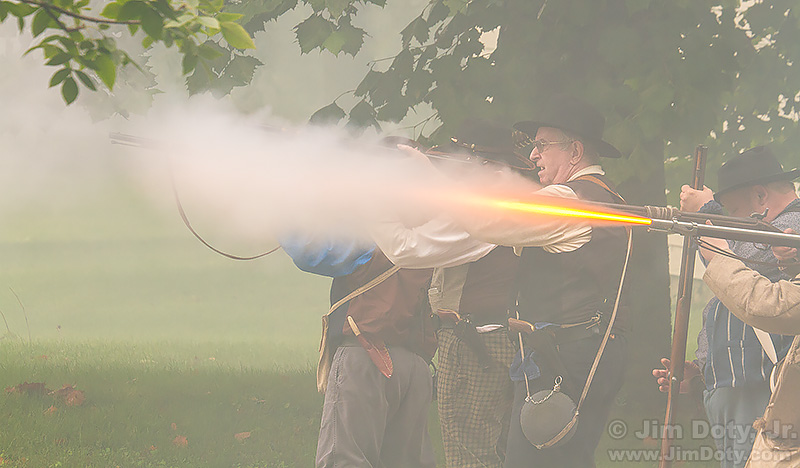
Civil War Days: How to Capture a Muzzle Flash
A Civil War reenactment means catching some of the action. Catching a muzzle flash is ideal. How do you do this? You need the right kind of event, a good shooting location, and the proper technique.
Finding the Peak Fall Color at the Best Locations
Fall color is sweeping the country. To make the most of it, you want to be at the right place at the right time. With some help from the internet, I will help you find the best fall color locations at the peak of the season.
A Photography How To: “Jewel Box Lighting” at the Franklin Park Conservatory
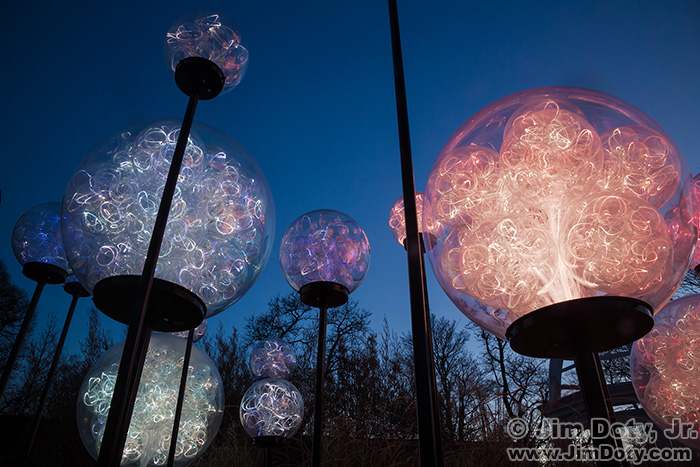
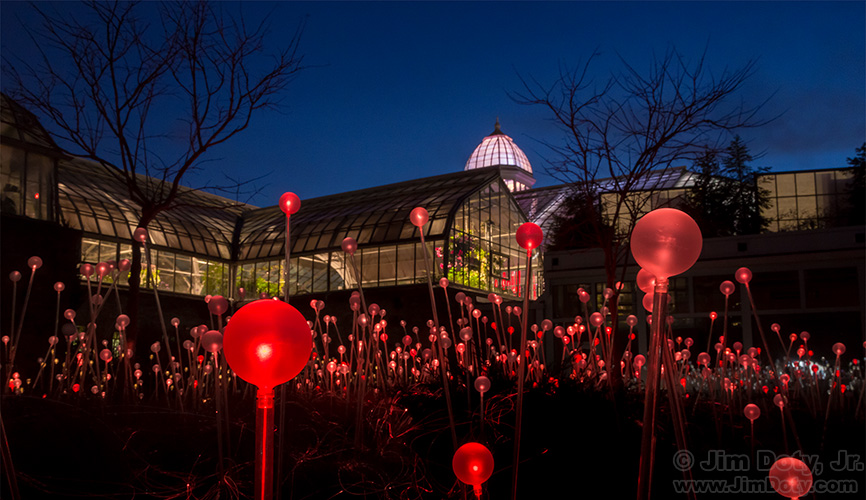
Jewel Box Lighting is the art of combining lights, lighted buildings, or lighted objects with a deep blue evening sky. It is a great way to do photography and the exhibit this week at the Franklin Park Observatory is a wonderful opportunity to practice this technique and come away with some unique and memorable images.
Bruce Munro Light Exhibit, This Is The Last Week in Columbus Ohio
This is the last week to see “Bruce Munro: Light” at the Franklin Park Conservatory in Columbus Ohio. The exhibit ends March 30.
“Where Were You When You Took Those Photos?”
Today I was asked by a client where I was when I took some photos in Banff National Park. I was able to provide him with the exact locations, complete with marked satellite images. It is a good idea to known where you were when you created your most important images, and the more specific the information the better. It is good info to have for your own use and sometimes it can make the difference between whether or not one of your images is published.
Metering Evening Winter Scenes
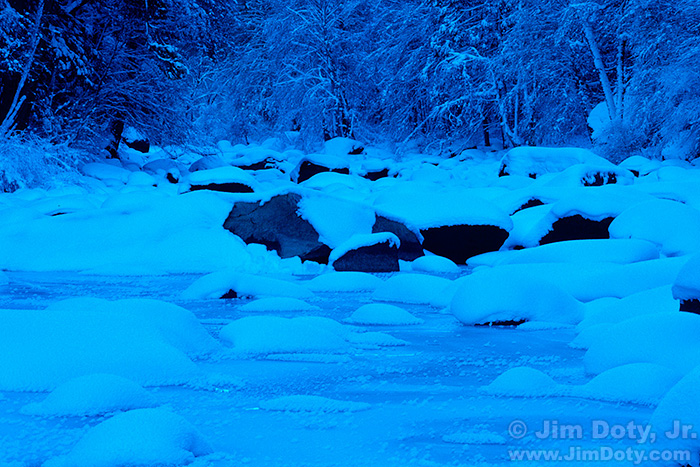
Just like metering daytime winter scenes, the key to metering evening winter scenes is knowing what to meter and deciding how much exposure compensation to use.
Metering Wildlife in the Snow
Metering dark toned wildlife in the snow is a major exposure challenge. It is usually best to avoid large “burned out” areas (washed out, featureless white) in a nature or landscape photograph, but with properly exposed snow, the wildlife can be so dark as to lose all texture. On other hand, metering for the wildlife can burn out the snow.
Metering Snowy Winter Scenes
UPDATE: A revised and expanded version of this article can be found here.
Metering for scenes with a lot of snow can be tricky since the snow fools the camera meter. I see a lot of winter photos online with gray, underexposed snow, which means the camera meter did what it was designed to do and the camera owner didn’t know how to use exposure compensation. The solution is quite simple provided you know what to do.
A February Night in Rocky Mountain National Park
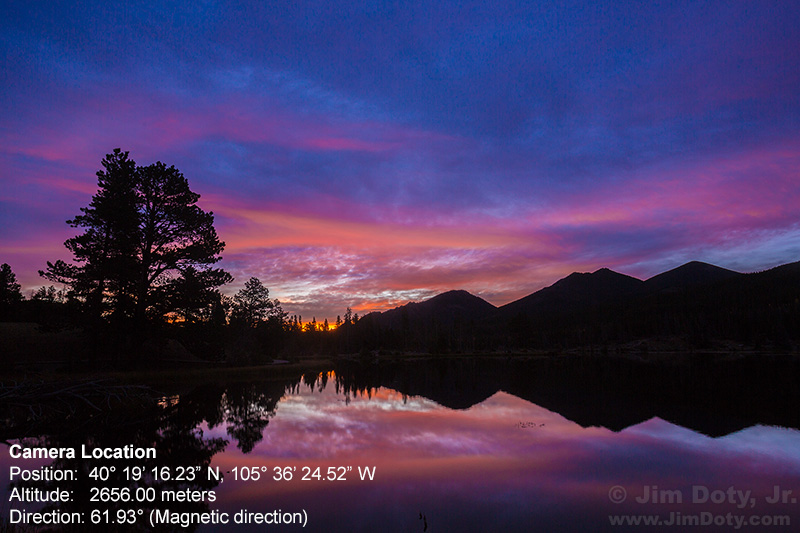
Rocky Mountain National Park can be beautiful any time of year, including late February when I created this image. It’s not too late to catch the splendor of a RMNP winter, and February is a good month to go.
This is Your Year to Photograph Snowy Owls
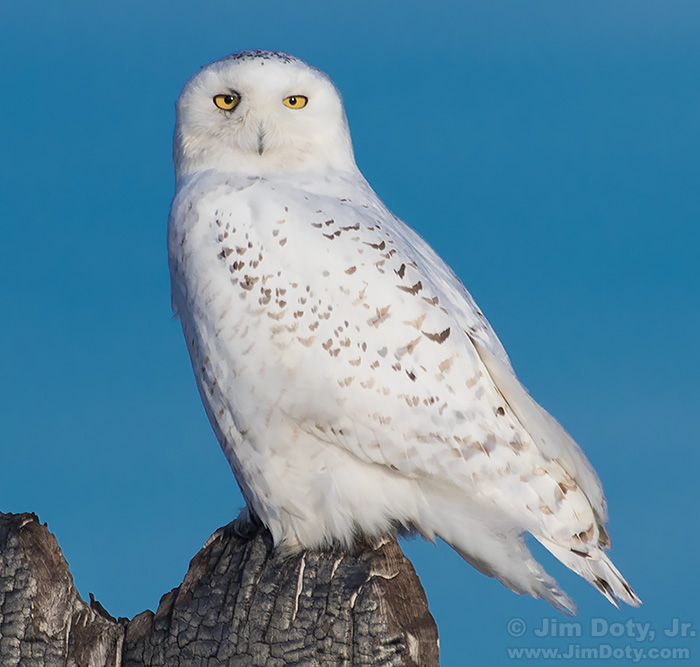
This is your year to photograph Snowy Owls since this is one of the best years ever for Snowy Owl sightings in the U.S., especially in the Northeast (map above). Snowy Owls are ranging much farther south than usual this winter.
Finding the Peak of Fall Color at the Best Locations
Fall color is sweeping the country. To make the most of it, you want to be at the right place at the right time. With some help from the internet, I will help you find the best fall color locations and arrive at the peak of the season.
“Shoot What God is Giving You”
Sometimes you head out with one photographic plan in mind and need to switch to another. As Dewitt Jones often puts it: Â “If you go out to shoot waterfalls and Nature (God) is giving you clouds that day, shoot clouds!”
The “One Sunrise Per Day” Limit
For landscape photographers, the “one sunrise per day” limit can be a real challenge, especially when you have several excellent locations to choose from. The same goes for the “one sunset per day” limit. Sunrise and sunset usually have the best light of the day. Photography would be so much easier if we had a couple of sunrises and sunsets per day.
Five Southern Utah “Parks” in One Day
When I left home headed for Northern California I had no intentions of being in Southern Utah. By the time I reached Denver, snow in the forecast for N. Utah, Nevada, and the mountain passes in N. California made a detour much more appealing than fighting snow on I-80, especially since I have never been to the spectacular parks and monuments in Southern Utah.
How To Photograph City Lights at Night From a Commercial Jet
There are serious challenges to photographing city lights at night from a commercial jet. Here are some suggestions that will help.
Metering Evening Winter Scenes
Just like metering daytime winter scenes, the key to metering evening winter scenes is knowing what to meter and deciding how much exposure compensation to use.
Metering Snowy Winter Scenes
Metering for scenes with a lot of snow can be tricky since the snow fools the camera meter. I see a lot of winter photos online with gray, underexposed snow, which means the camera meter did what it was designed to do and the camera owner didn’t know how to use exposure compensation. The solution is quite simple provided you know what to do.
POTD: Vermilion Lakes Sunset
Bad weather can lead to great sunsets. It was rainy day with a leaden gray sky when I picked up my coat, photo backpack and tripod to leave the “fireplace room” at the bed and breakfast in Banff. Some of the other guests asked if I really expected to get any good pictures in the bad weather. “I hope so!”
POTD: Last Light on Mount Rundle
This is a lesson in patience. Most photographers missed this sunset. I was on location four separate evenings hoping to capture stunning sunset light on Mount Rundle. It only happened once. It also helps to know where to be, when, and how to meter in high contrast lighting situations.
How to Find the Fall Color Peak at the Best Locations
Fall color will soon be sweeping the country. To make the most of it, you want to be at the right place at the right time. With some help from the internet, I will help you find the best fall color locations and arrive at the peak of the season
Fountain Kiss, Bicentennial Park
I was working on my last photo of the day for the “Picture Today, Inspire Tomorrow” project on May 15 at ADAY.org (more info here). When I planned my day, I wanted to end up at the fountain at the new Bicentennial Park in Columbus, Ohio. It is a great place to take pictures. As I visualized the image ahead of time, children would be playing at the fountain, creating blurry silhouettes. I already have a “children in the fountain” photo in my files, but all photos had to be taken on May 15.
Best Books: Desert Solitaire by Edward Abbey
If you are heading for Arches and Canyonlands National Parks (and you should if you are a photographer), I highly recommend you read Desert Solitaire by Edward Abbey before you go. No other book will give you quite the feel that Abbey does for what this harsh and unforgiving land was like more than a half century ago before it became more accessible to the average tourist.