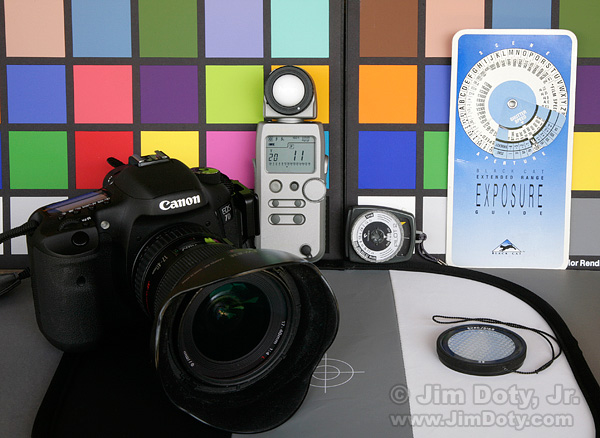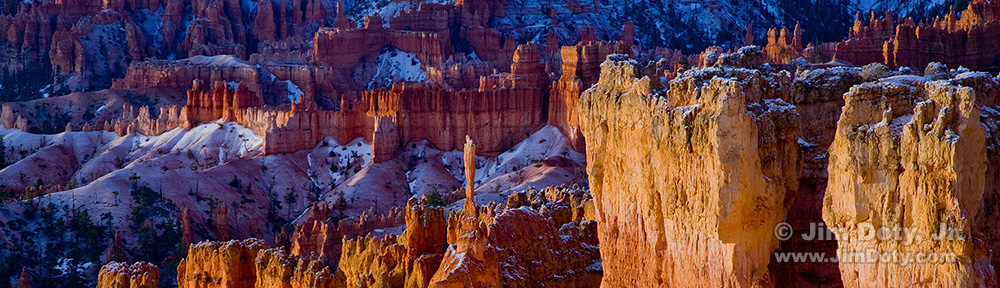
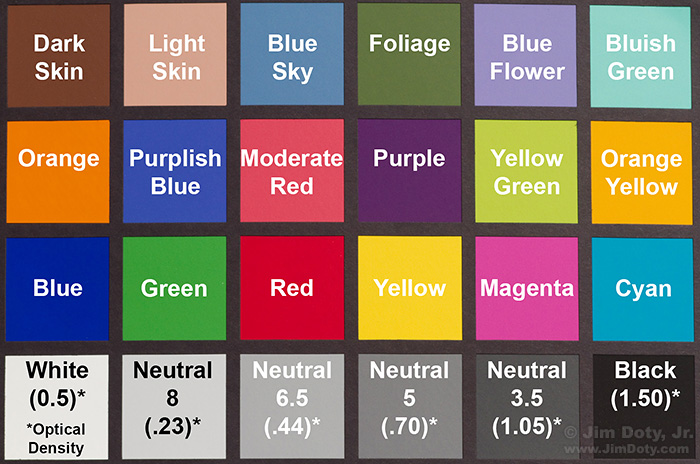
When it comes to your digital camera, the better your metering skills, the better your colors will be. If you learn how to master exposure, you will get the best possible colors your camera is capable of producing. Why not put your camera on auto exposure and then correct the exposure on the computer? Because you won’t get the best colors. In auto exposure mode your camera is designed to give you average exposures, not the best exposures. This is very important: If you don’t nail the exposure in the camera, the colors in a photo will shift in different directions and no amount of computer work will bring them back. This is one of the best kept secrets of great color and it is why professional landscape, fashion, and advertising photographers are obsessive about exposure. There is no getting around mastering exposure if you want great color.
Category Archives: Metering
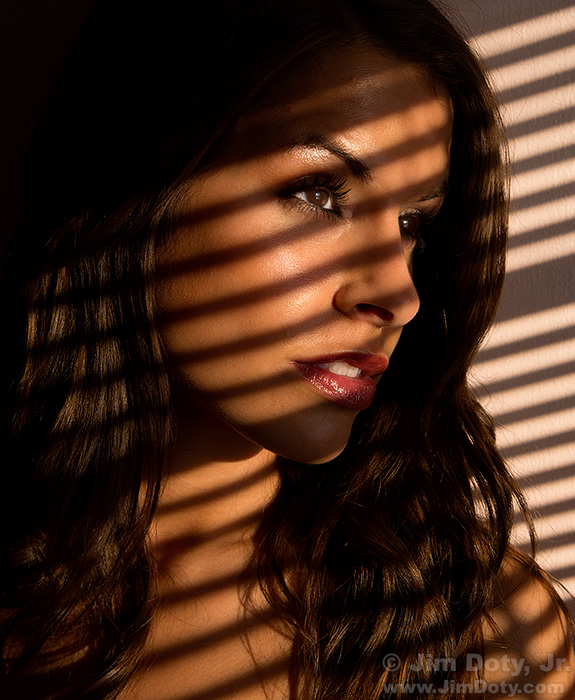
How to Create a Portrait Using Window Blind Shadows
One of the things I like about winter is the sunlight streaming through one of my studio windows at a low enough angle to create window blind shadows portraits. In the summer the sun is too high for me to do this and get the angles I want.
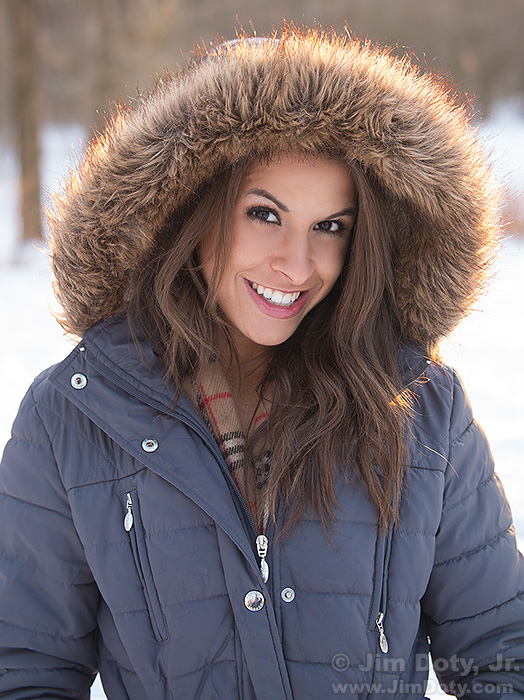
Metering People in the Snow
The snow in a winter scene will often fool a camera meter into underexposing a photo, so here are the steps to take to get the right exposure. I throw in a few portrait suggestions too.
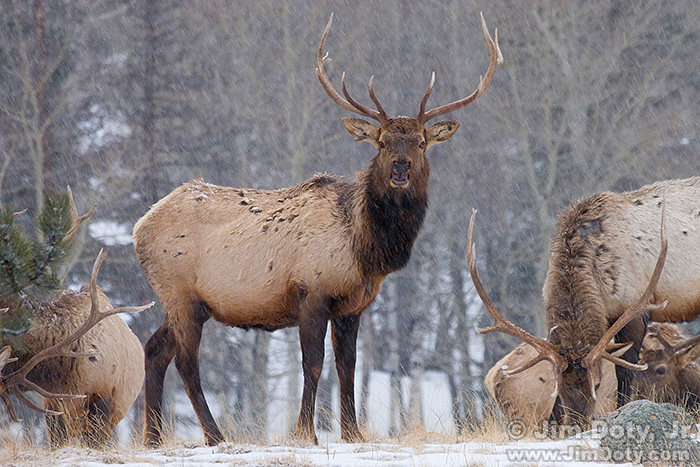
Metering Wildlife in the Snow
Metering dark toned wildlife in the snow is a major exposure challenge. It is usually best to avoid large “burned out” areas (washed out, featureless white) in a nature or landscape photograph, but with properly exposed snow, the wildlife can be so dark as to lose all texture. On other hand, metering for the wildlife can burn out the snow.
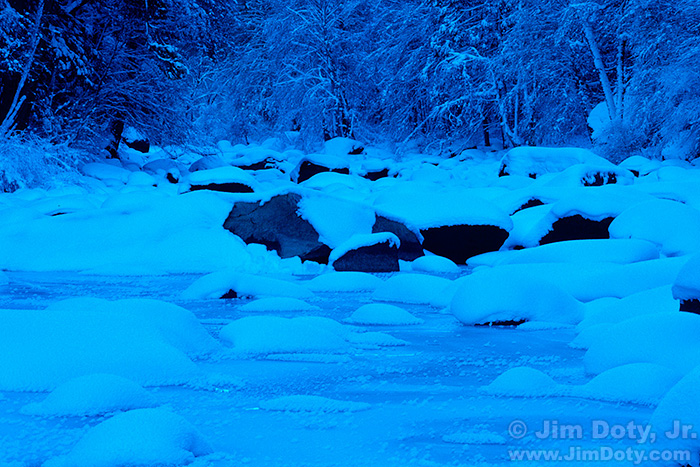
Metering Evening Winter Scenes
Just like metering daytime winter scenes, the key to metering evening winter scenes is knowing what to meter and deciding how much exposure compensation to use.
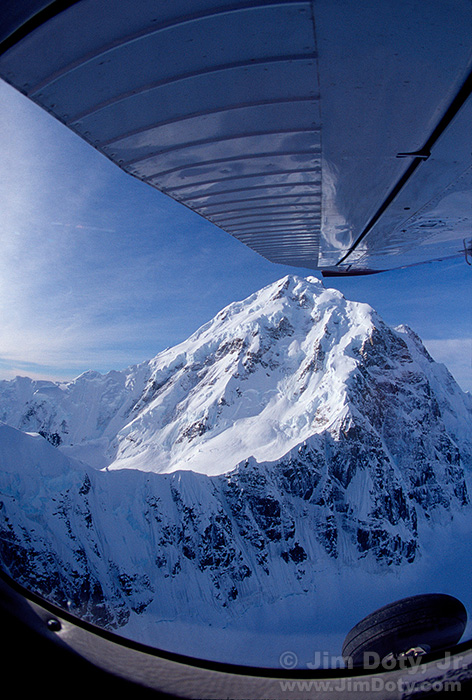
Metering Snowy Winter Scenes
Metering for scenes with a lot of snow can be tricky since the snow fools the camera meter. I see a lot of winter photos online with gray, underexposed snow, which means the camera meter did what it was designed to do and the camera owner didn’t know how to use exposure compensation. The solution is quite simple provided you know what to do.
Recommended Incident Light Meters
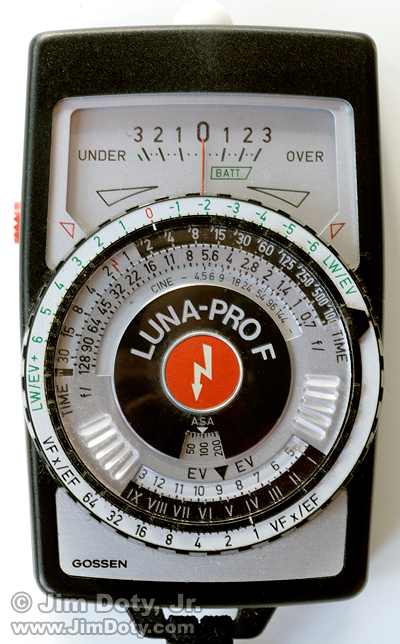
There’s no question that in some complex metering situations, an incident light meter can be quicker, faster, simpler, and more accurate than the meter in your camera. Many incident light meters can also measure light from an electronic flash, a huge bonus when you are using a flash in the manual mode.
POTD: Last Light on Mount Rundle
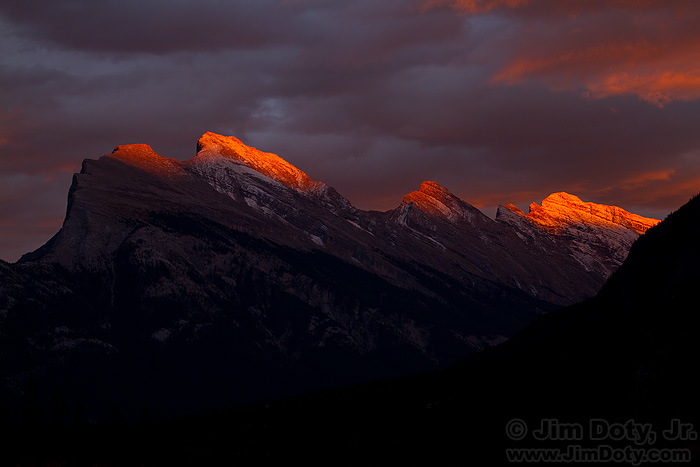
This is a lesson in patience. Most photographers missed this sunset. I was on location four separate evenings hoping to capture stunning sunset light on Mount Rundle. It only happened once. It also helps to know where to be, when, and how to meter in high contrast lighting situations.
Portraits During Events
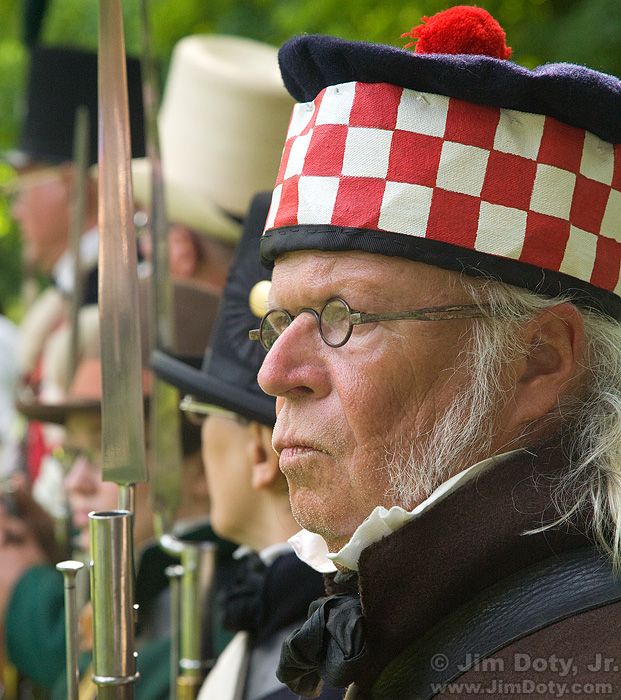
When doing photographic coverage of events, it is important to do some closeup portraits of people involved in the event. I always look for participants with interesting faces.
Fountain Kiss, Bicentennial Park
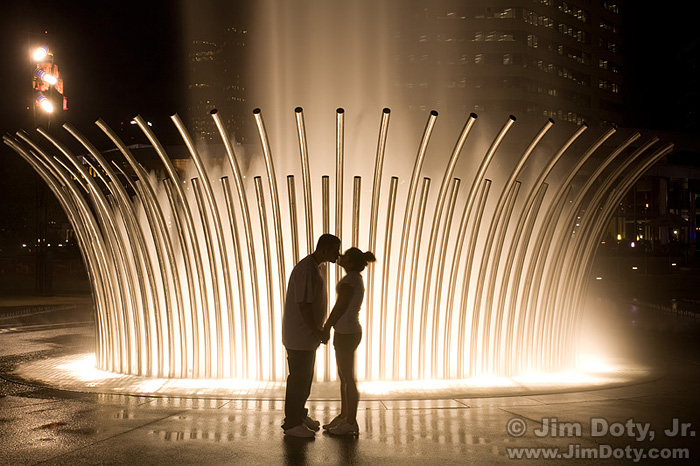
I was working on my last photo of the day for the “Picture Today, Inspire Tomorrow” project on May 15 at ADAY.org (more info here). When I planned my day, I wanted to end up at the fountain at the new Bicentennial Park in Columbus, Ohio. It is a great place to take pictures. As I visualized the image ahead of time, children would be playing at the fountain, creating blurry silhouettes. I already have a “children in the fountain” photo in my files, but all photos had to be taken on May 15.
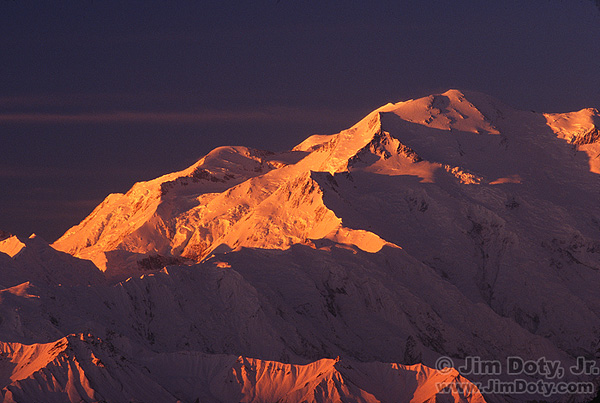
Denali: Capturing Great Morning Light
Mastery of light is a key to great photography of any kind. Anticipating great light in order to be in the right place at the right time is one of the keys to great landscape photography. I was searching for great light on Denali (or Mt. McKinley as it is called in the lower 48).
POTD: Last Light on El Capitan
Yosemite National Park is a spectacular place to visit in any season of the year. If you are there in the winter, the ideal time to create images is right after a snowfall when snow coats the trees.
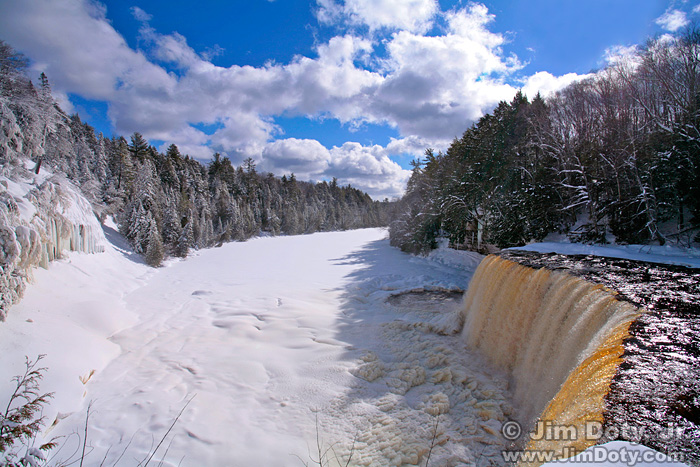
POTD: Upper Tahquamenon Falls, Winter
Tahquamenon Falls State Park in Michigan’s Upper Peninsula is a great place to visit any time of the year, including winter. This view from the lip of the Upper Falls looks down the Gorge at the snow and ice covered Tahquamenon River.
Lens Apertures and Depth of Field
One of the wonders of exposure is that dozens of aperture, shutter speed, and ISO combinations can provide exactly the same exposure (the overall lightness or darkness of an image), but very different artistic “looks”. Experienced photographers know which exposure combination to choose to get the image they want. Inexperienced photographers who leave the camera on program mode are turning all of the artistic decisions over to a computer chip.
Header Photo: Last Light on the Spanish Peaks
The photo in the header of this blog (as of Dec 24) is the Spanish Peaks above the little town of LaVeta Colorado. As a small boy growing up in Colorado, a view of the Spanish Peaks greeted me every morning from our living room window.
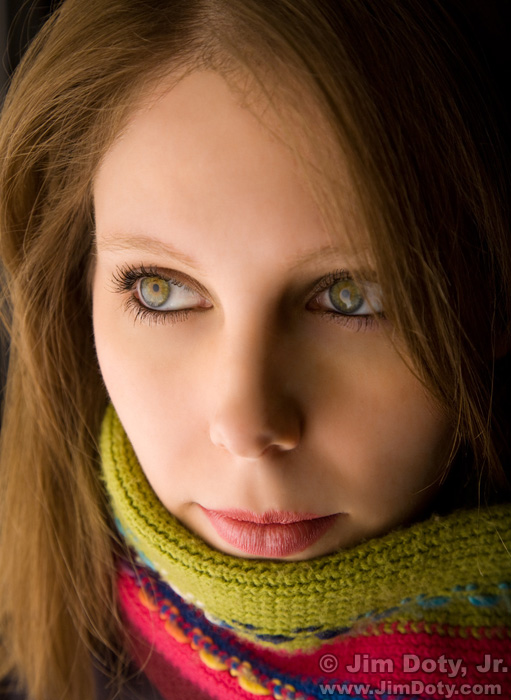
POTD: Window Light Portrait, Part 2
There is a reason photographers like soft window light. It is great for all kinds of subjects, like the young woman above and the photo of a 2 week old infant in a prior post.
POTD: Studio Portrait
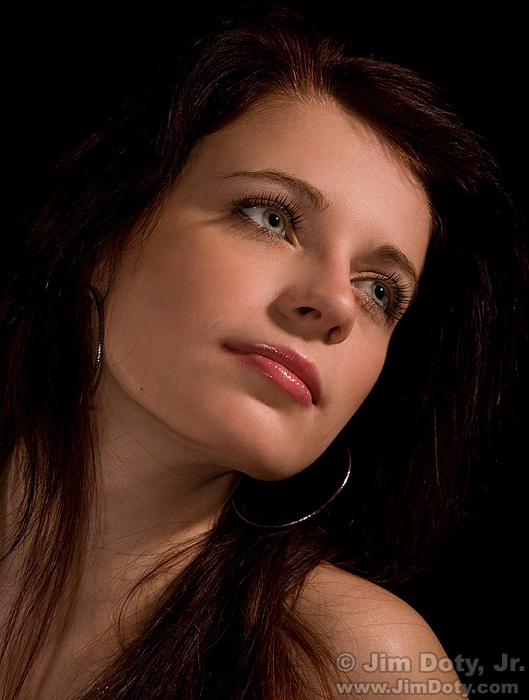
It doesn’t take a lot of lights to create a portrait. The portrait above was created with two studio lights. This is how the photo was created.
Speaking Your Camera’s Language: Aperture, Shutter Speed and ISO
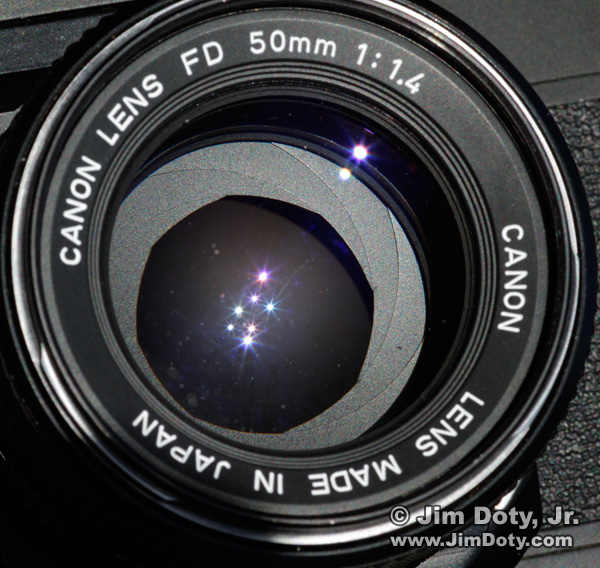
Mastering exposure is a huge step toward better images. But to make your camera do its exposure tricks, you need to speak its language, and it’s not hard to learn. Apertures, shutter speeds, and ISO settings are exposure’s “Big 3”. Not only are they the key to technically correct exposures, they are the experienced photographer’s secret weapon in the pursuit of creative, dynamic images.
You can learn the language of exposure in this article which is part of an ongoing series of exposure articles which are linked on this page.
Incident Light Metering on the Cheap
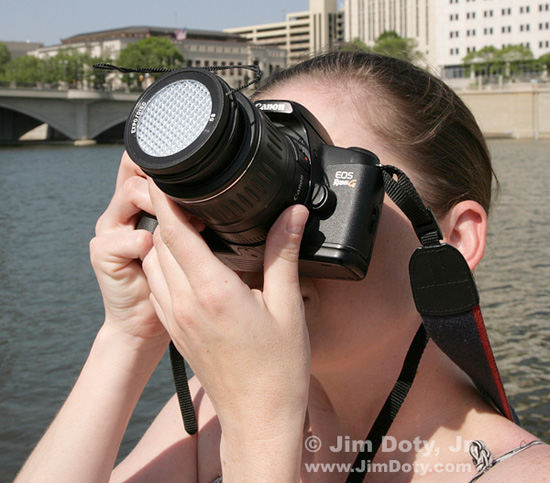
A simple $12 accessory will do most of the work of a $300 incident light meter. Hard to believe? Keep reading.
Turn Your Camera Into An Incident Light Meter
There are a lot of advantages to using an incident light meter, and you can read about them here. But what if you don’t have an incident light meter? Or you are packing light and don’t want to take your incident light meter with you? There are several less expensive alternatives.
Simplify Your Life with an Incident Light Meter
There’s no question that in some complex metering situations, it can be tough to figure out the best exposure with the meter in your camera. An incident light meter can be quicker, faster, simpler, and more accurate in some of those same situations.
Using Your Camera’s Light Meter
Taking charge of exposure is one of the best indications someone is getting serious about the quality of their images. Learning the ins and outs of the camera’s reflected light metering system is a great way to start.