POTD: Sabrina

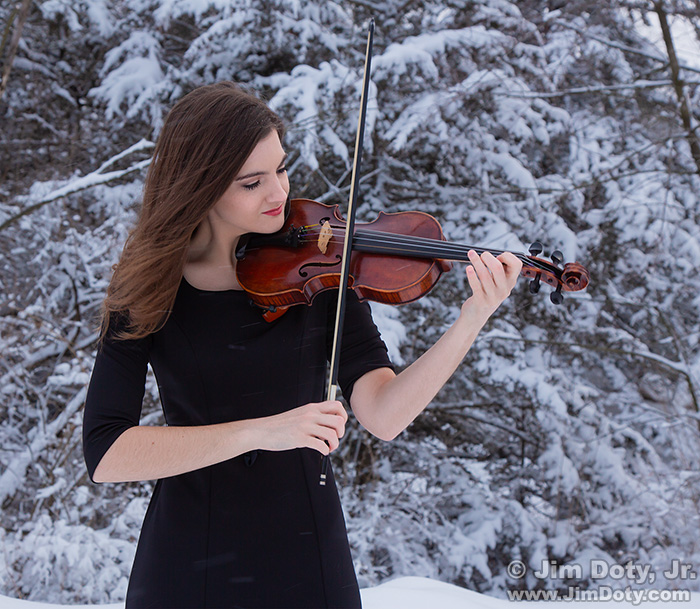
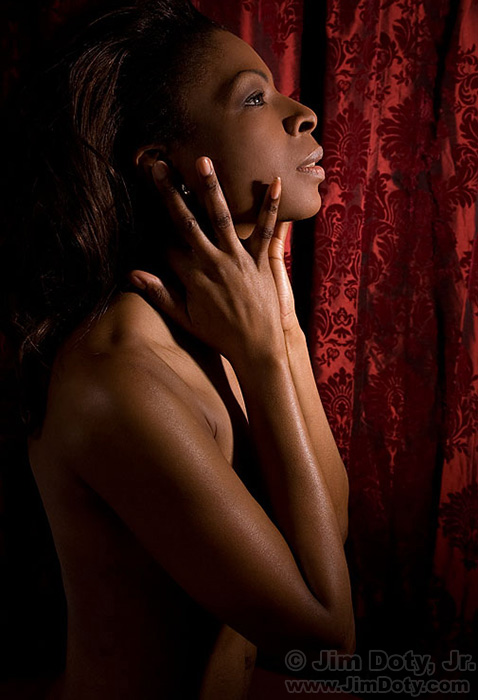
Sabrina

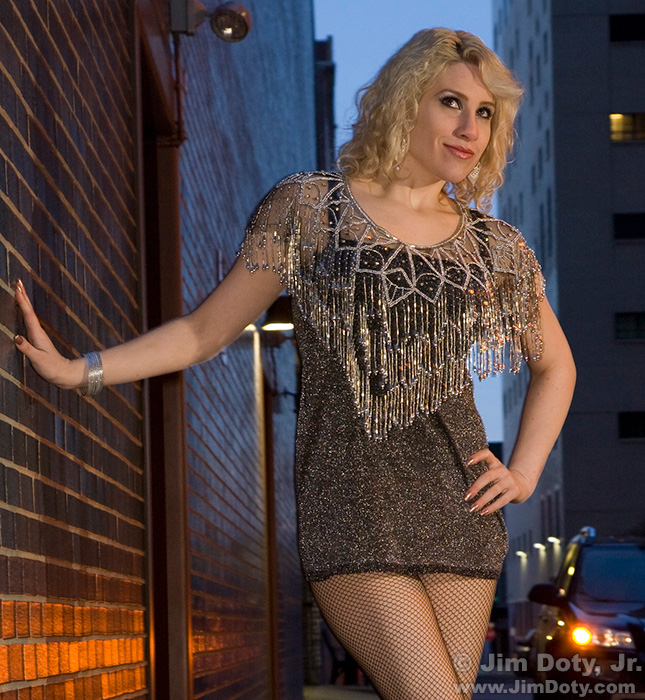
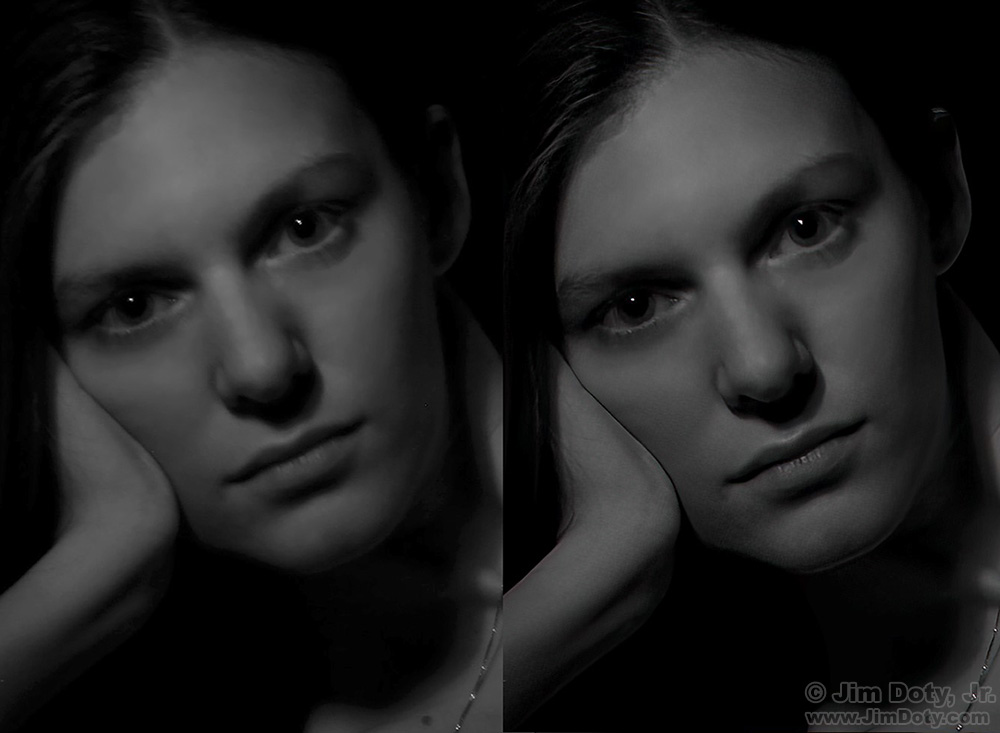
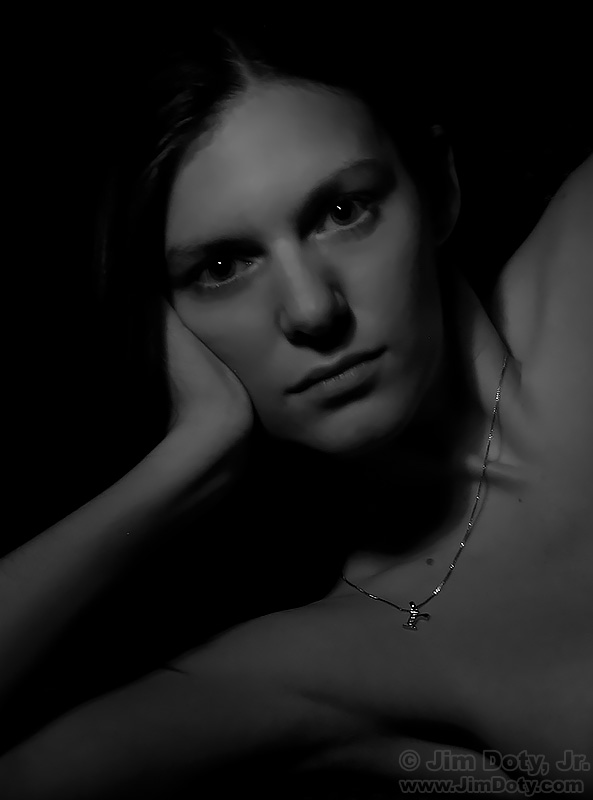
This Picture of the Day was created with a simple one light set up. The studio flash was directly in front of Sabrina’s face to camera right. I usually have my main light above the subject’s face and bounced out of an umbrella which creates a more appealing image, but there are times the rules need to be broken. For this image it worked best for the direct light of the flash (no umbrella) to be level with her face.
Keeping Track of Photo Locations with a Handheld GPS Unit

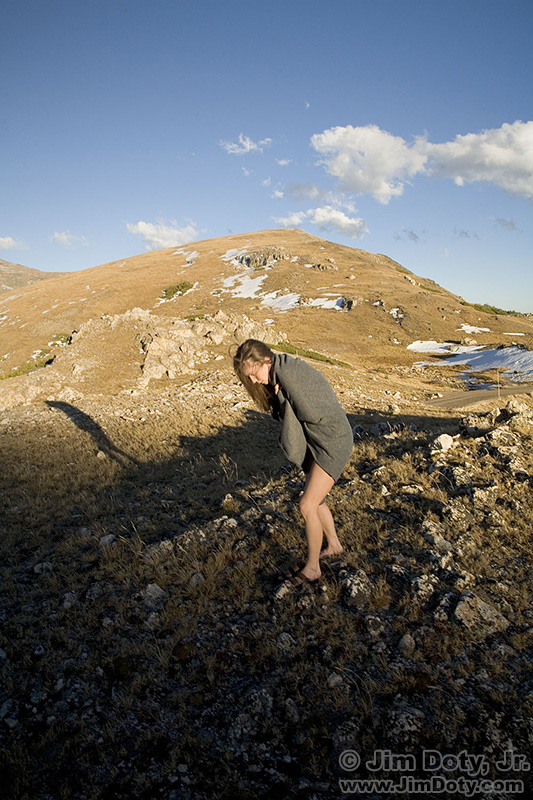
Sarah – “Outtake”, Colorado, October 5, 2007.

A chance look today at an old photo just sent me back in time, both photographically and technologically. It was bone chillingly cold and Sarah and I were doing figure studies high in the Colorado Rockies. (One of our images is at the end of this article.) Back in 2007 most cameras did not have built in GPS units and my primitive mobile phone did not have GPS capabilities either. But I still wanted to keep track of some important photo locations, and this spot was one of them.

Continue reading

Does Topaz Gigapixel AI Work?

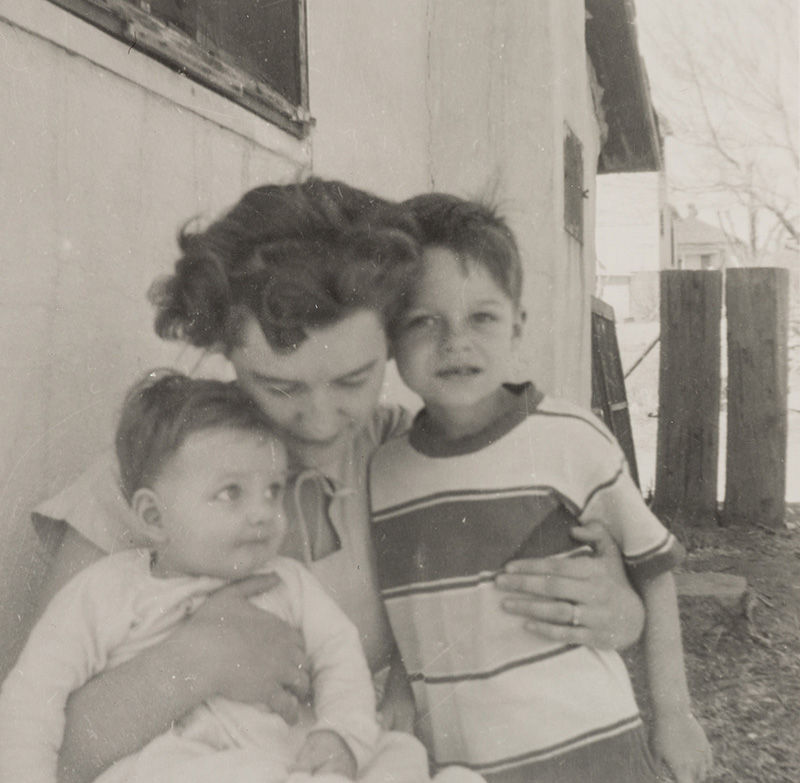
Early 1950s family photo.

I have acquired some small, old family prints that I would generally describe as “fuzzy”. They are not clean and sharp. Making small fuzzy photos bigger does not make them better, it makes them worse. As I was explaining to an inexperienced photographer, making a high resolution copy of a blurry photo does not make it better. It just means you can turn a small blurry photo into a much bigger and therefore much blurrier photo.

Continue reading

The Super Conjunction of Jupiter and Venus

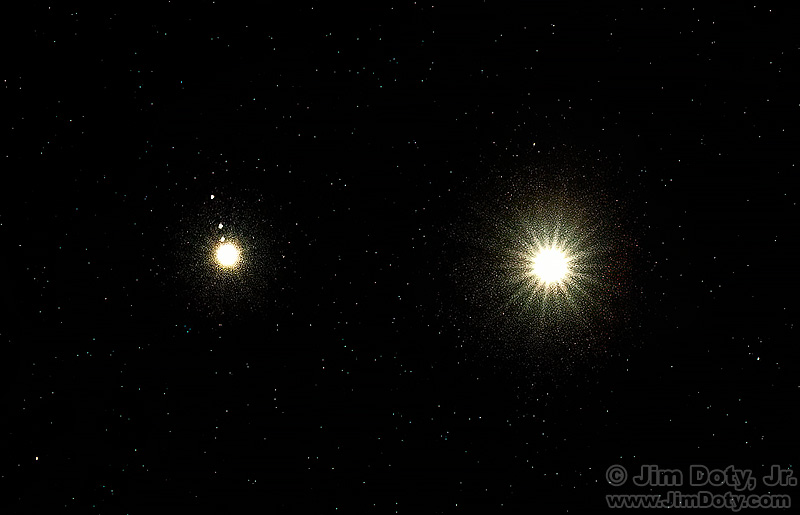
Jupiter with three Galilean moons (left) and Venus (right). Click the image for a somewhat larger version.

The super conjunction of Jupiter and Venus, March 1, 2023 at 7:24 pm. Venus and Jupiter pass each other on a regular basis so conjunctions aren’t rare. But this time they passed unusually close to each other, making it a Super Conjunction. They were 1/2 degree apart. They won’t be this close to each other again until February 2032. I had a telescope set up for my grandsons and they were thrilled to see three of Jupiter’s four “Galilean Moons” (named for Galileo who spotted them through his telescope). The Galilean Moons from top to bottom in this photo are Callisto, Ganymede, and Io. (Europa was not visible.)

Continue reading

Sami Lynn, A Valentine Portrait

Sami Lynn with rose petals.

It was a week and a half after Valentine’s Day and most of the dozen Valentine’s Day roses in a vase on the dining room table were done and had been thrown away, but a few were still looking good. I asked Sami to lay on the floor, handed her a long stemmed rose, and I carefully arranged her hair. Then I stood up and pulled the best looking petals off of more roses and randomly dropped them on her. Some didn’t land quite right so I re-positioned a couple of them.

Continue reading

More Help Finding and Photographing Comet ZTF (C/2022 E3)

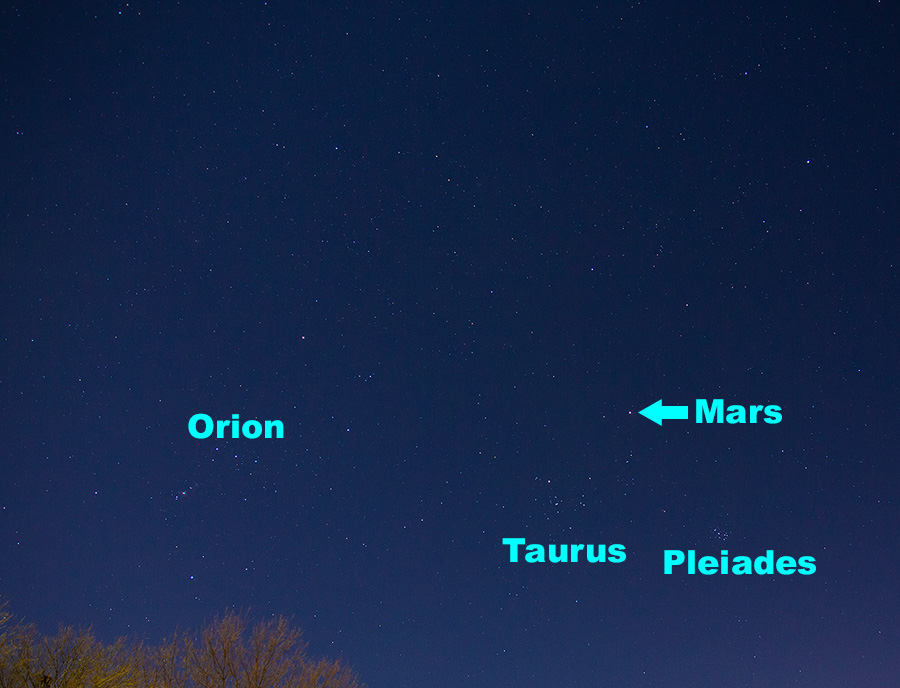
February 1: Northern night sky and Comet ZTF (C/2022 E3).

I have had such good lunch photographing prior comets I was eagerly looking forward to seeing and photographing Comet ZTF (C/2022 E3). This comet is such a big draw because it has not passed earth in 50,000 years and will not likely return again. When I finally had a relatively clear night February 1, I was outside and ready to go. I had a much harder time than I expected. I glassed the right area of the sky with binoculars and I could not find anything that looked like a comet. So I took pictures of the northern sky which you can see above. On the back of my camera I could not the comet. So I downloaded the memory can looked on my computer monitor.

Continue reading

How to Find and Photograph Snowy Owls

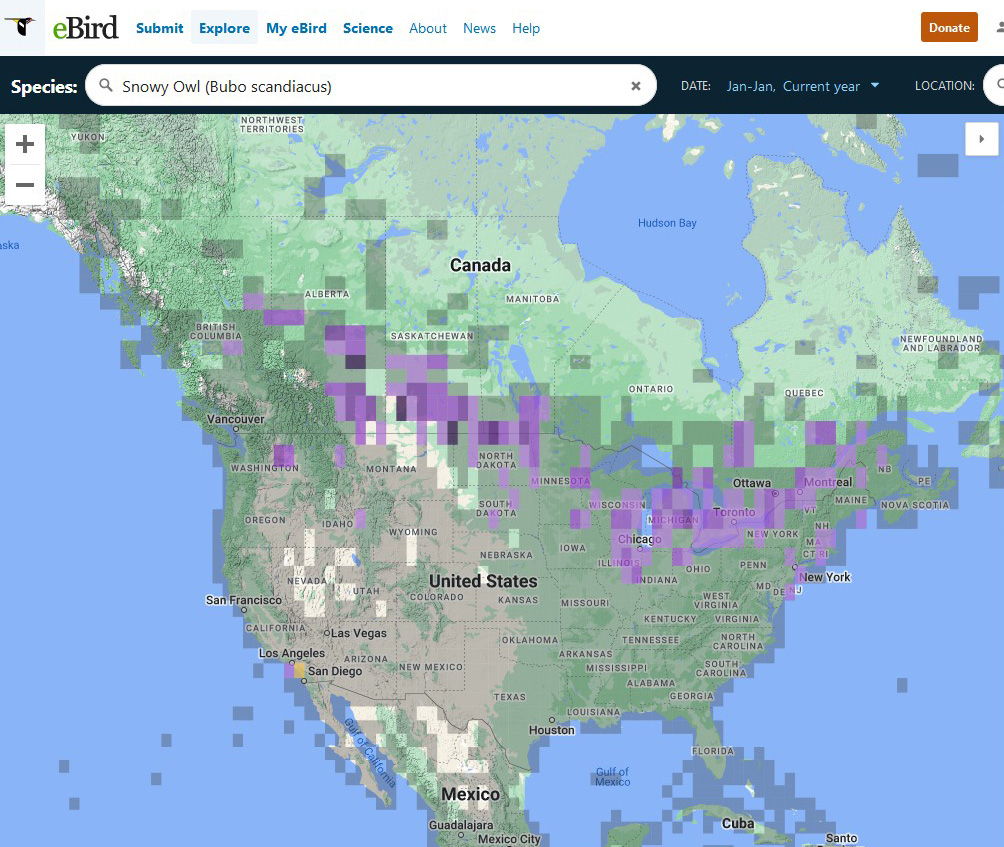
Snowy Owl sightings, January 2023. Click image for a larger version.

Winter is your opportunity to photograph Snowy Owls. When it is cold enough and there is enough snow cover, snowy owls move down into the northern U.S. The colder it is the farther south they move. If conditions are right, don’t delay. If the winter turns warmer the snowy owls will head back north.

Continue reading

How To Work With A Model (or Anybody Else) When The Windchill is 4°

Selina

Selina, Downtown Columbus Ohio. Windchill 4°.

You would think a windchill of 4° Fahrenheit (-16°C) would be too cold for a photo shoot, but not with some models. We booked this January shoot weeks in advance so we knew it would be cold, but we had no idea how cold until the day arrived. Here’s the story behind this image and how to work with a model (or anybody else) when it is so cold.

Continue reading

Testing Your Camera’s Snow Exposure Latitude

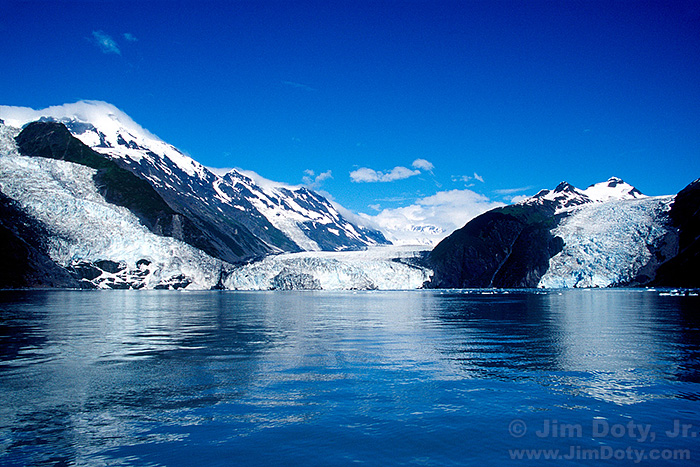
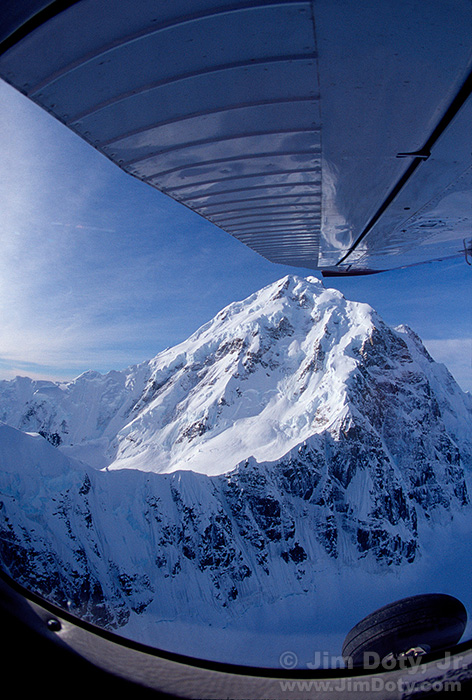
Cascade, Barry, and Coxe Glaciers

Cascade, Barry, and Coxe Glaciers, Prince William Sound, Alaska

The “snow exposure latitude” for every camera is different. You won’t find it in your camera’s manual but it is easy to determine with a do-it-yourself test. Why does it matter? If you don’t know the snow exposure latitude for your camera and how to apply it to your images, the color and quality of your winter photos will suffer.

Continue reading

Metering Wildlife in the Snow, Part Two

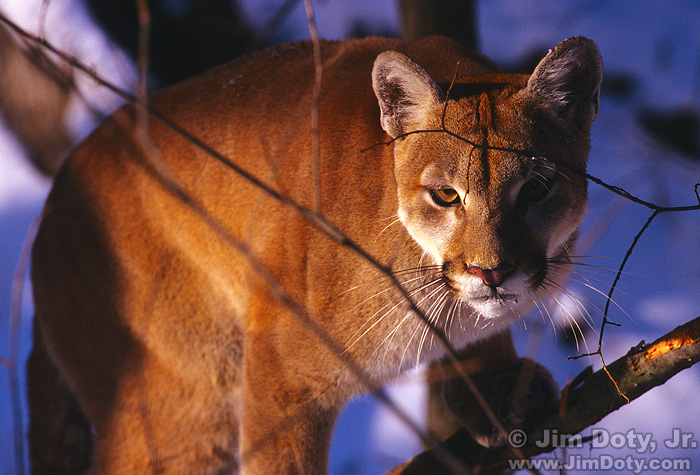
Cougar

Cougar

Most wildlife are medium to dark in tone, making them a challenge to meter properly in the bright, white tones of winter. If you trust one of your camera’s automatic exposure modes, the odds are good you won’t get the best exposure. If you switch over to manual exposure and make the right decisions, you can get great exposures and better quality photos (more about that later).

Continue reading

Metering Wildlife in the Snow, Part One

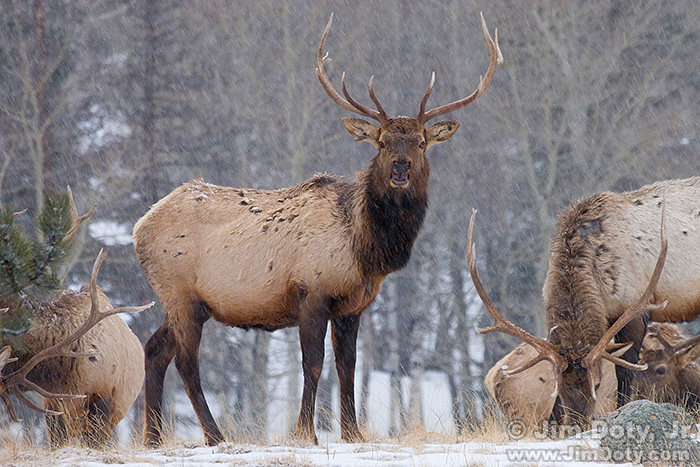
Elk in the Snow, Rocky Mountain National Park

Elk in the Snow, Horseshoe Park, Rocky Mountain National Park, Colorado

Metering dark toned wildlife in the snow is a major exposure challenge. It is usually best to avoid large “burned out” areas (washed out, featureless white) in a nature or landscape photograph, but with properly exposed snow, the wildlife can be so dark as to lose all texture. On other hand, metering for the wildlife can burn out the snow. So what do you do? And what about the complications of metering white animals?

Continue reading

How To Series: Winter Photography

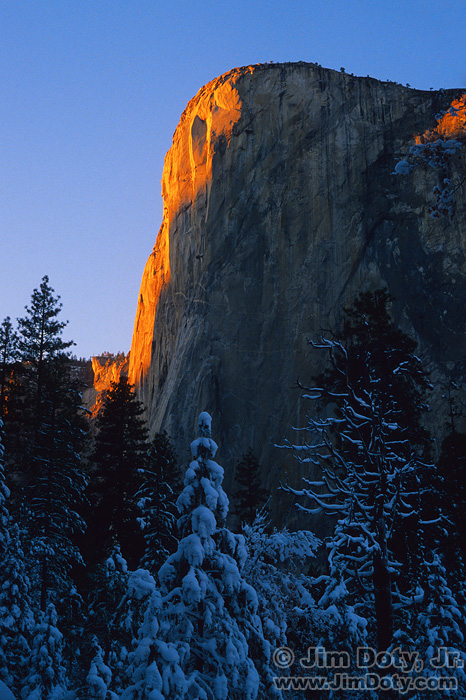
Last Light on El Capitan, Yosemite National Park

Last Light on El Capitan, Yosemite National Park

In addition to all of the usual photographic challenges, winter provides some extra complications, especially in terms of metering. So I began this series of articles on winter photography. Check out the links below. The articles will help you meet the unique challenges of winter photography. So get out there, have fun, and create some great winter images!

Continue reading

Andromeda Galaxy and its Satellite Galaxies

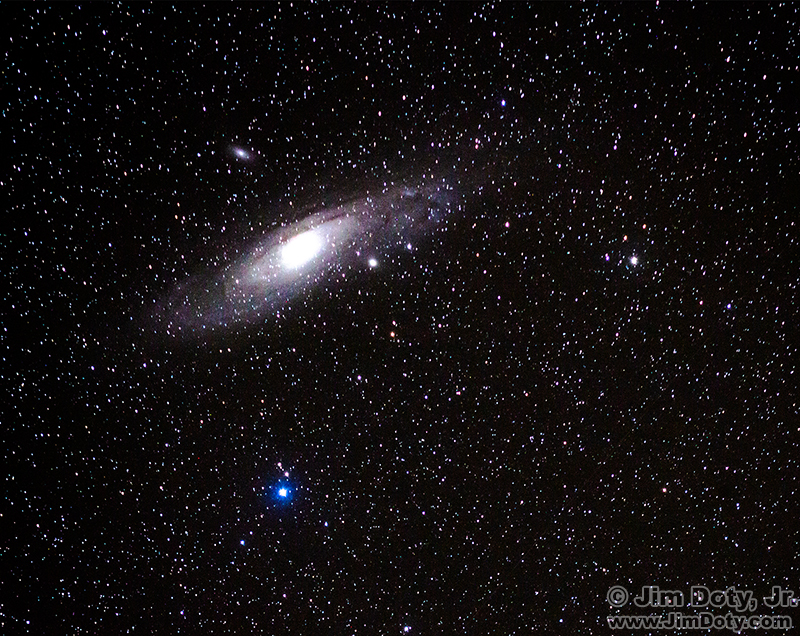
Andromeda and its satellite galaxies.

For me, December is not only the month for Christmas Season photos and portraits, on reasonably pleasant December nights with no wind it is the time of year to photograph the night sky. Winter has better night sky “seeing” than the other three seasons. Cold air holds less moisture to there is more visual clarity of the night sky. Unfortunately, where many of us live winter is also very cold so I do most of my winter night sky photography in December since it is usually more tolerable.

Continue reading

Rare Event: Tundra Bean-Goose in Iowa

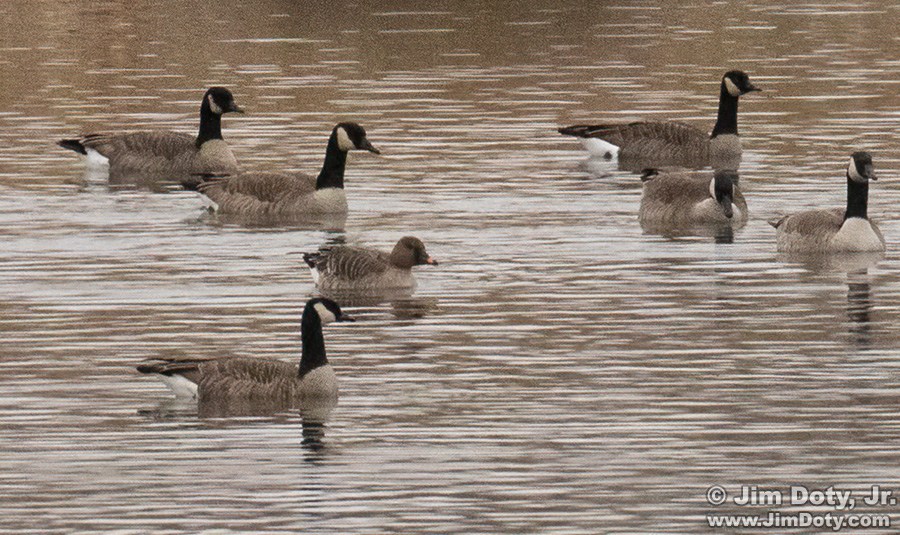
Tundra Bean Goose and Canada Geese, Big G Lake, Lamoni Iowa. Cropped from the original photo.

This is not a great photo, but it is a photo! For the last week a single Tundra Bean-Goose has been hanging out with Canada Geese at the lakes, farm ponds, and corn fields around Lamoni Iowa. This week is the first time ever this goose has been spotted in the state of Iowa. It should be in Northern Europe or Northern Russia so it is thousands of miles away from home. I finally spotted it yesterday.

Continue reading

My iPhone Photography Apps

My iPhone Apps

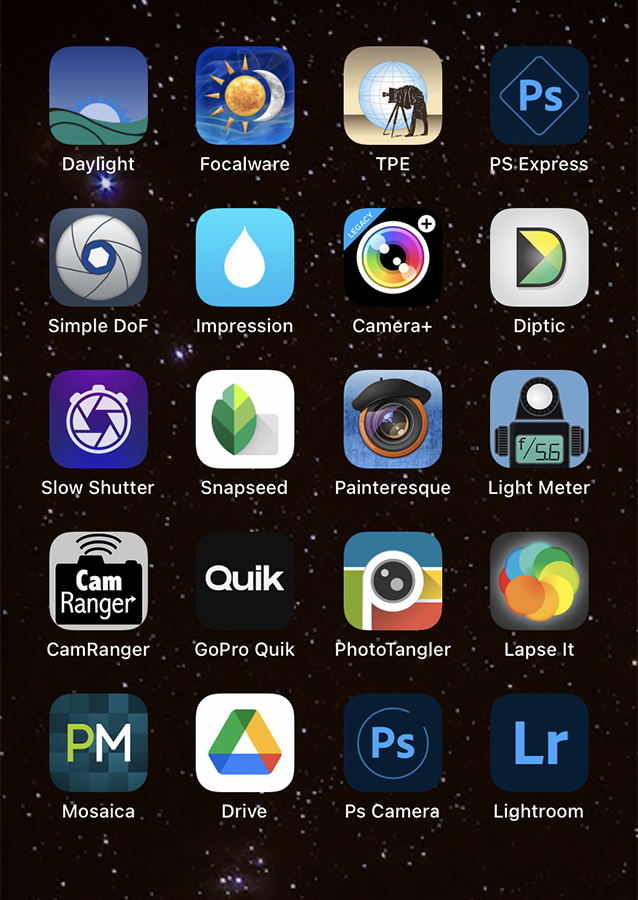
I keep my photo apps together on one screen on my iPhone. Many of these apps are also available for Android phones. I thought I would share a screen capture of my photo apps and tell you briefly what these apps do. Some of these apps do things with the photos that are on your camera phone. Some of them help you control your camera phone. Some of them deal with an external camera (like my DSLR) or with external hardware. A few apps help you be at the right place at the right time. One or more of these apps might be just the ticket for what you like to do.

Continue reading

Two Photographers and Eleven Outdoor/Travel Writers Pick the Best National Parks for Fall

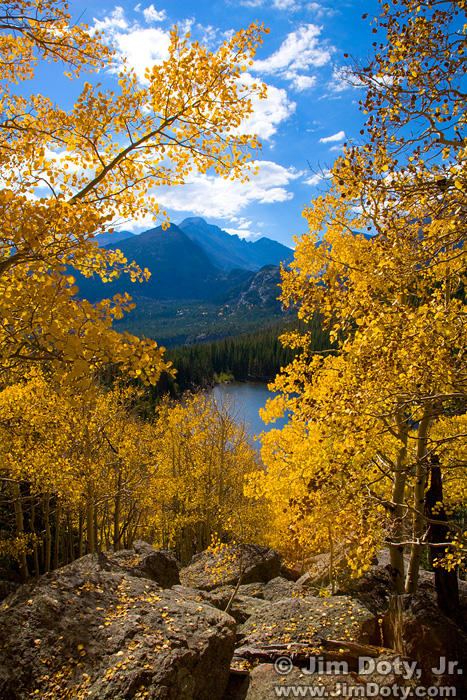
Long’s Peak and Bear Lake, Rocky Mountain National Park

Fall is a fabulous time of year to visit the national parks. Crowds are usually smaller than in the summer, temperatures are cooler, and some of our national parks have glorious fall colors. With so many to choose from, where should you go? Which national parks will provide the best photographic opportunities in the fall?

Continue reading

Images That Move Me

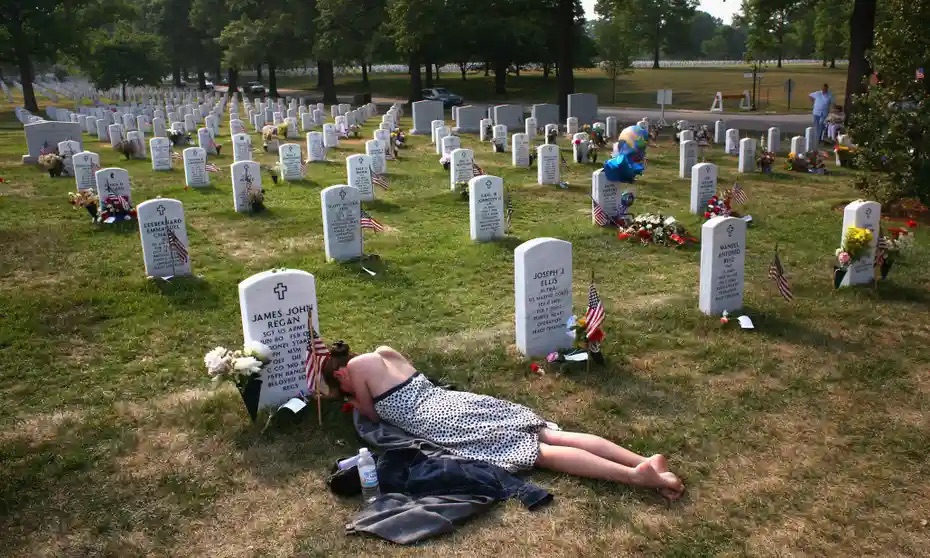
Mary McHugh mourns her dead fiance James Regan at Section 60 in the Arlington National Cemetery on 27 May 2007. Photograph © John Moore

John Moore was at Arlington National Cemetery on Memorial Day, 2007. He had visited with Mary McHugh earlier in the day. She had come to Arlington National Cemetery to visit the grave of her fiance, James Regan, who had stepped on a roadside bomb a few months earlier in Afghanistan. Later on he saw her laying in the grass and talking to the marble headstone. He captured this image. The whole story is here.

Colorado Fall Color Photography and Travel Guide – 2022

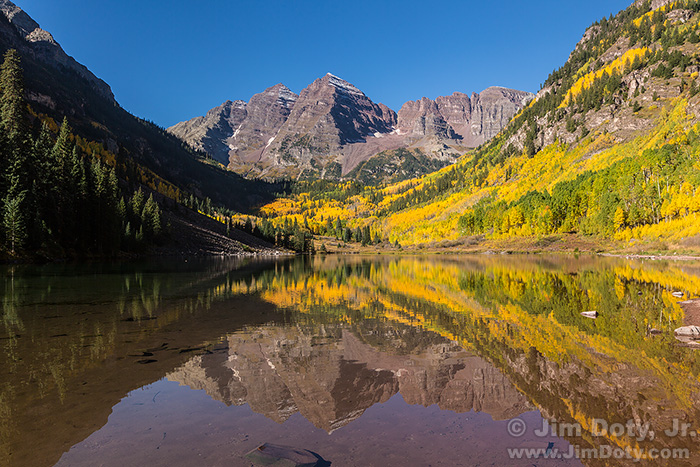
Maroon Bells and Maroon Lake. Mid-morning. September 24, 2015.

Maroon Bells and Maroon Lake. Mid-morning. September 24, 2015.

Headed for Colorado this fall? Welcome to my complete Colorado fall color photography and travel guide with 131 photos, 18 maps, and over 100 pages of information (if you print it all out). I cover some of the best known fall color locations in Colorado, and one real gem of a road that is not widely known to photographers and leaf peepers. Spend anywhere from two days to two weeks exploring the beautiful Colorado Rockies at a gorgeous time of year.

Continue reading