
Today is a terrible anniversary. On April 19, 1995, Timothy McVeigh’s truck bomb exploded outside the Alfred P. Murrah Federal Building in Oklahoma City, killing 168 men, women, and children.
Continue reading
Today is a terrible anniversary. On April 19, 1995, Timothy McVeigh’s truck bomb exploded outside the Alfred P. Murrah Federal Building in Oklahoma City, killing 168 men, women, and children.
Continue reading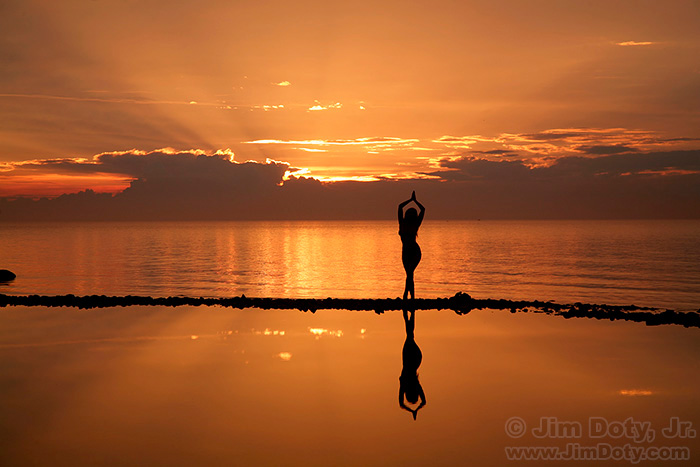
If you want to improve your portrait photography it is really best if you start with the prior articles in this series before you tackle direct sunlight. Having said that, sometimes the sun works really well as the main light for portraits. Technically speaking, this image is not a “traditional” portrait, but it is one of my favorite images of Vassanta.
Continue reading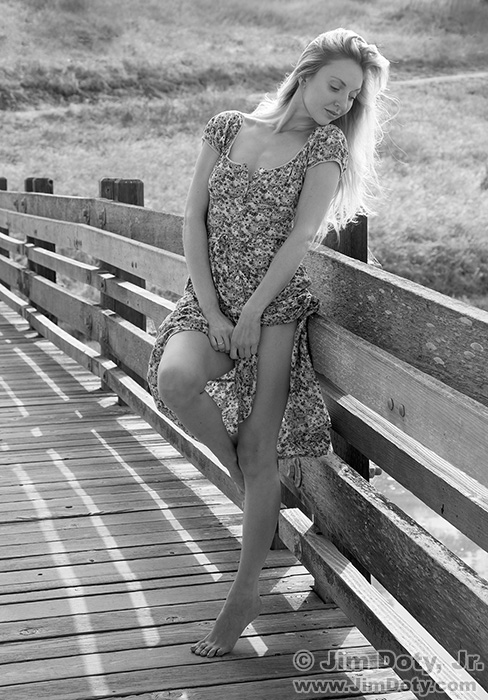
On sunny days, have your subject face away from the sun. You avoid all the disadvantages of having the sunlight on their face. As an added plus you have the possibility of really nice backlight. In this image I especially like the sunlight shining through Tiana’s hair.
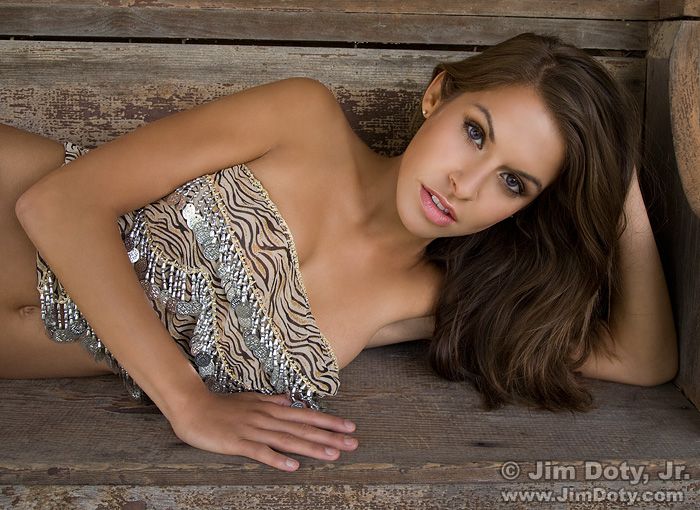
On sunny days open shade will give you the look of a cloudy bright day, but you have a lot less options as to where you can shoot.
Continue reading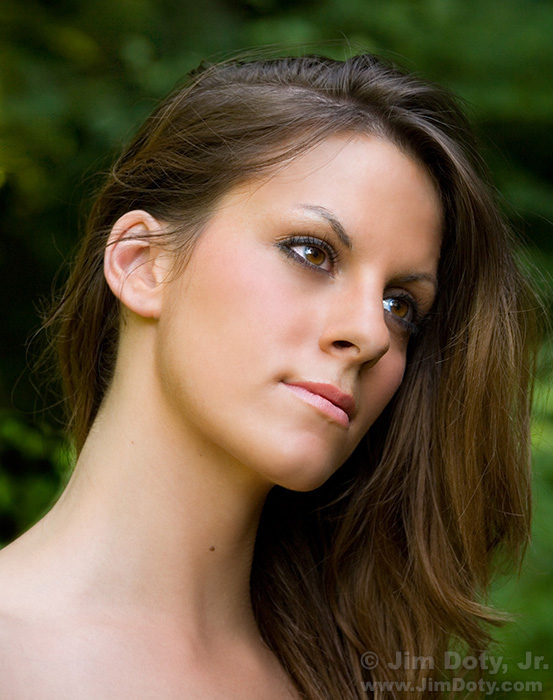
If you are new to portrait photography, a cloudy bright day is the best kind of day to start shooting portraits. The light on a cloudy bright day is soft and forgiving.

The single most important rule, 99 times out of 100, is to not have people face the sun. Sunlight is harsh. Sunlight is bright and it makes people squint. Sunlight magnifies every flaw and imperfection in human skin. It exaggerates every line, crease, pore, and wrinkle. If you are photographing the weather-worn face of a Maine lobster fisherman, fine, shoot in the sunlight. The harsh will help that kind of photo. But for everyone else, most of the time you should keep them out of the sunlight.

This series of short posts was inspired by a look at some portfolios by other photographers. The photos ranged in quality from ok to not very good. If I was handing out grades they would range from B to F. One of the key issues was bad lighting. If you are new to portrait photography, this series if for you. The suggestions in these articles will make a big difference in the quality of your images. These articles are all about how to use and not use sunlight.
Links
Portraits 1 – Introduction (this brief article)
Portraits 2 – Sunlight Can Be Really Bad Portrait Light
Portraits 3 – Shoot On Cloudy Bright Days
Portraits 4 – On Sunny Days Use Open Shade

A selection of our favorite Images. At the links below you can see a thumbnail of all of the photos from the photo shoot, and learn about the process of picking favorites.
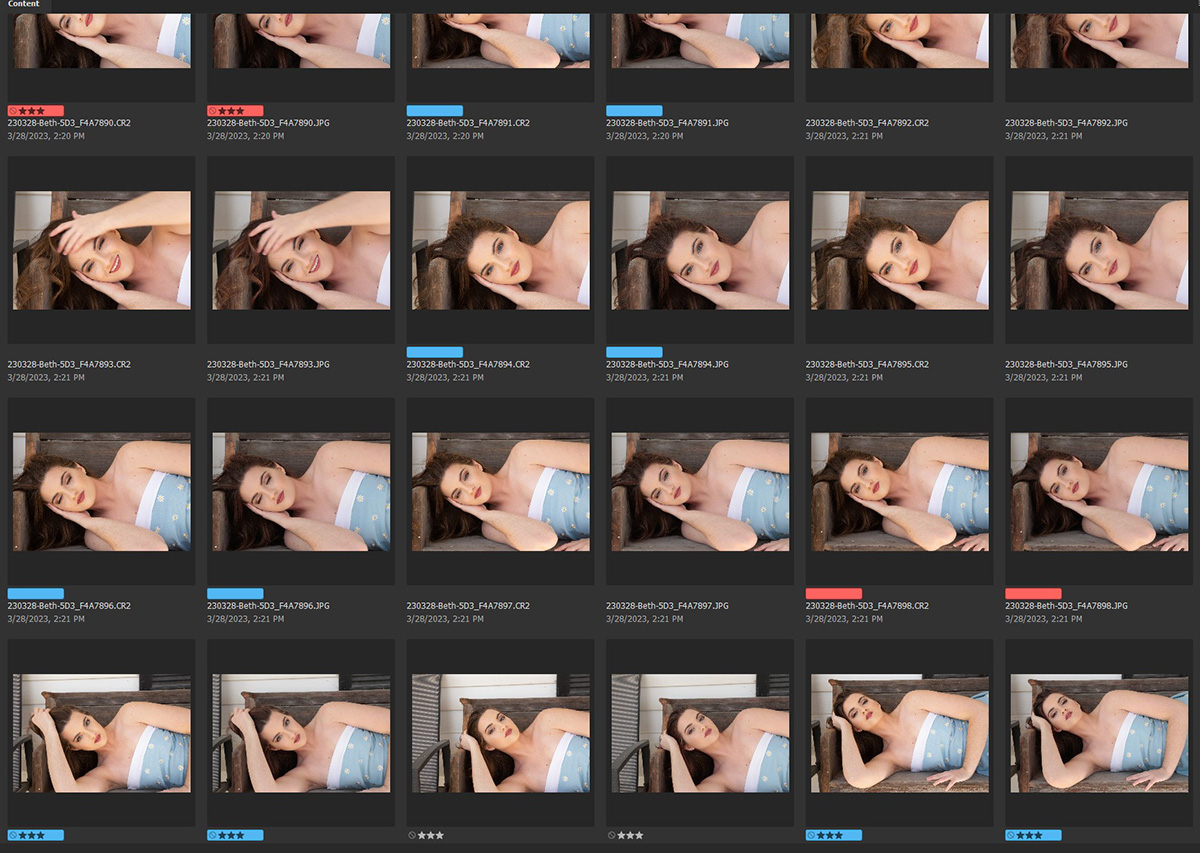
As is my custom at the end of photo shoot, I handed my camera to Beth and asked her to pick our her favorites. She turned the thumb dial on the back of the camera to go through the photos and she read the four digit file numbers of her favorites, I wrote them down. If she said something like “I especially like this one!” I put down a star by that file number.
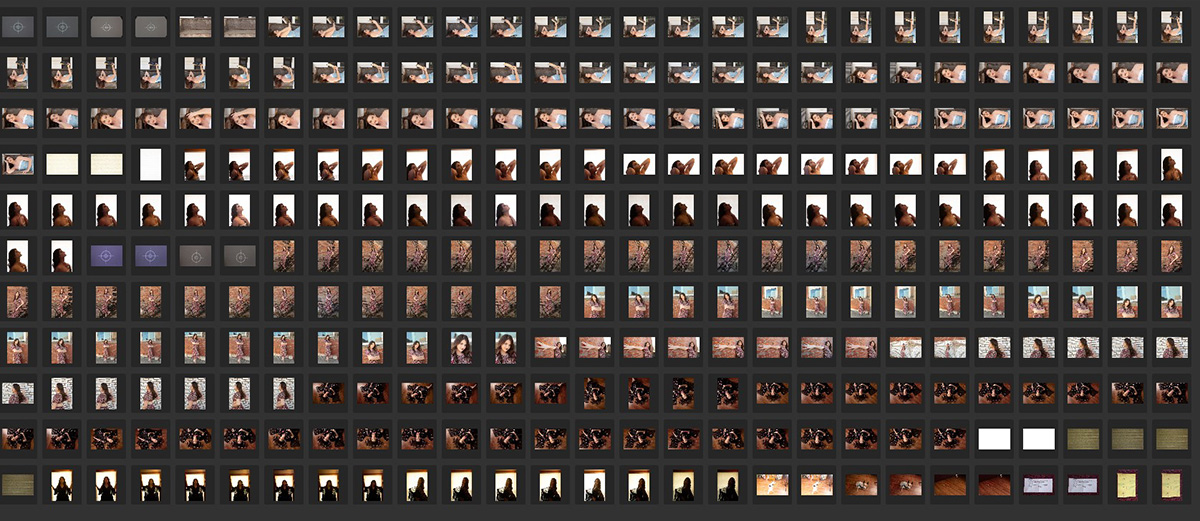
You are looking at all of the thumbnails for every click of the shutter on a 4 1/2 hour photo shoot (that also includes travel time to a remote location, plus the time for us to go through all the photos and pick our favorites).
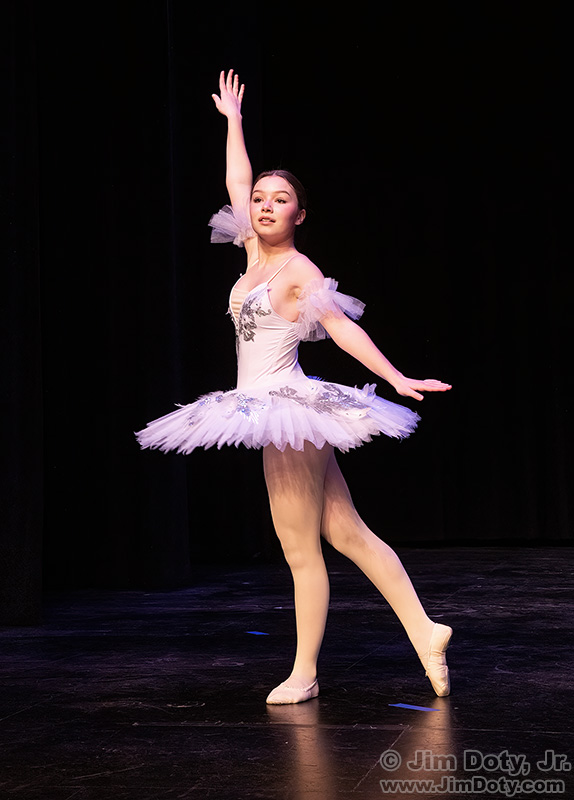
A portfolio of images from the annual spring dance recital.

The Enactus program at Graceland University does the “Entrepreneurial Roundtable” event yearly in the spring. Thursday, March 30, Graceland students gathered for the day to hear remarkable stories from Graceland Grads who shared their life experiences. At the banquet, business school faculty presented awards.
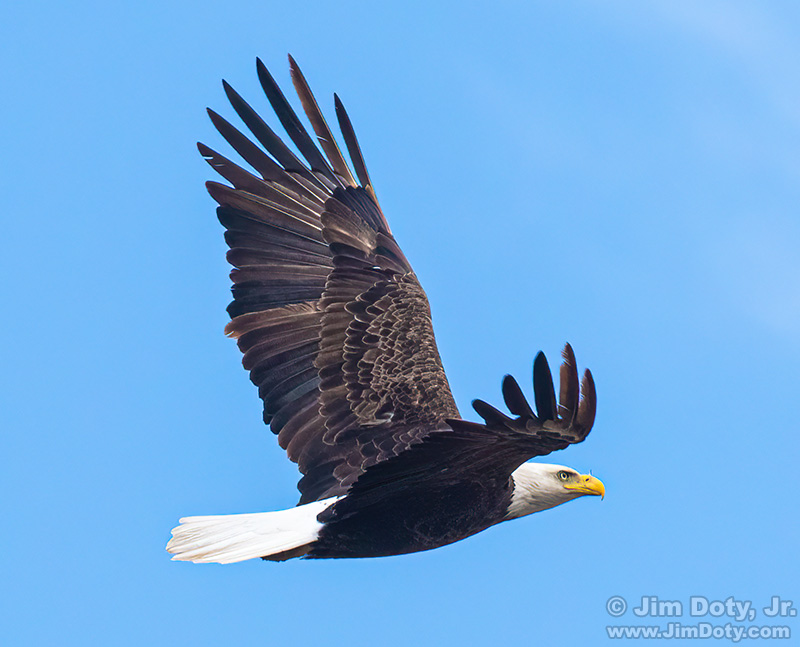
A friend tipped me off to the location of a bald eagle nest just a few miles from my home on a country road, so 2 or 3 times a week I drive by. Usually I don’t see an eagle but on this trip I got lucky.

How far was I from this burning building that I photographed last night for the local newspaper? My initial guesstimate was between 300 and 400 yards. The actual distance was 356 yards, more or less. How I did I figure that out?
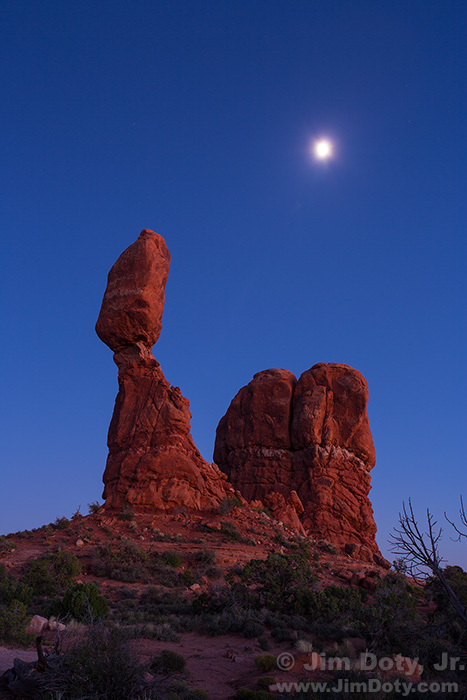
Moon Over Balanced Rock, Arches National Park, Utah.
Are you planning a spring photography trip to one or more U.S. national parks? Where should you go? Which parks will provide the best photographic opportunities? Which parks are at their best in the spring?
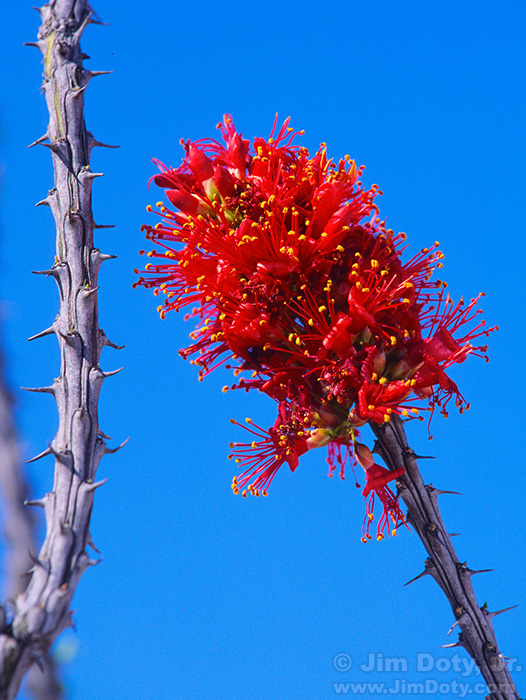
Ocotillo. Big Bend National Park, Texas.
Which national parks are at their very best in the spring? If I could go on a fabulous spring photography trip to the national parks of my choice, all expenses paid, which ones would I pick? Here are my choices, grouped by state from west to east. This list includes the favorites I have been to and want to go back to again, plus the ones I haven’t seen and most want to photograph.
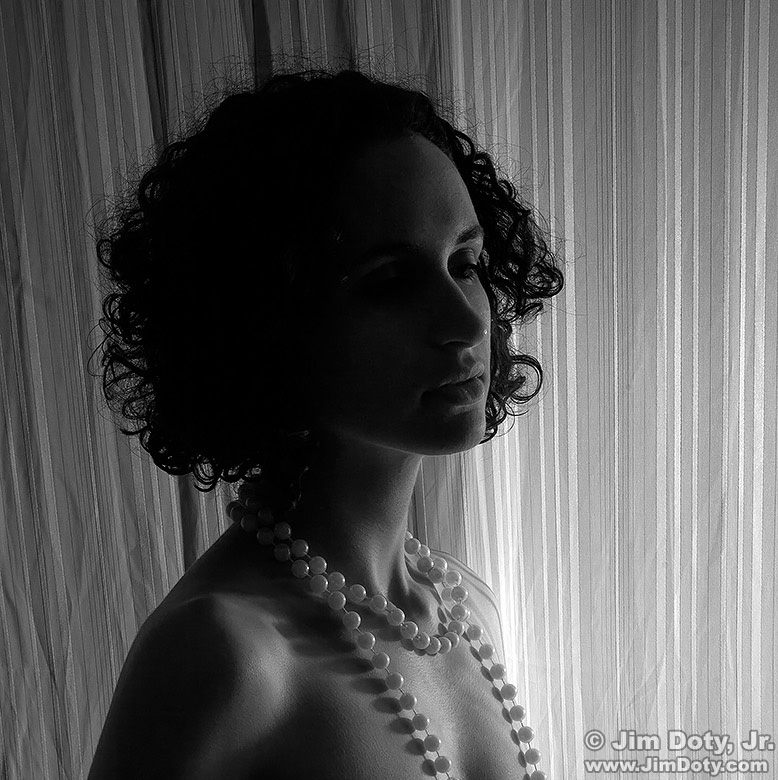
I was in a fabric store looking for lightweight (thin), white cloth with a pattern that I could use as a backdrop. My plan was to put a studio light behind the cloth and shoot through the cloth at my subject. The light would wrap around my subject. I had to experiment with the output of the studio light to get the look that I wanted. I was pleased with the final result.
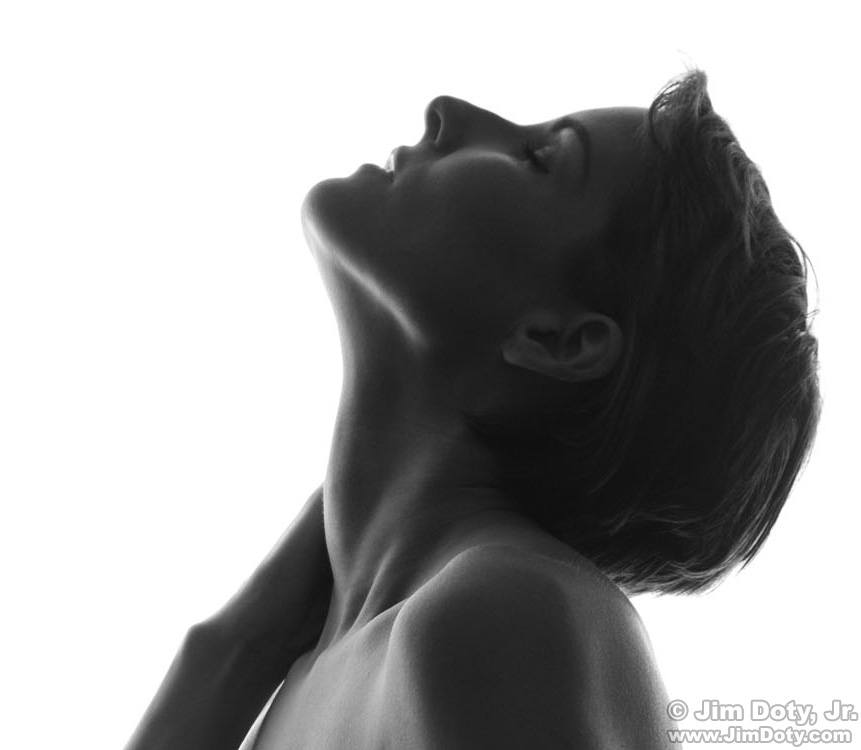
A large, south facing window is perfect for creating wrap around backlight. All you need is a sunny day and some translucent white cloth that will light the light in. Pose your subject close to the white cloth and you will get beautiful, wrap around light.
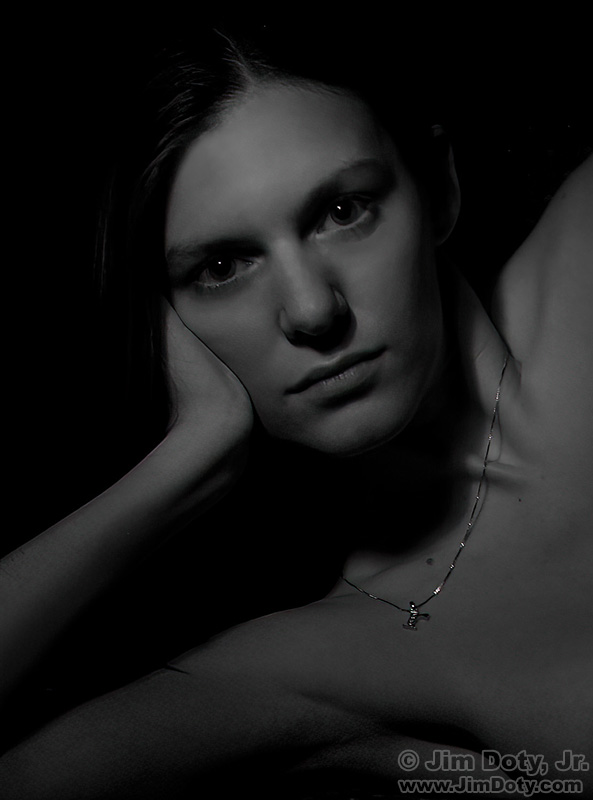
Painting with light is an interesting technique that gives you a different kind of look from using a flash unit or ambient light. As with other kinds of light you can make your subject as light or dark as you want. For these images I went with a darker, low key look. Inanimate objects are the usual subjects for painting with light because they do not move during the long exposures, but I wanted to try it with a live human being so I asked a friend to be my subject.
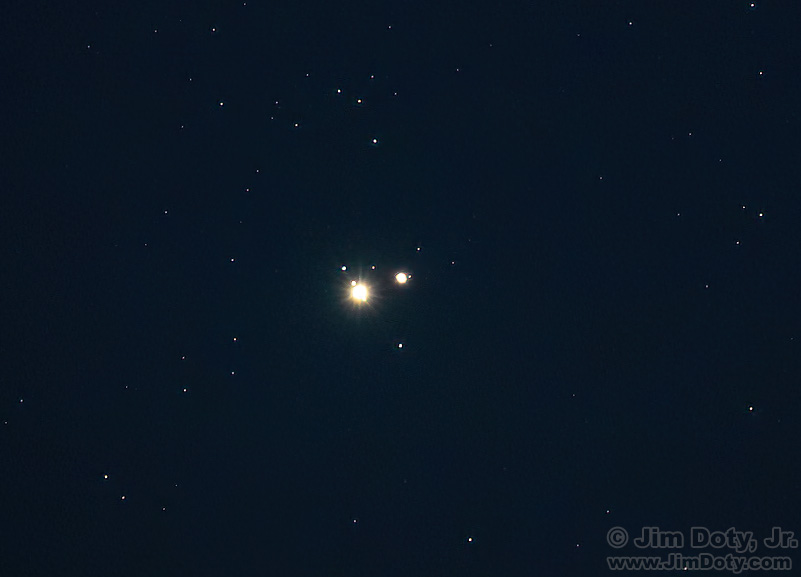
With a tripod mounted camera and a 300-400mm telephoto lens, it is possible to photograph Jupiter and its four Galilean moons (they are named for Galileo), and Saturn and its biggest moon, Titan. I captured them during their Great Conjunction a little over two years ago. Jupiter is on the left with three of its Galilean moons. Saturn is on the right and Titan is just to the right of Saturn.
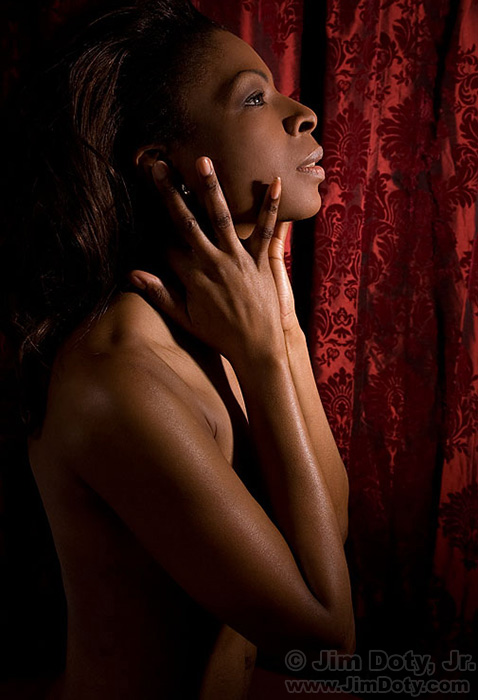
This Picture of the Day was created with a simple one light set up. The studio flash was directly in front of Sabrina’s face to camera right. I usually have my main light above the subject’s face and bounced out of an umbrella which creates a more appealing image, but there are times the rules need to be broken. For this image it worked best for the direct light of the flash (no umbrella) to be level with her face.
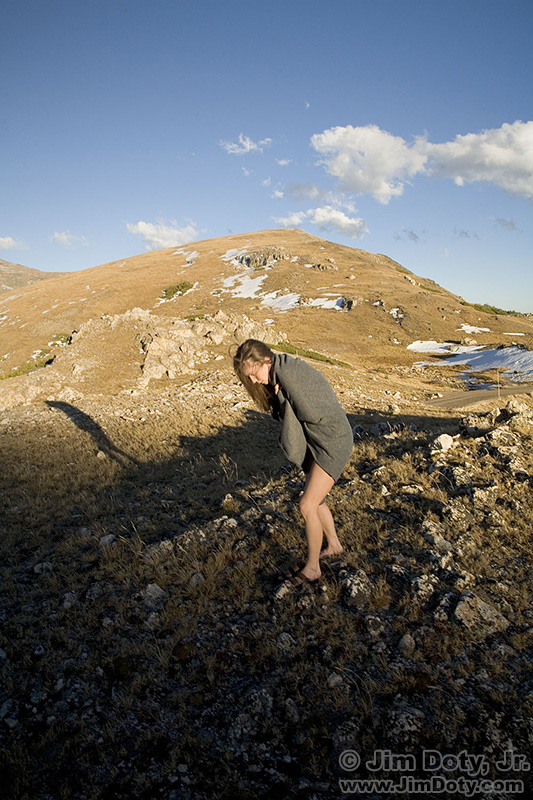
A chance look today at an old photo just sent me back in time, both photographically and technologically. It was bone chillingly cold and Sarah and I were doing figure studies high in the Colorado Rockies. (One of our images is at the end of this article.) Back in 2007 most cameras did not have built in GPS units and my primitive mobile phone did not have GPS capabilities either. But I still wanted to keep track of some important photo locations, and this spot was one of them.
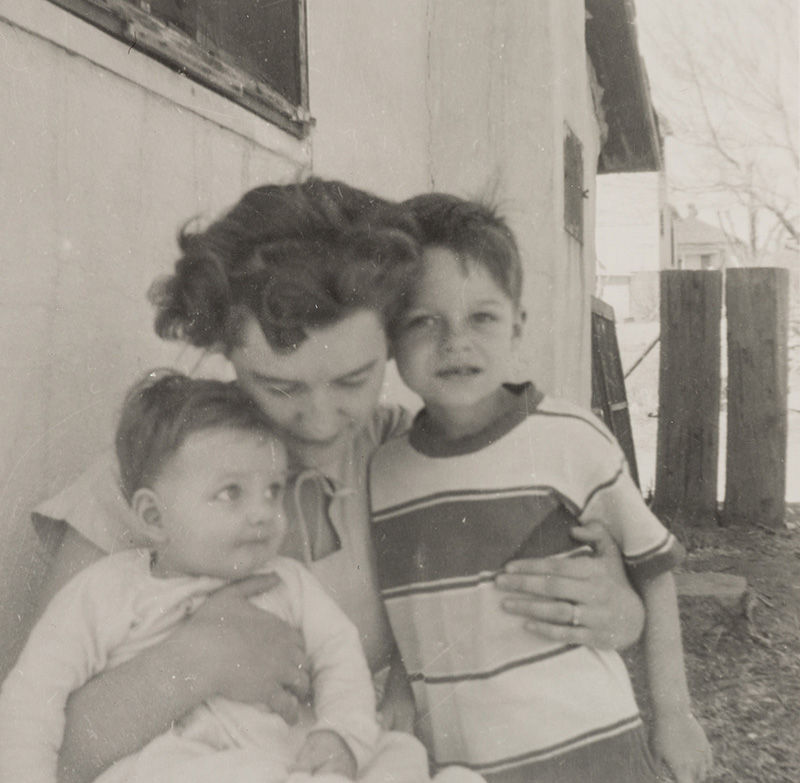
I have acquired some small, old family prints that I would generally describe as “fuzzy”. They are not clean and sharp. Making small fuzzy photos bigger does not make them better, it makes them worse. As I was explaining to an inexperienced photographer, making a high resolution copy of a blurry photo does not make it better. It just means you can turn a small blurry photo into a much bigger and therefore much blurrier photo.
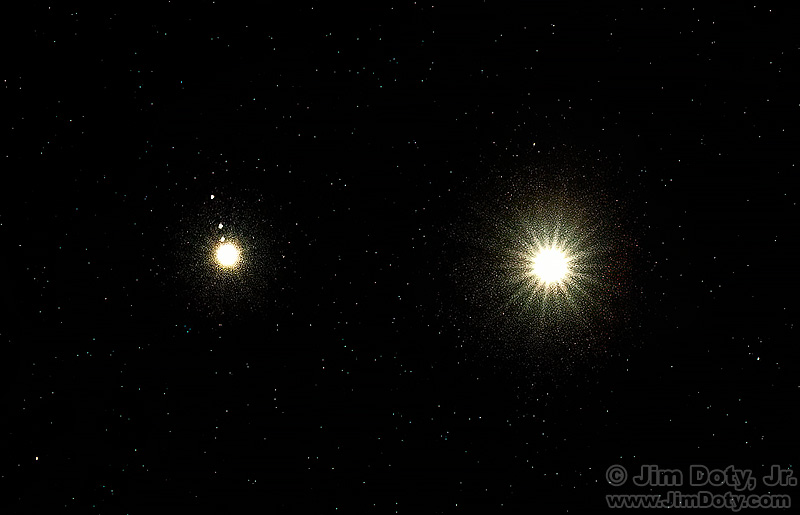
The super conjunction of Jupiter and Venus, March 1, 2023 at 7:24 pm. Venus and Jupiter pass each other on a regular basis so conjunctions aren’t rare. But this time they passed unusually close to each other, making it a Super Conjunction. They were 1/2 degree apart. They won’t be this close to each other again until February 2032. I had a telescope set up for my grandsons and they were thrilled to see three of Jupiter’s four “Galilean Moons” (named for Galileo who spotted them through his telescope). The Galilean Moons from top to bottom in this photo are Callisto, Ganymede, and Io. (Europa was not visible.)
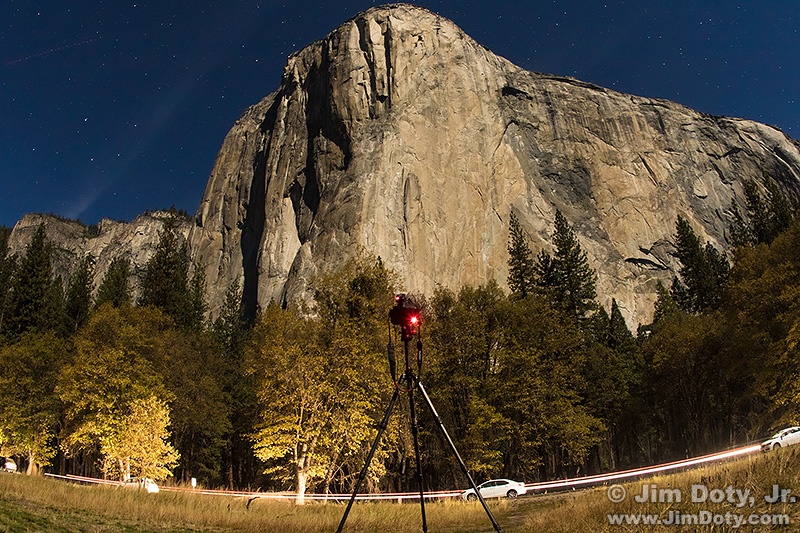
When you create a digital image with your camera, your camera adds some digital information to the image file. This digital information is called “metadata” and it can be quite useful.
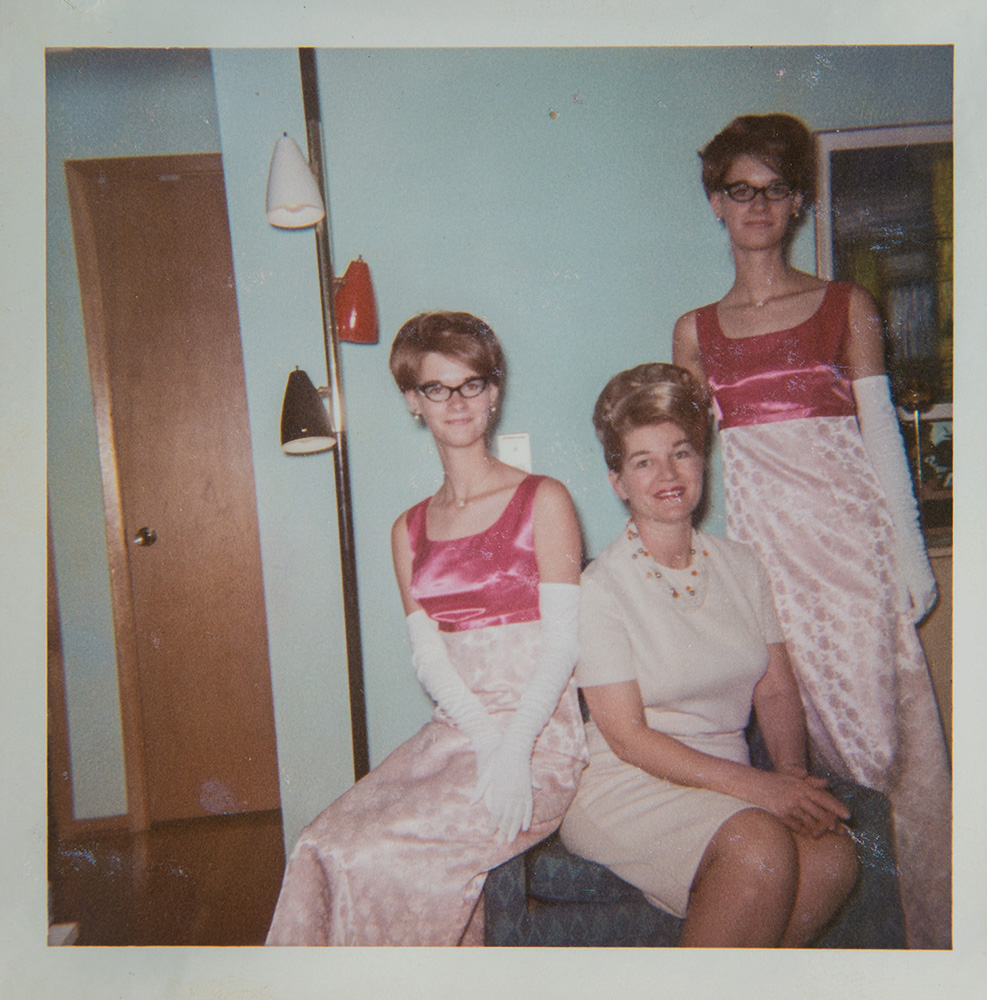
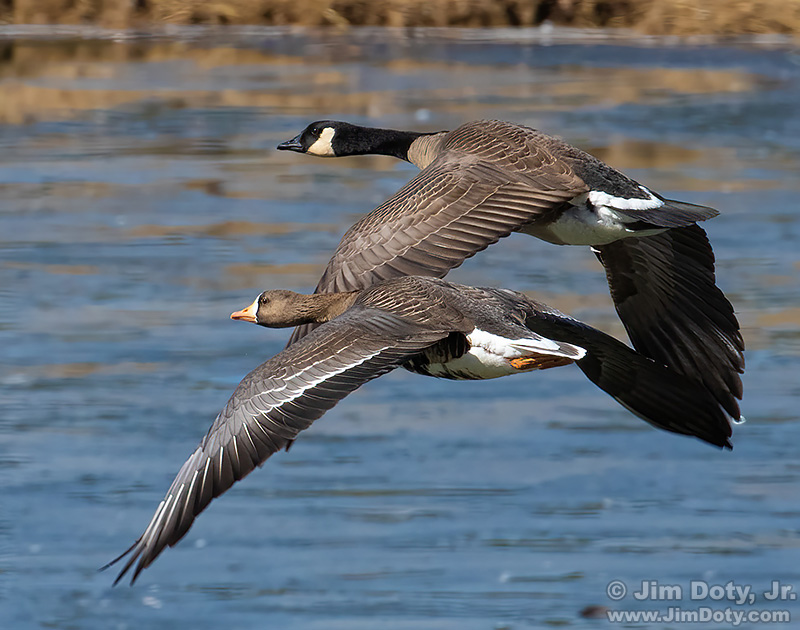
I was at one of my favorite local lakes and hundred of geese had shown up. Some of them were in the process of leaving the lake. By the end of the afternoon all but a few geese had left the lake. Some left a few at a time and others left in larger groups.
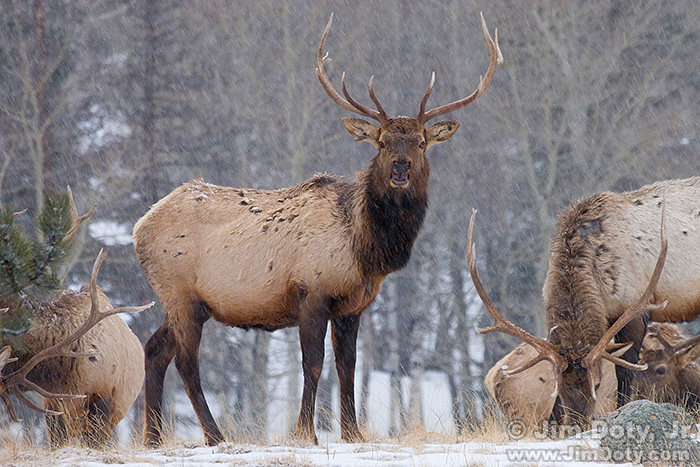
Today is an anniversary of sorts. February 24, 15 years ago, was a great day in Rocky Mountain National Park. The snow was falling when I found this small cluster of elk in Horseshoe Park. It is one of my favorite photos for the day.

It was a week and a half after Valentine’s Day and most of the dozen Valentine’s Day roses in a vase on the dining room table were done and had been thrown away, but a few were still looking good. I asked Sami to lay on the floor, handed her a long stemmed rose, and I carefully arranged her hair. Then I stood up and pulled the best looking petals off of more roses and randomly dropped them on her. Some didn’t land quite right so I re-positioned a couple of them.
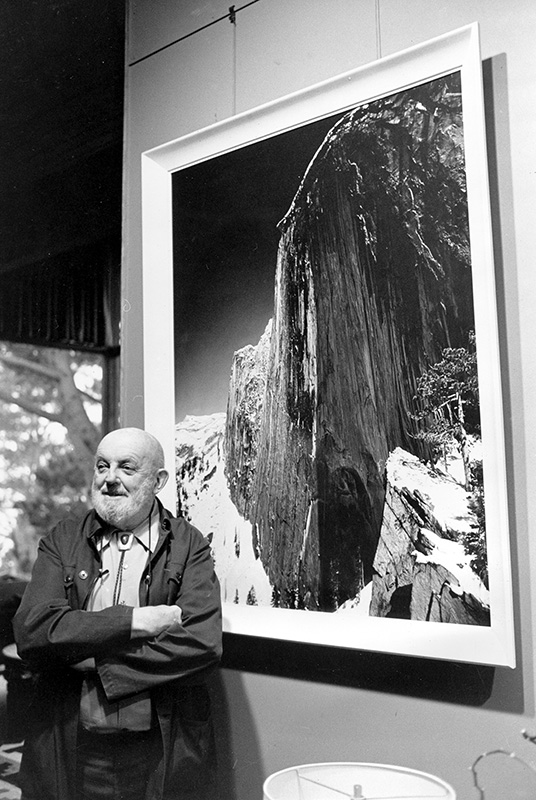
Ansel Adams in front of “Monolith: The Face of Half Dome, 1927”. Photographed in his home Dec. 2, 1980.
Ansel Adams was born 121 years ago today, February 20, 1902. He is “the” icon of American landscape photography. Trained as a concert pianist, his love of photography and time spent in Yosemite National Park led him to a career change.