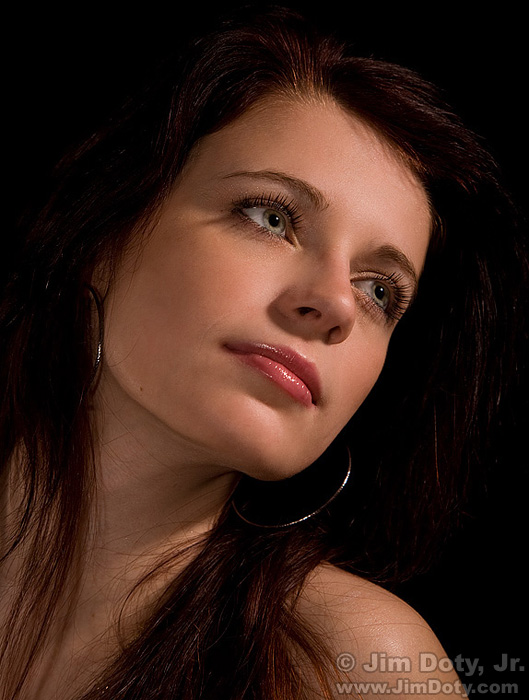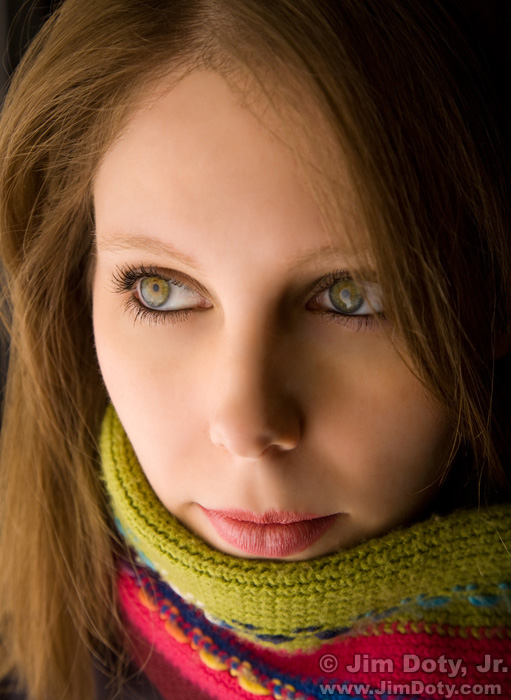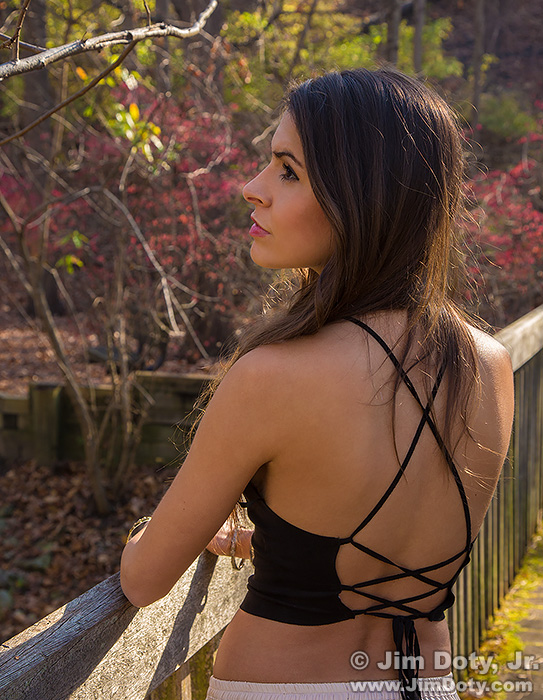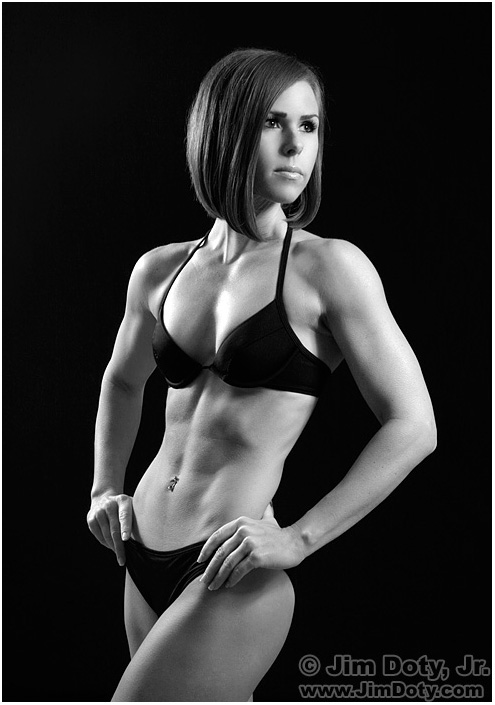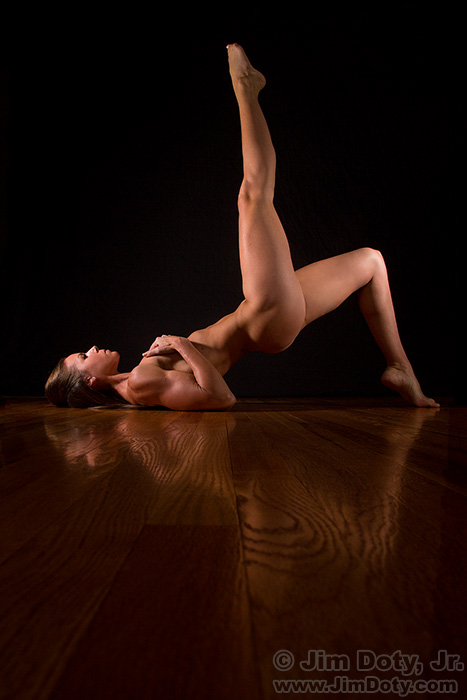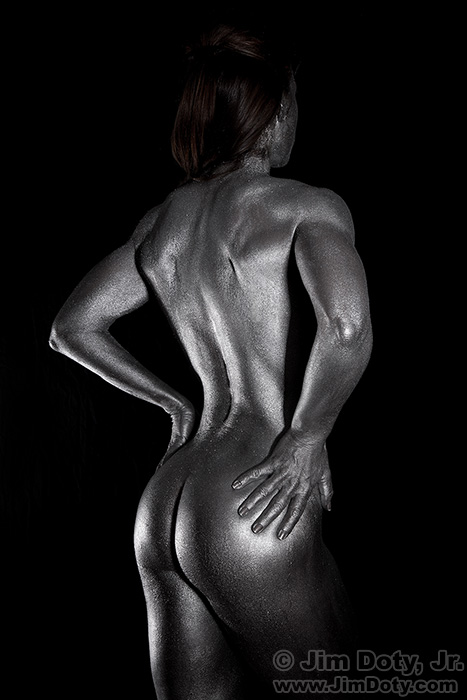
Kristina, a professional model based in L.A., wanted to schedule a photo shoot when she was in Ohio. She arrived right before I left Ohio on a trip, so we had only one day to work together. It was a bright, sunny day and bright sunlight is usually too harsh for good portraits, so we worked as much as possible in shady locations.
Category Archives: Photographs
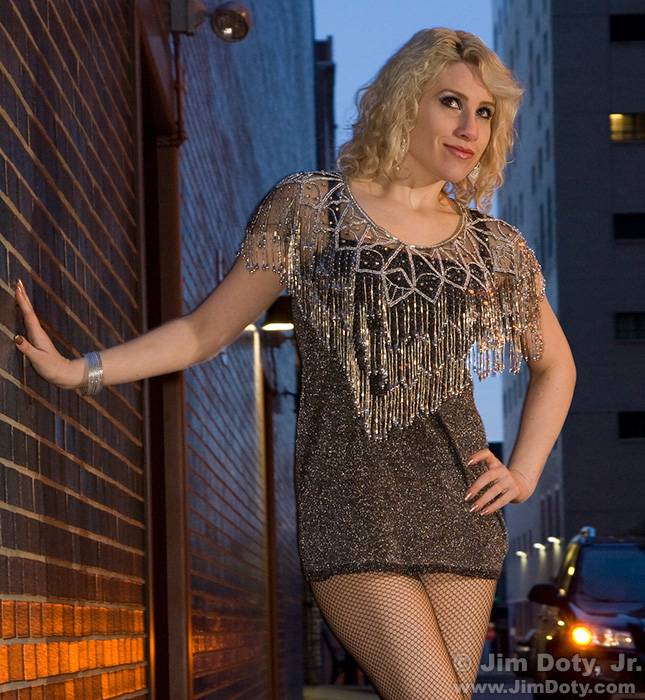
Sarah: Nine Years Ago This Evening
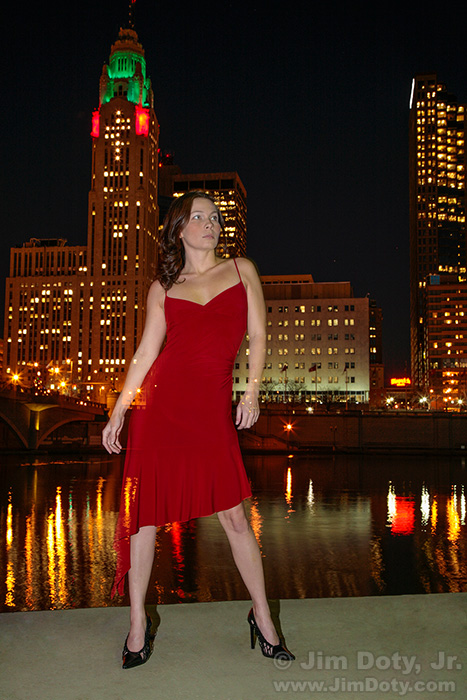
Nine years ago this evening, Sarah and I headed for downtown Columbus to do a Christmas photo shoot. We set up with the skyline in the background and I clicked the shutter for this image at 5:55 pm. I deliberately waited until the clock on my computer said 5:55 to post this article.
Posted December 13, 2015. Updated January 25, 2020.
“How To” Series: Off-Camera Flash
Twelve articles (links below) to get you started with off-camera flash. The equipment you will need and how to use it.
Getting your flash off the camera opens up a whole new world of photographic possibilities. And the really good news: the equipment is way less expensive than it used to be. If you are ready to get started, I just finished writing (or re-writing) a series of articles on off-camera flash that covers the equipment you will need and shows you how to use it.
Environmental Portraits and Off-Camera Flash, Part 2
Off-camera flash is so useful because it gives you a different look from the millions of photos that are taken with the flash on the camera. The light can come from any direction you choose, no matter where your camera is, and the latest technology makes automatic flash exposure quick and reliable.
Environmental Portraits and Off-Camera Flash, Part 1
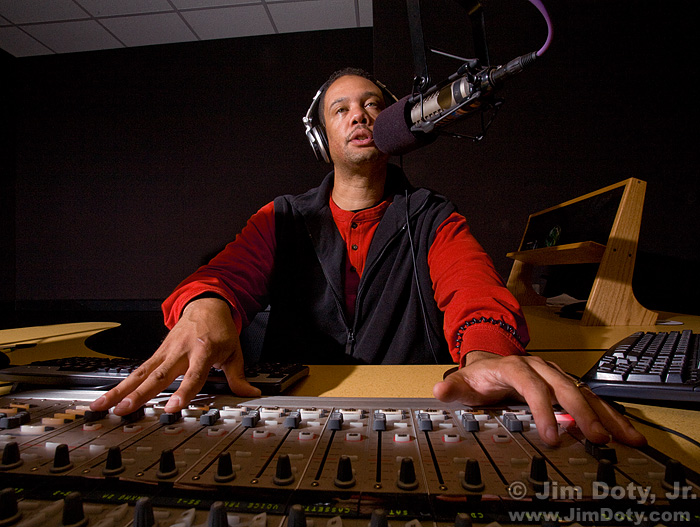
If I am using flash for an environmental portrait, I usually prefer having the flash off of the camera. In this portrait of Warren Stevens (program director and mid-day air personality at Magic 106.3 FM in Columbus), the flash is above Warren and to his right, providing a nice semi side-lit photograph. On camera flash is flat and even. Getting the flash off of the camera and moving it to the side provides more shape and texture to the subject.
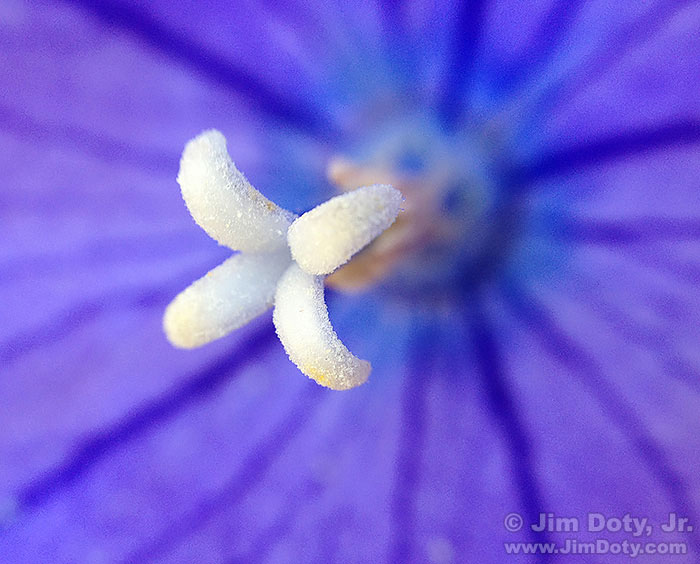
Recommended Closeup Equipment
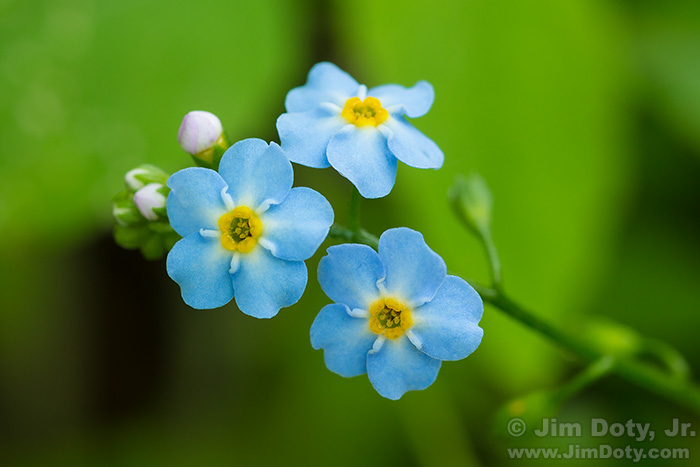
There are several ways to do closeup photography. Closeup filters, extension tubes, and macro lenses are the most commonly used options. Each of them have advantages and disadvantages.
Four Years Ago Today: The Photo That Broke My Camera
This is the last photo of a photo shoot that should have gone a little longer. But my camera broke. So many people kid about “if you take my picture it will break your camera” that I was tempted to say to her “You broke my camera!”
Photo Shoot: Using a Halo Softbox with a Yongnuo Radio Controlled Flash System

Kristina. Sunlight coming from the right. Halo softbox with Yongnuo speedlite providing light from the left.
After testing a Bob Davis 45 inch Halo Softbox and Yongnuo YN600EX-RT radio flash on my most available model (my dog), I needed to test it out on a real model. Opportunity called in the form of a message from Kristina, a professional model based in Los Angeles (and an absolute delight to work with). She would be in Ohio for Thanksgiving and she wanted to schedule a shoot. I was leaving town for Thanksgiving, but fortunately for us we had one day to shoot after she arrived and before I left.
Why Use Off Camera Flash?
Why use an off-camera flash? It gives you more lighting options. And much of the time, the light from an off-camera flash is just plain better. The image above was created with one flash to camera right.
Using the Histogram to Check Studio Flash Exposures
When using studio flash units, usually the best way to check your exposures is to use an incident light meter which is capable of metering flash exposures. But what if you don’t have an incident flash meter? Or what if you have a subject that absorbs a lot of light? Or a subject that reflects a lot more light than your typical photographic subject? You can double check your exposure settings by using the histogram on your camera. FYI: Do not trust the LCD image on the back of your camera to judge your exposures.
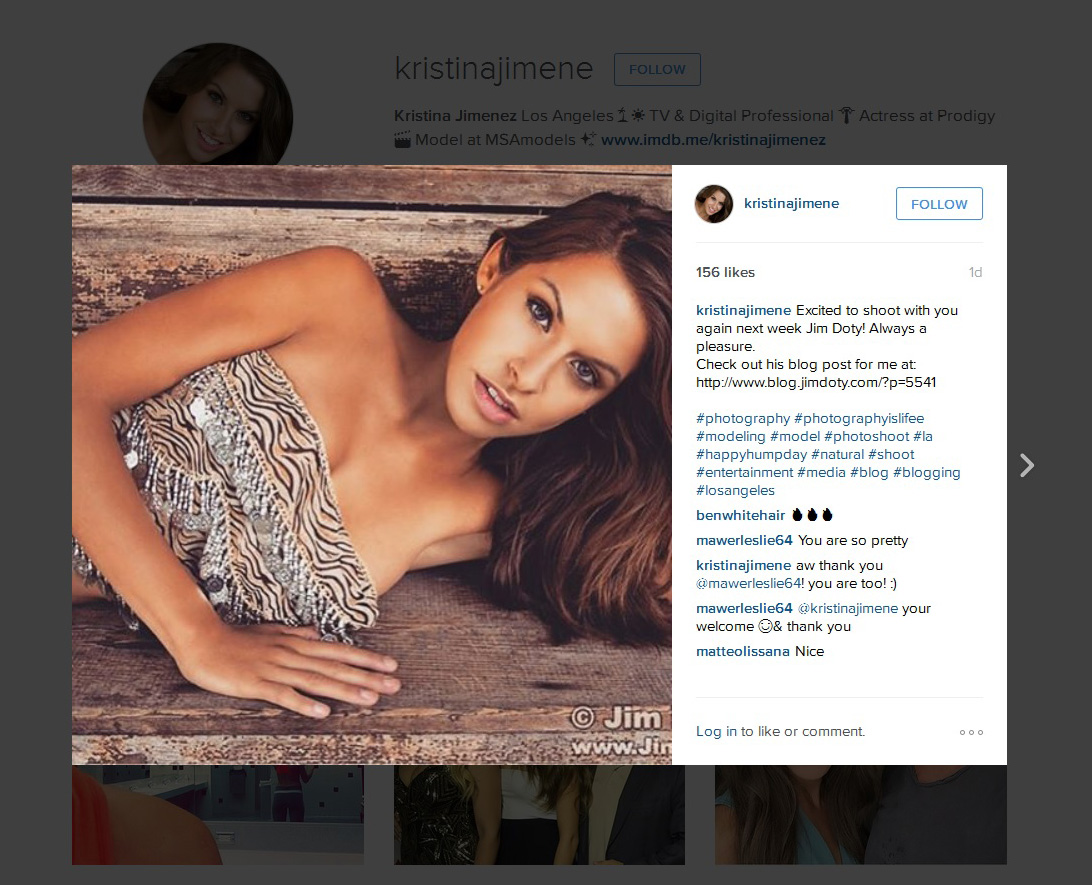
Kristina’s Instagram Post
Kristina Jimenez posted an “Excited to shoot with you again” note on Instagram. It made my day. We have worked on several photo shoots together. She is an absolute delight to work with and a first class professional model. I am excited about working with her again.
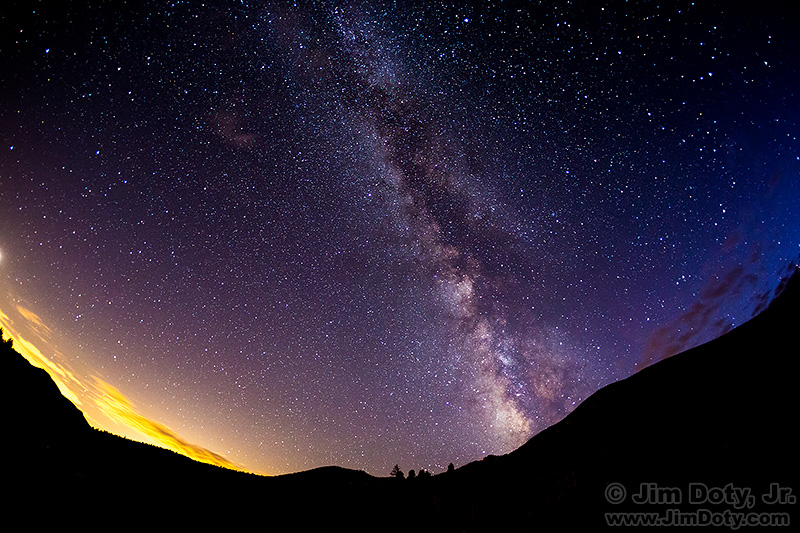
How to Photograph the Milky Way

The Milky Way from Horseshoe Park, Rocky Mountain National Park. The golden glow is from Denver city lights 70 miles away. The blue hues of late twilight are fading in the west. Click for a larger image.
On all of my weekend nature photography workshops, weather permitting I take everyone out once or twice to photograph the night sky. For those who haven’t tried it before, it kicks down the door to a whole new realm of photographic possibilities, and not just for night photography. Once a photographer tries one thing that is totally new and different and ends up with beautiful images they are proud of, they are ready to try all kinds of new things.
Deer in the Headlights – Literally
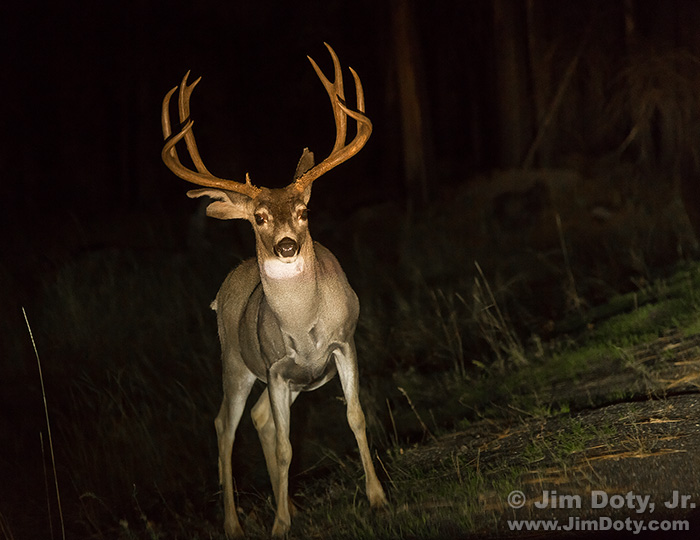
A “deer in the headlights look” is a common euphemism so I couldn’t resist taking some pictures when a deer was literally in my headlights. I was driving around Yosemite Valley taking pictures in the moonlight when I came upon two bucks browsing on the side of the road.
In a Photo Rich Environment: Be Prepared

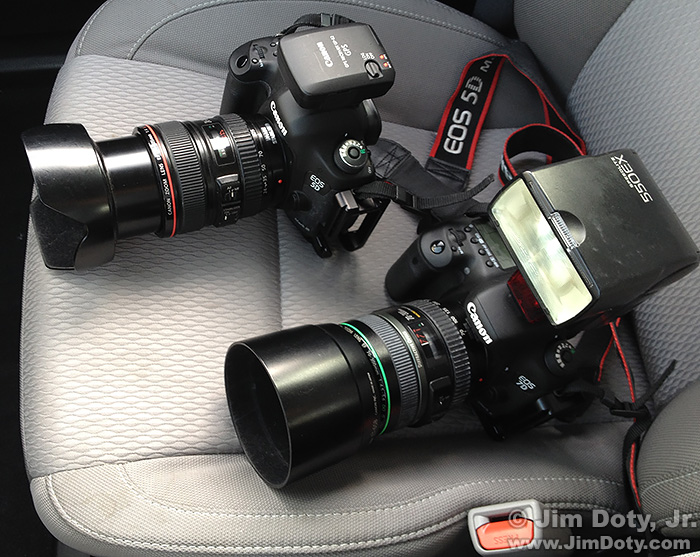
Front seat camera gear. Canon 5D Mark III with Canon EF 24-105mm f/4 lens. Canon 7D Mark II with Canon EF 70-300mm f/4.5-5.6 DO IS lens.
You probably recognize the scout motto: “Be Prepared!” It also applies to photography. When I am in a photo rich environment, especially if there is a possibility of seeing wildlife, I usually have two cameras and lenses on the front seat next to me, all ready to go.
POTD: Stars Trails Over El Capitan

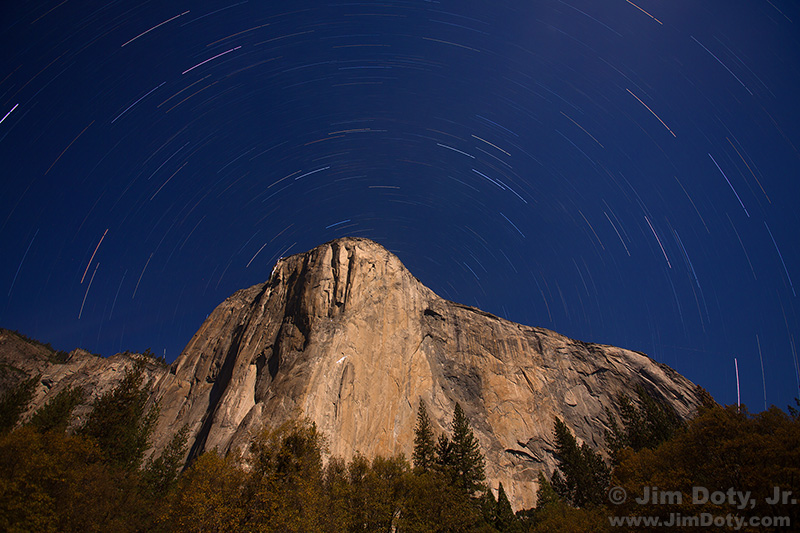
Stars over El Capitan with climbers on the granite cliffs. Yosemite Valley. This is a stacked image combing 8 separate exposures. Click to see a larger version.
El Capitan is a splendid sight in Yosemite Valley. Small wonder that for decades photographers have been showing up in droves to photographic the iconic granite cliffs. It is the largest block of exposed granite on our planet.
How to Create a Stacked Image of the Night Sky

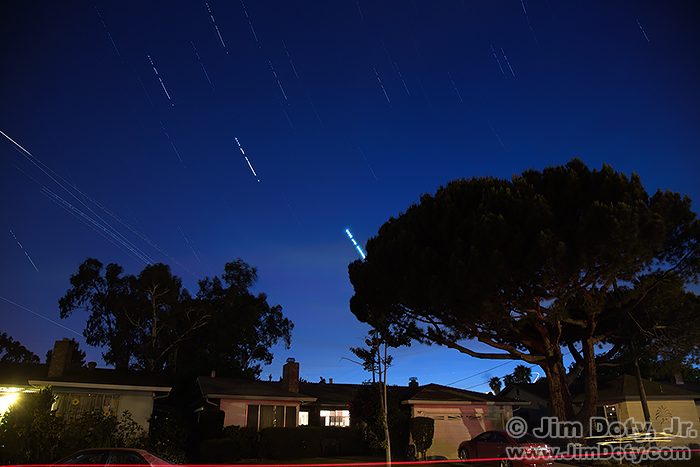
Venus, Jupiter, stars, and airplane lights. Fremont, California. 27 separate images stacked together. Click to see a larger version.
It is a handy thing to know how to stack multiple night sky images into one photo. It allows you to create one stacked image covering a long period of time (using multiple photos) when it is not possible to make one long exposure of the night sky. What is a stacked image? Several images taken over a period of time which are combined to create one image fro the whole time period. This tutorial will show you how to create one.
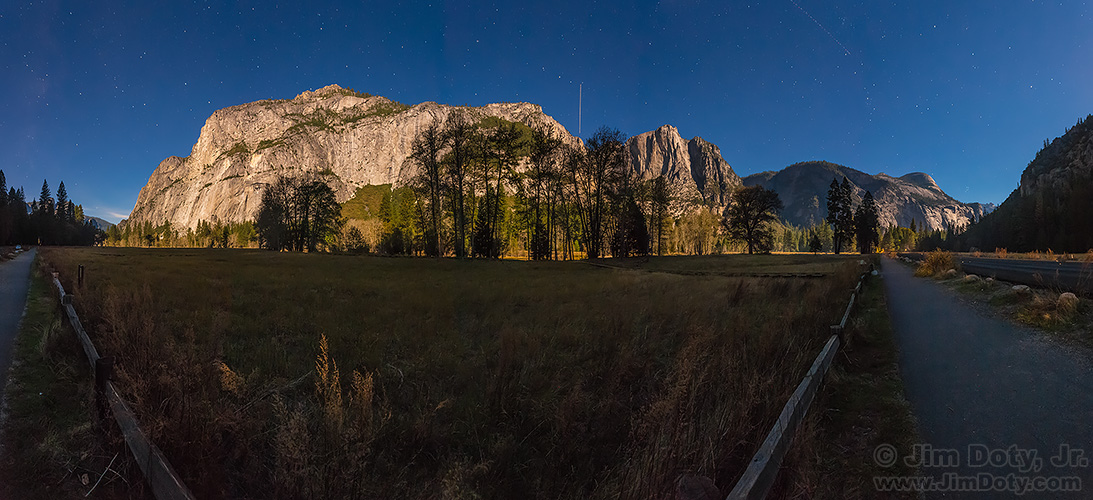
Panorama: Yosemite Valley in the Moonlight

Yosemite Valley at Night with Eagle Peak, Yosemite Point, and North Dome. The vertical light near the center is one of two planes that ended up in this image. Click to see a larger version.
Night photography has its own unique charms, whether it is a dark night with no moon and thousands of crystal clear stars, or with plenty of moonlight which (if you choose) you can turn night into day. And it isn’t all that complicated to do. With the addition of the right gear, you can turn your night time vista into a panoramic photo.
Preferences Part Two: Shutter Speeds and ISO Settings

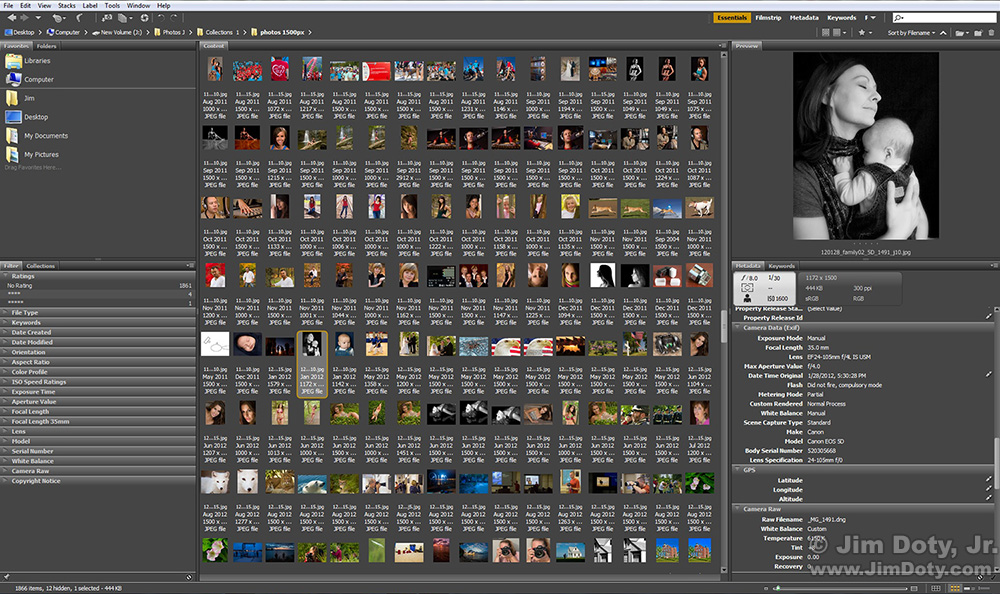
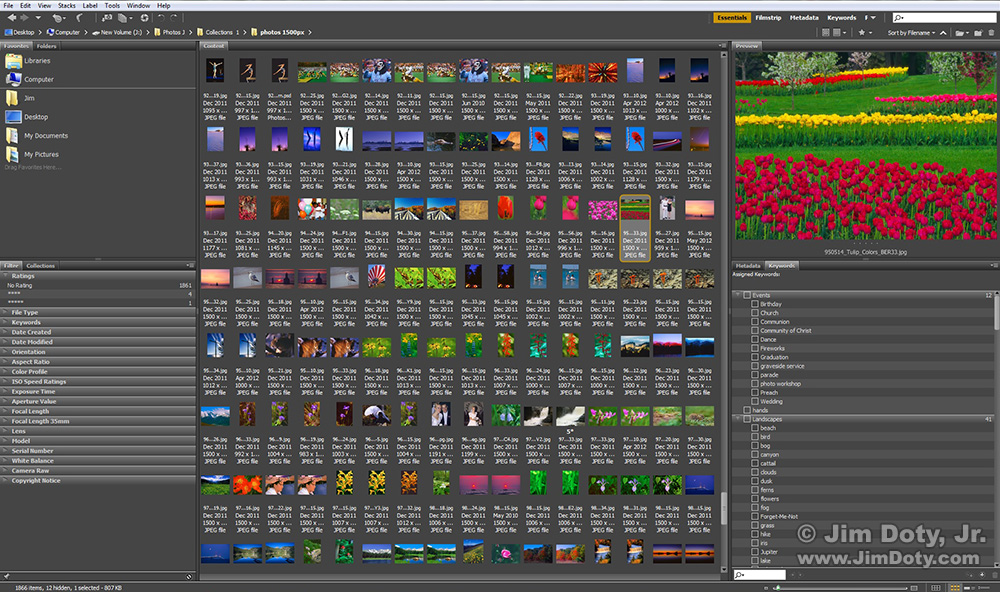
Folder opened with Adobe Bridge. You are looking at 128 images out of over 1800 images in the folder. Click to see a larger version.
I was asked recently if I have a favorite focal length, lens, or aperture setting (see Preferences Part One). And I have also been asked if I have favorite shutter speeds and ISO Settings. So I decided to open a folder with over 1800 of my images (a little of everything) and take a look at my shooting preferences from a statistical point of view. I chose a folder that has a wide variety of subject matter and a high number of images. I used Adobe Bridge for the way it gathers metadata statistics (see the prior article).
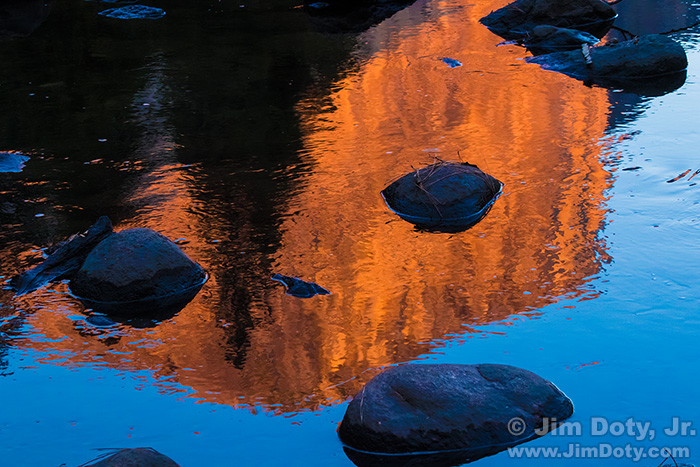
POTD: El Capitan Reflection
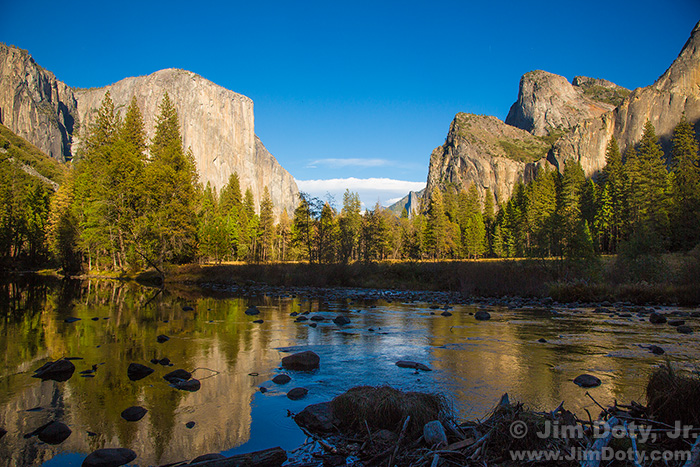
With one camera on a tripod taking a series of aligned images of Gates of the Valley (see my last article) in the changing light, I was using my other camera with a longer lens to capture different areas of the overall scene.
How to Photograph “Gates of the Valley”
Your Camera Loves “Middle Gray” – And Why That is Important
Your camera is in love with middle gray. The quicker you learn how to deal with this infatuation, the better your photos will look, including all of your color photos.
Preferences Part One: Focal Lengths, Lenses, and Apertures

Folder opened with Adobe Bridge. You are looking at 128 images out of over 1800 images in the folder. Click to see a larger version.
I was asked recently if I have a favorite focal length, lens, or aperture setting. And I have also been asked if I have favorite shutter speeds and ISO Settings (see Preferences Part Two). So I decided to open a folder with over 1800 of my images (a little of everything) and take a statistical look at what I do.
(This article was originally written Nov. 11, 2015 and revised Nov. 13, 2015.)
Using the Histogram to Check Studio Flash Exposures
Sarah: Inspired by “The Body Issue”, ESPN Magazine
Inspired by ESPN Magazine’s Body Issue (where professional athletes bare their bodies in discreet ways), Sarah and I decided to go in that direction at the beginning of our most recent photo shoot.
Photo Shoot: Sarah in Silver Metallic Body Paint
Sarah is a professional fitness trainer (and one of my favorite clients) and we get together once or twice a year to create images. Several months ago we planned our next photo shoot and picked a date this fall.
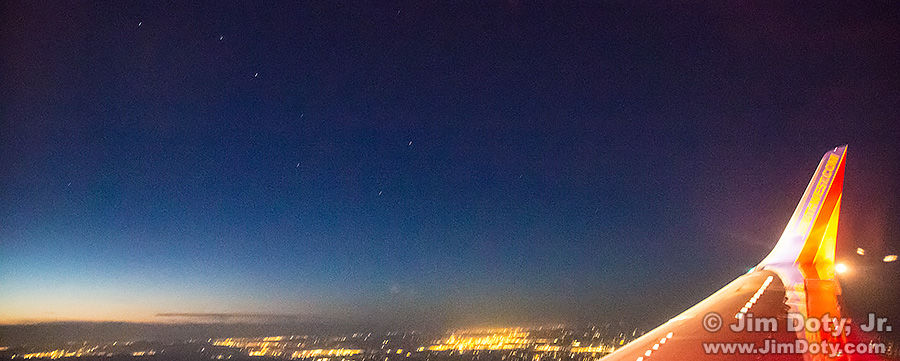
How to Photograph Stars from a Plane
Theoretically, it is difficult if not impossible to photograph stars from a moving plane. And for most flights that is true. Star photography usually means a steady tripod (on the ground, of course), exposures that are around 15-30 seconds in length, and an ISO around 400-1600 depending on the amount of sky fog at your shooting location. That just won’t work on a plane. Plus most plane rides are just too bumpy or unsteady, not to mention engine vibrations that are transmitted through the airframe. But it can be done with just the right conditions.
Jay’s Rock – Finding the Prime Location

First sunlight on the Maroon Bells at Maroon Lake. Jay on his rock, Jay’s wife, me, and other photographers. Photo © Bob Walker.
In photography, as in real estate, sometimes it is all about “location, location, location”. As the old photographic saying goes: “f/8 and be there.” In the fall that is especially true of mornings at the Maroon Bells. Arrive too late and you will get a less than prime spot and you will have other photographers in your photo instead of a pristine view of just the peaks and Maroon Lake.
Garden Photography Interview for the Akron Beacon Journal
It all started October 9 with an email from Mary Beth Breckenridge, asking if she could interview me early this week for an article in the Akron Beacon Journal. She wanted to interview several photographers and get our suggestions for creating garden photos with a camera phone.
Create Great Yard and Garden Photos With A Camera Phone
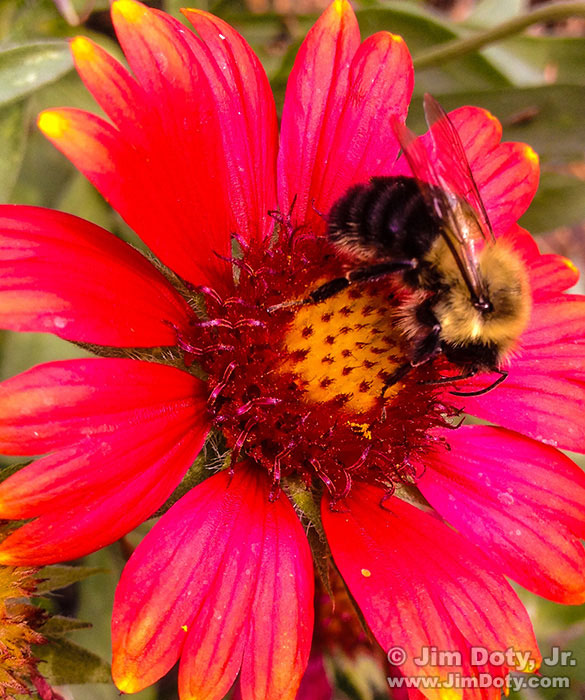
Fall is in the air and it isn’t too late to grab your camera phone and take some pictures in your garden. Here are some tips for creating some memorable photos. All of the images in this article were created with an iPhone 4S, which means more recent iPhones and Android phones should be capable of doing everything you see in this article (plus one simple accessory for a few of these photos). Continue reading
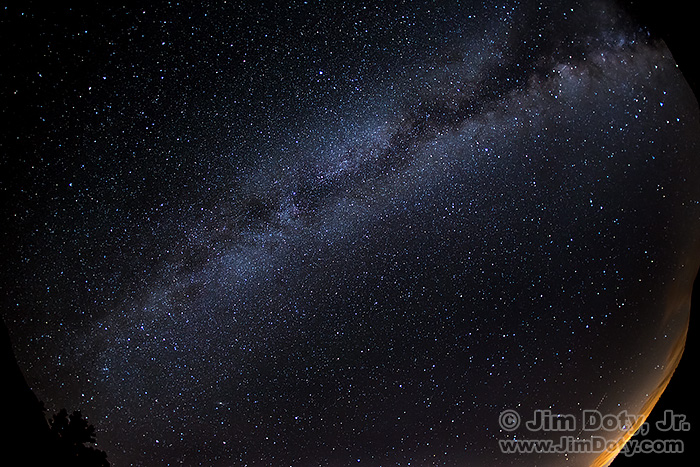
POTD: Milky Way, Horizon to Horizon
After using a super wide angle lens to do a more traditional photo of the Milky Way, I switched to a lens with a 180 degree diagonal field of view, pointed my camera almost straight up, and captured the entire length of the Milky Way from horizon to horizon.