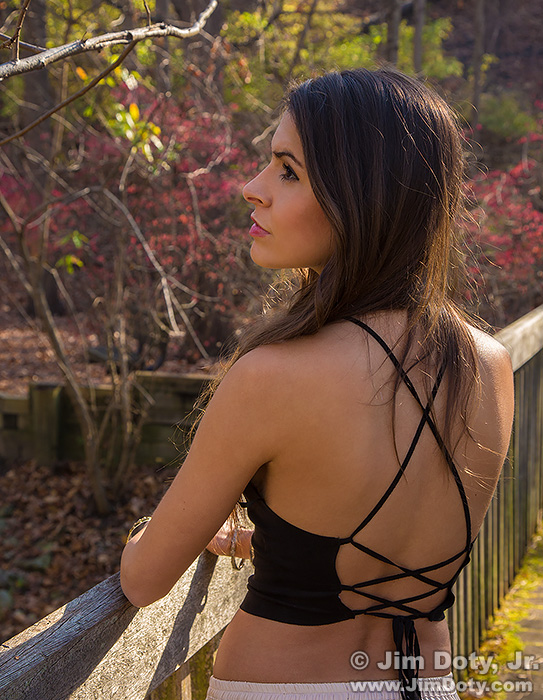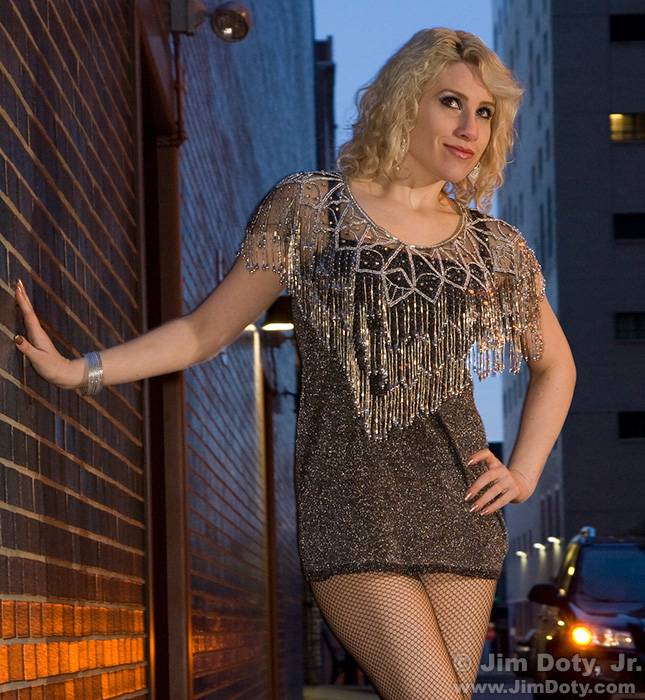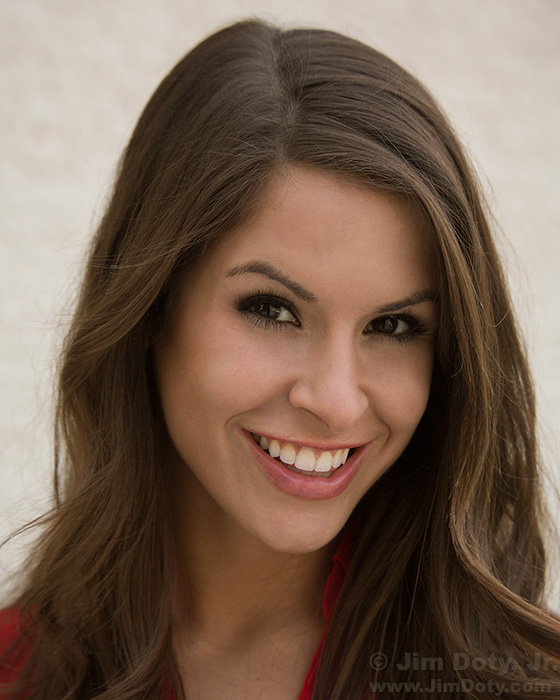
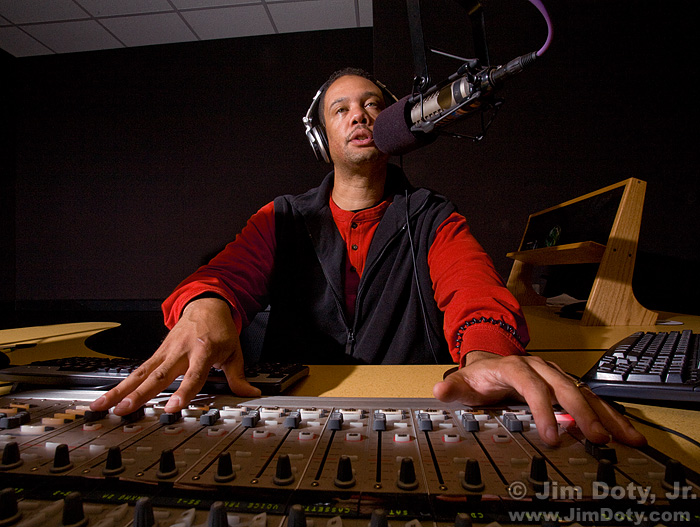
If I am using flash for an environmental portrait, I usually prefer having the flash off of the camera. In this portrait of Warren Stevens (program director and mid-day air personality at Magic 106.3 FM in Columbus), the flash is above Warren and to his right, providing a nice semi side-lit photograph. On camera flash is flat and even. Getting the flash off of the camera and moving it to the side provides more shape and texture to the subject.
Category Archives: Lighting
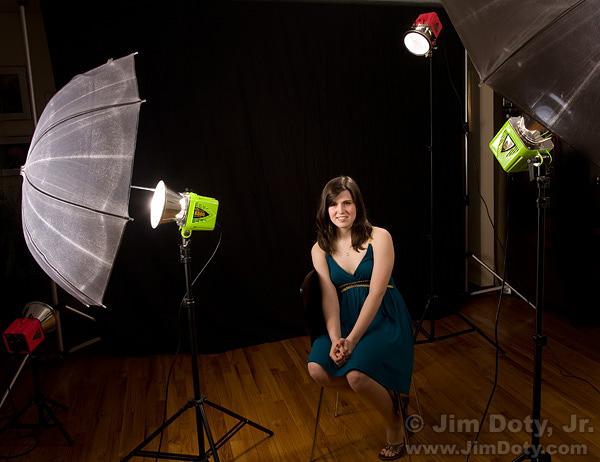
AlienBees: High Quality, Economical Studio Lights
For the best combination of quality and price, it is hard to beat AlienBees studio lights. I’ve been using AlienBees in my studio (and on location) for 9 years, and like so many other photographers, I’ve been singing their praises. It would be hard to find the same quality for less money.
Some of the Best Off-Camera Flash Equipment
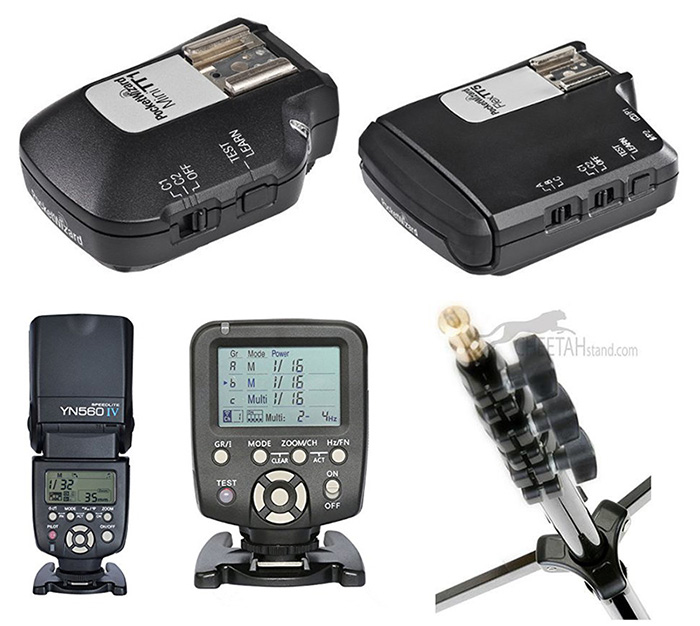
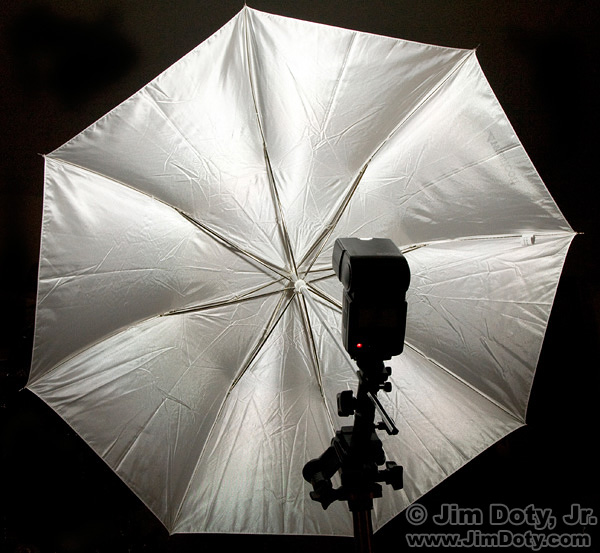
There are lots of advantages to getting your flash off the camera, and it is probably much less expensive than you think. If you shop wisely, you can get a radio transmitter for your camera plus an off-camera flash with a built in radio receiver, all for $111. A $20 adapter will mount the flash on your tripod. You are all set for only $131. If you want to soften the light, a 43 inch umbrella that mounts in the same adapter costs $22. So if you already have the camera and tripod, the whole off camera flash set up is only $153.
Light Modifiers (Softeners) for Speedlites
Photographers are always looking for ways to soften the light when doing portraits. The light from an accessory flash can be quite harsh so there are a wide range of modifiers to soften the light for more pleasing portraits. Here are my favorites.
Radio Controlled Speedlites: Yongnuo YN600EX-RT vs Canon 600EX-RT
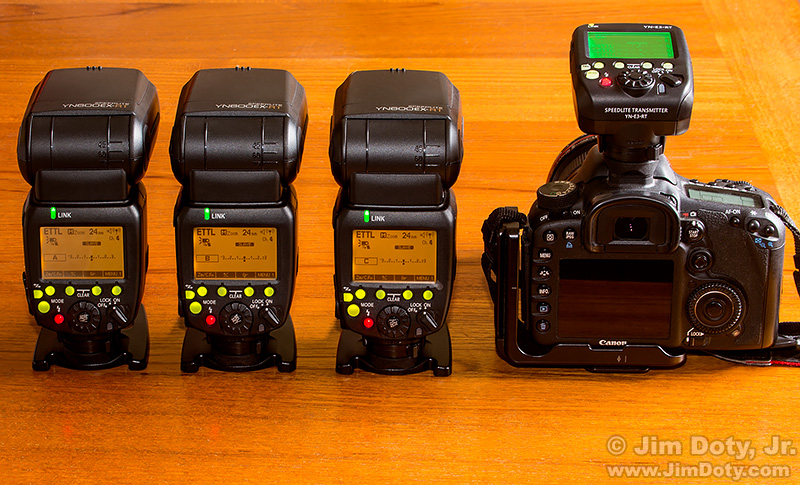
Should you spend $469 on a Canon 600EX-RT speedlite, or $120 on Yongnuo’s nearly identical clone, the YN600EX-RT? And what about the radio transmitters? Canon’s is $285 and the Yongnuo copy is $88.00. So you can buy three Yongnuo speedlites plus the radio transmitter for less than the price of one Canon speedlite. The price advantage is clear, but what about quality, reliability, and service issues?
Posted Dec. 7, 2015. Updated Nov. 20, 2017.
Photo Shoot: Using a Halo Softbox with a Yongnuo Radio Controlled Flash System

Kristina. Sunlight coming from the right. Halo softbox with Yongnuo speedlite providing light from the left.
After testing a Bob Davis 45 inch Halo Softbox and Yongnuo YN600EX-RT radio flash on my most available model (my dog), I needed to test it out on a real model. Opportunity called in the form of a message from Kristina, a professional model based in Los Angeles (and an absolute delight to work with). She would be in Ohio for Thanksgiving and she wanted to schedule a shoot. I was leaving town for Thanksgiving, but fortunately for us we had one day to shoot after she arrived and before I left.
How To Set Up a Halo Softbox or Umbrella with an Off Camera Speedlite

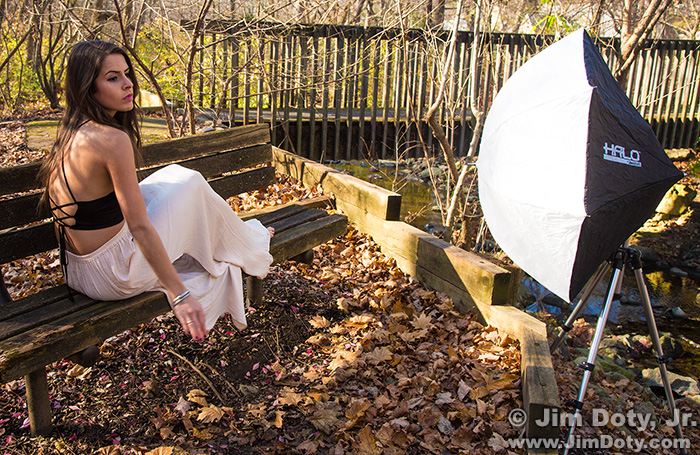
Halo Softbox set up on location and ready to use. The radio controlled flash and umbrella adapter are inside the softbox.
If you have never used an umbrella adapter to put a flash and umbrella or softbox on a tripod or light stand, the steps below will show you exactly what is involved. If you have already used an umbrella adapter, setting up a Halo softbox will be ridiculously simple for you. Skip to the Halo section below.
Why Use Off Camera Flash?
Why use an off-camera flash? It gives you more lighting options. And much of the time, the light from an off-camera flash is just plain better. The image above was created with one flash to camera right.
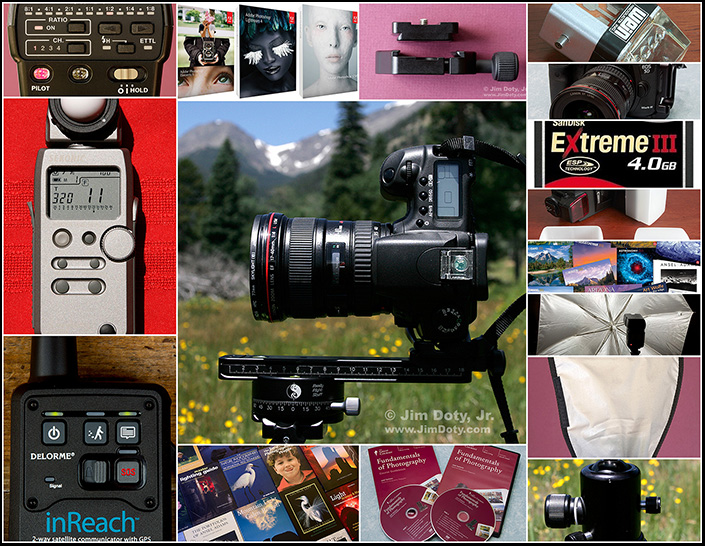
The Best of the Best: Recommendations For The Best Photography Equipment, Software, Books, Magazines, DVDs, Online Photo Labs and More
It’s the time of year that the number of photo questions I receive increases dramatically. Many of them have to do with “What is the best . . . .” They usually come from someone shopping for a photographer, or photographers shopping for themselves.
So once again here is my list of “best of the best” of articles recommending the best photo gear, software, books, DVDs, calendars, online photo labs, and a whole lot more. I will revise some of these articles in November and December, but most of the advice is good as it stands. The best books on photographic composition or the best photo labs haven’t changed in the last 12 months. As I rewrite articles I will update the links below. You can check the date at the top of each article.
Originally posted Nov. 21, 2015. Updated December 11, 2015.
Setting a Custom White Balance Will Save You a Lot of Time
Setting a “Custom White Balance” at the beginning of a photo shoot will save you a lot of time. It will only take a minute or so and can save you a lot of work later on. Think how long it would take you to color correct 250 images.
Color Correction for Images Created in the Shade
Shooting in the shade on a clear sunny day can cause color temperature problems. If you want your colors to be true to life, you need to correct for the color shift.
Excellent “How To Photograph People” Books
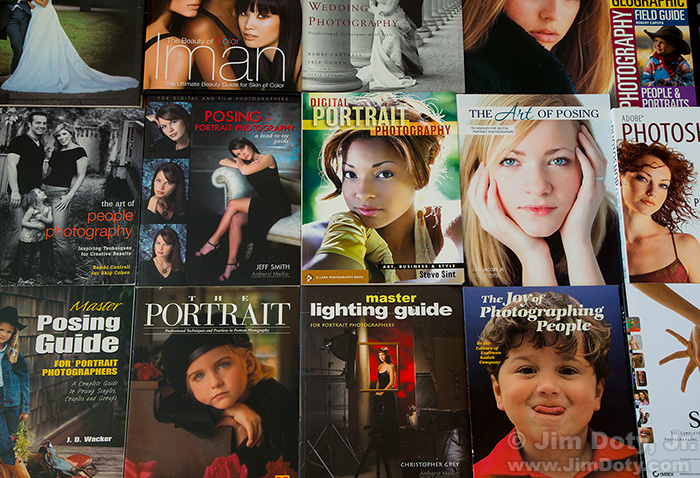
More photos are taken of people than any other photograph subject. Anyone can take snapshots. If you want to take more memorable and eye-catching photos, here are some excellent books to help you do just that.
POTD: Sarah (How To Do A Fitness Portrait)
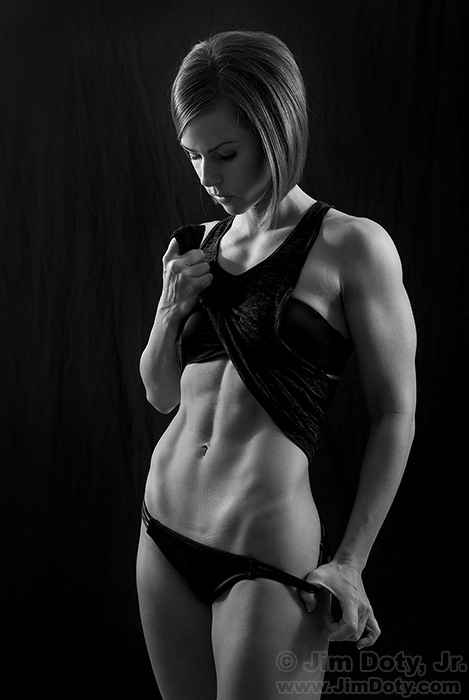
Sarah is a professional fitness trainer and we have worked together before. We had another photo shoot Saturday morning and this is the first photo I optimized from the shoot.
The “Purkinje Effect”: Colors Your Eyes Can’t See – But Your Camera Can
In low light conditions there are colors your eyes can’t see, but your camera can capture them if you know what you are doing. That is one of the reasons I take my photography workshops and classes out on field trips at night.
Sometimes You Don’t Get What You Want
Imagine this image: A well toned fitness trainer running along the beach. She is silhouetted against the water by the beautiful, warm light of the rising sun. That was the plan for yesterday morning. It didn’t happen. It went down like this. . .
POTD: Kristin in a Stairwell
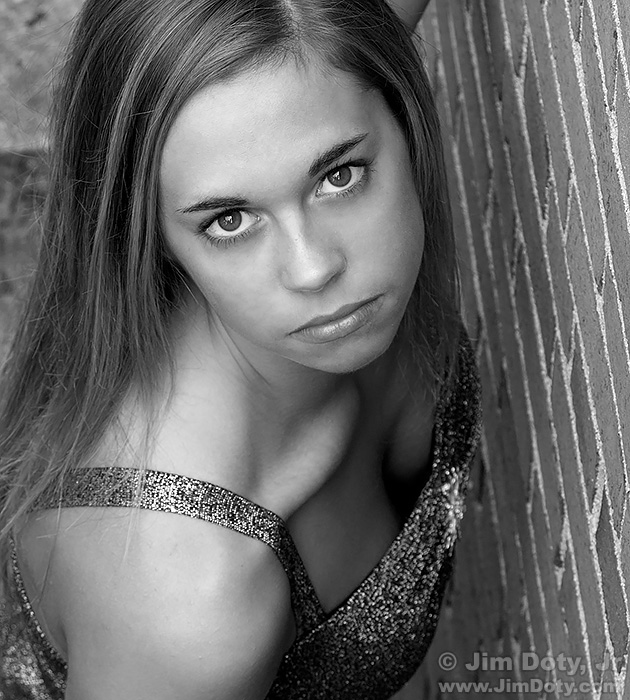
Kristin wanted to do some photos that didn’t look “senior picturey”.
POTD: Kristin in the Shade with a Touch of Fill Flash
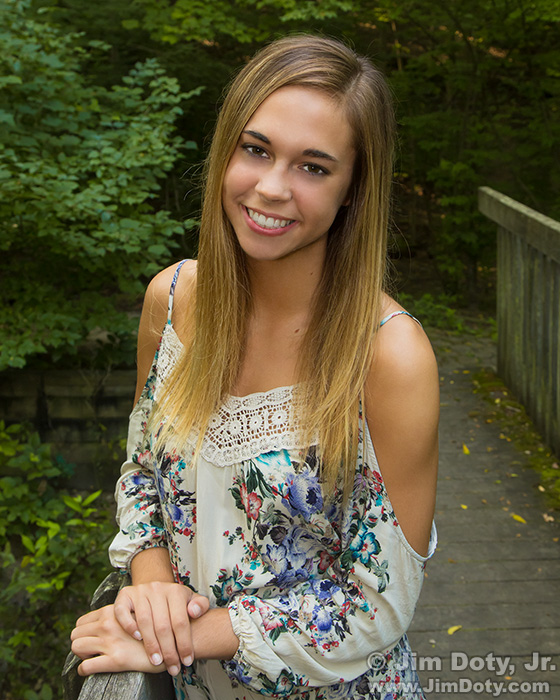
Cloudy bright days are great for portrait photography. No harsh shadows. Soft even, flattering light. So what do you do in the harsh light (at least for most portrait photography) of a bright, sunny day?
Vegetarian Spider?
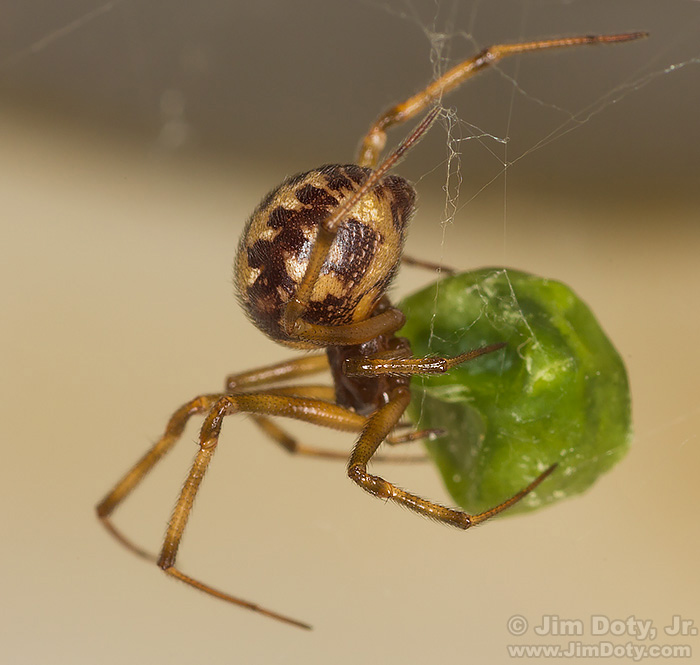
I found this common house spider in our kitchen sink, hanging on to this pea which was suspended from an overnight web. The spider wasn’t moving at all so I touched it gently with the tip of a pen to see if it was alive. It quickly ran up a strand of its web. I left it alone and it eventually came back to the object of it’s interest, the pea. It was time to take some pictures.
Portrait in the Park #1
Update July 24: I decided to take a second look at this portrait and I turned it into an article on Simple Steps to Better Portraits.
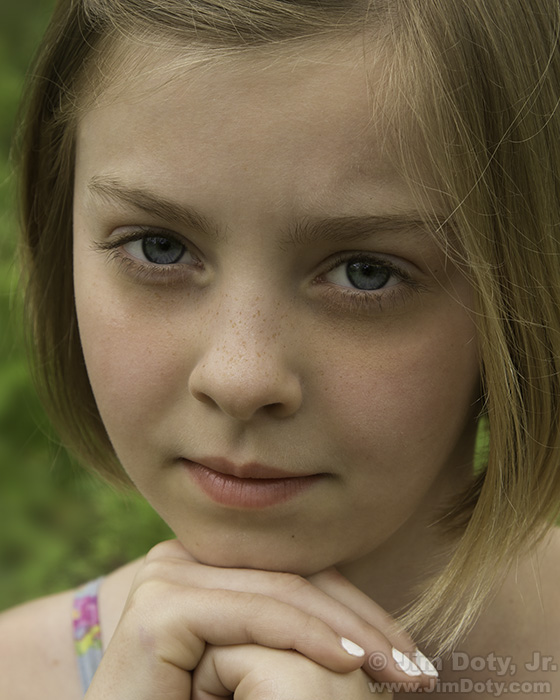
It all started Saturday when this young lady said to her mother “We have great portrait light today. Is Jim available?” It is interesting to note that she knew from past photo shoots that cloudy bright days made for beautiful portrait light.
A Photography How To: “Jewel Box Lighting” at the Franklin Park Conservatory
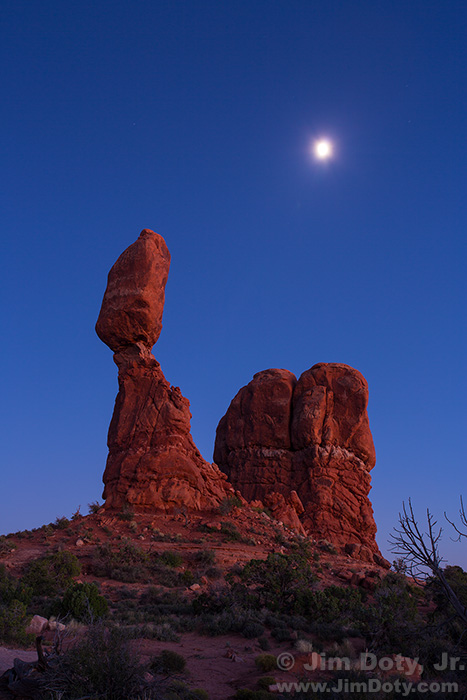
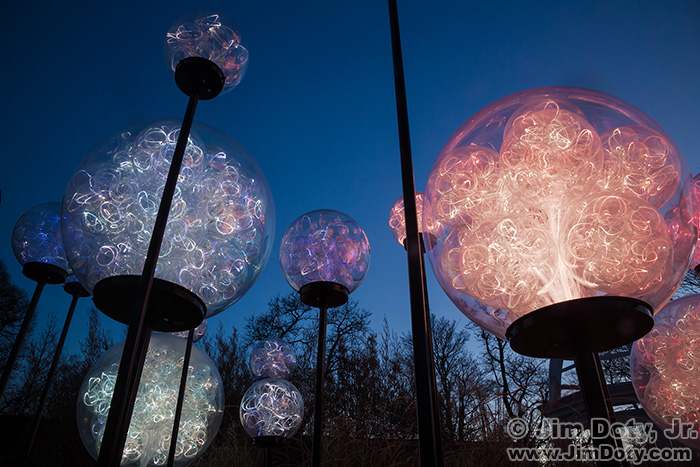
Jewel Box Lighting is the art of combining lights, lighted buildings, or lighted objects with a deep blue evening sky. It is a great way to do photography and the exhibit this week at the Franklin Park Observatory is a wonderful opportunity to practice this technique and come away with some unique and memorable images.
Mixing Flash and Ambient Light for a Christmas Portrait
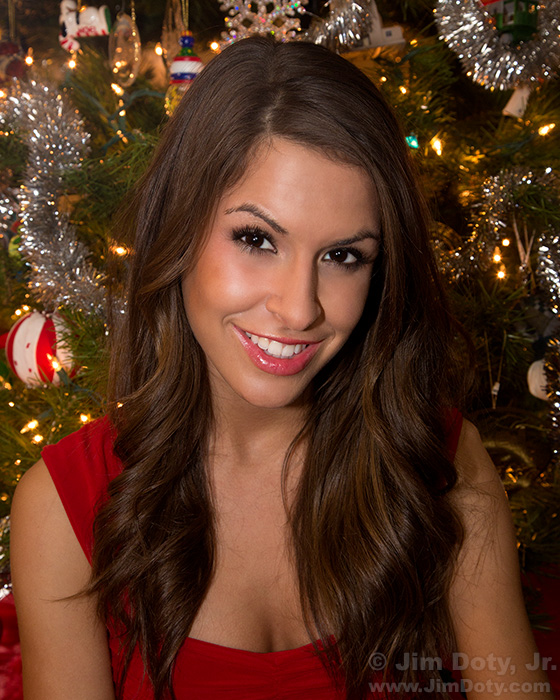
On Christmas eve I found myself doing Christmas portraits for a friend’s portfolio (she is an agency represented model). There isn’t a lot of space in our living room when the Christmas tree is up so I had to improvise a bit with the lighting and I needed to get the right mix of flash and ambient light for the look I wanted.
POTD: Expectations
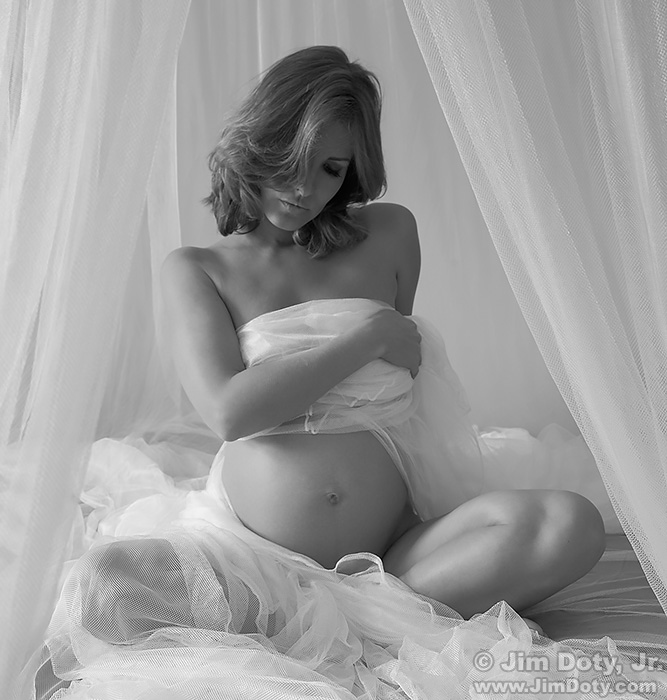
To my eyes there are very few things on the planet that are as beautiful as a mother looking forward to the birth of her child. I love beautiful “baby bump” photography.
How to Do a Window Light Glamour Portrait
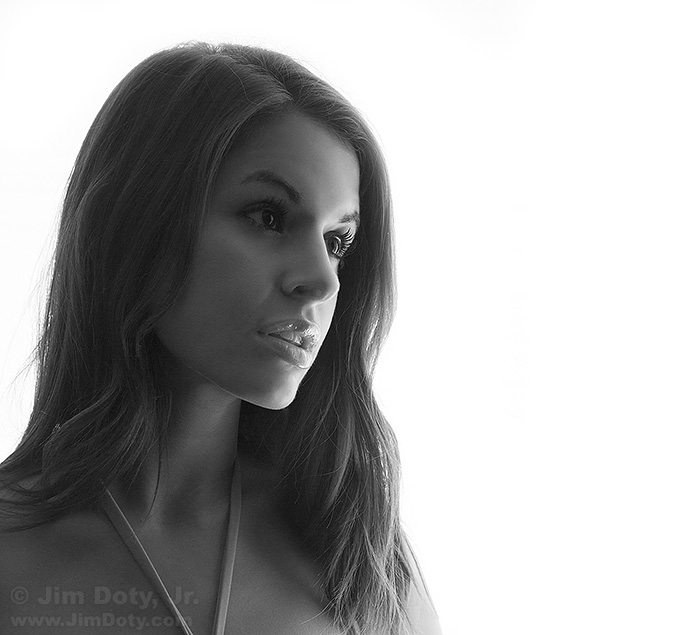
A backlit, window light portrait can be challenging to meter, but the photographic possibilities are definitely worth it.
POTD: Window Light Portrait
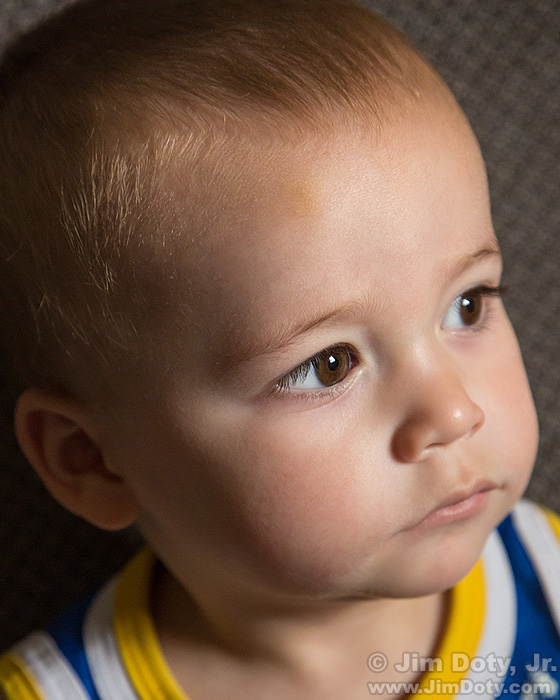
One of my grandsons was sitting next to me in my office looking intently at photos on my computer monitor. The moment was too good to miss so I grabbed a camera.
POTD: Piano Reflection Portrait
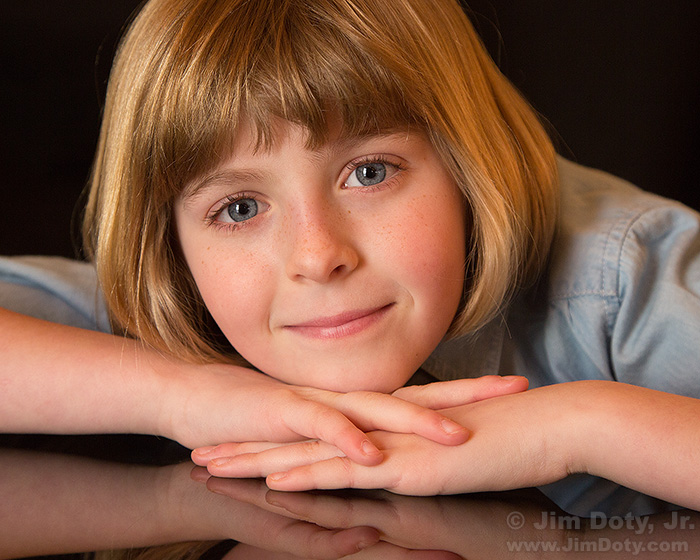
This portrait is from a spontaneous photo shoot. I had three great subjects (sisters), perfect light, and a baby grand piano to work with, and I almost always have a camera and one or more lenses with me.
Bride’s Portrait: Solving Mixed Lighting Challenges with ACR
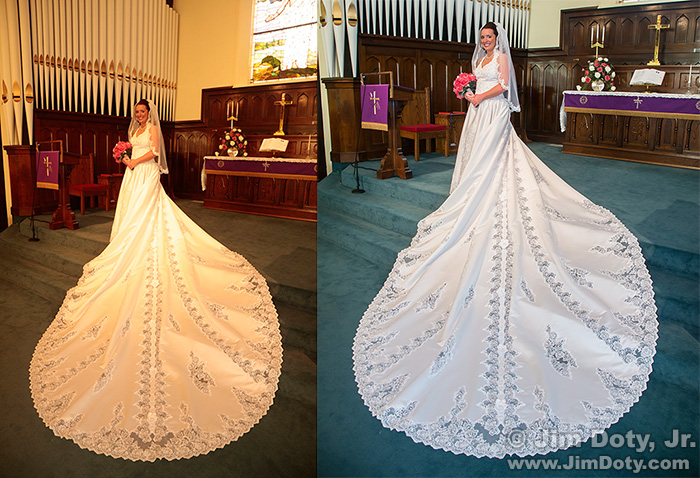
Mixed lighting (lighting with different color temperatures) can be a real color nightmare, especially if you are shooting JPEG files. Shooting RAW files and processing them with Adobe Camera Raw (ACR) is one of the best solutions to the problem. ACR comes with recent versions of Photoshop Elements and Photoshop.
POTD: The Moment of Birth!
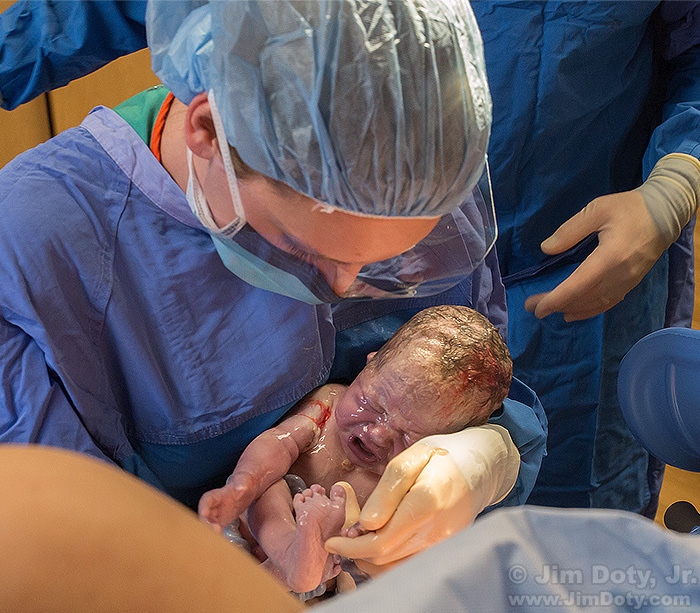
There are very few moments on earth that match the birth of a baby. Such wonder, awe, and love. It was a privileged to be asked by the parents to be there and photograph the big event.
How To Do A Business Headshot
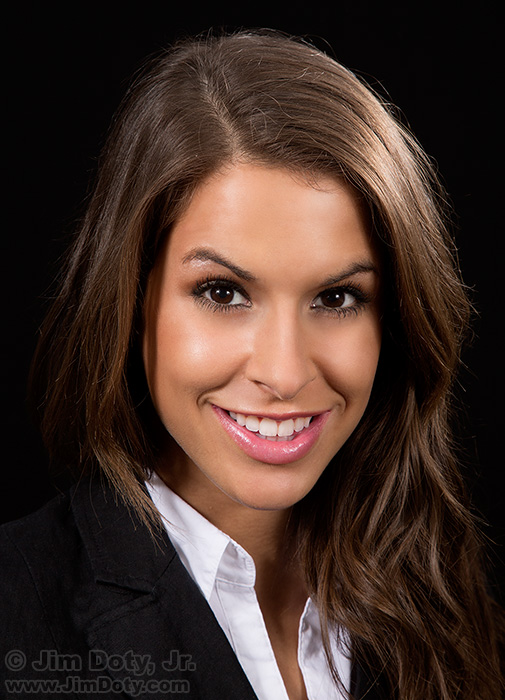
A business headshot requires pretty even lighting.This portrait was created with three studio lights against a black backdrop, a main light, a fill light, and a hair light.
Metering People in the Snow
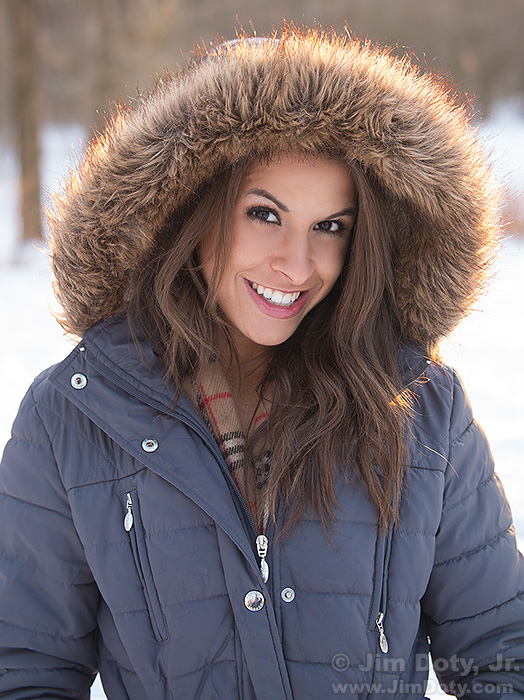
The snow in a winter scene will often fool a camera meter into underexposing a photo, so here are the steps to take to get the right exposure. I throw in a few portrait suggestions too.
Metering Wildlife in the Snow
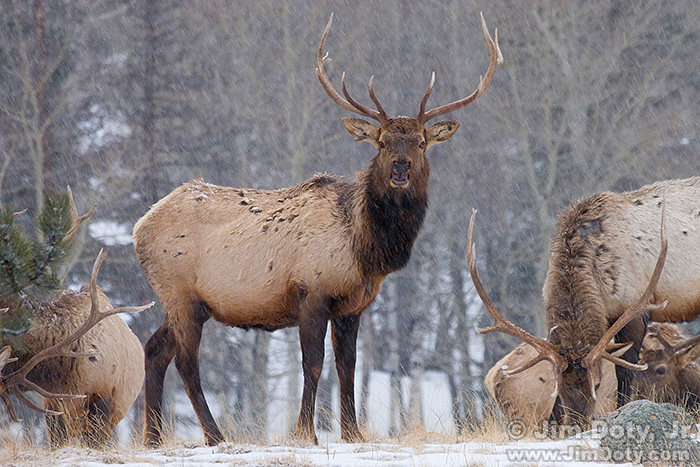
Metering dark toned wildlife in the snow is a major exposure challenge. It is usually best to avoid large “burned out” areas (washed out, featureless white) in a nature or landscape photograph, but with properly exposed snow, the wildlife can be so dark as to lose all texture. On other hand, metering for the wildlife can burn out the snow.