The Sunny f16 Rule: Basic Daylight Exposure (BDE)

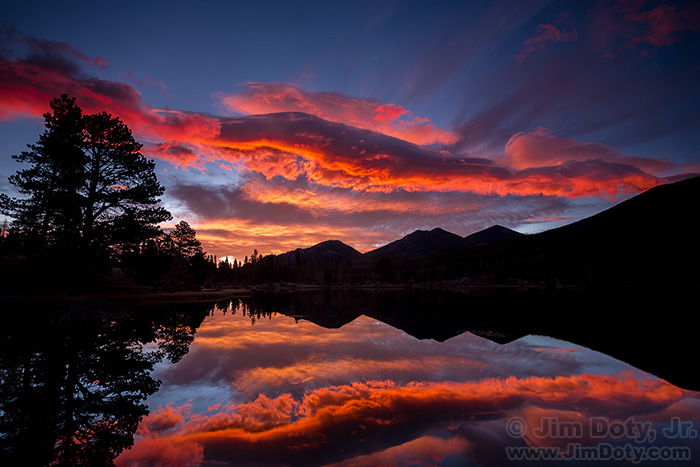
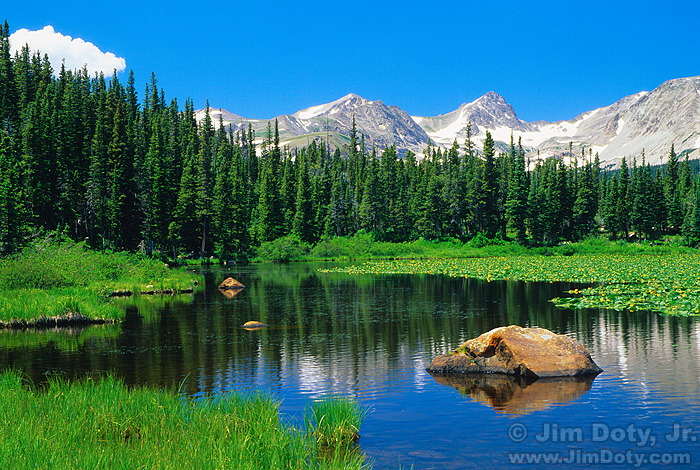
Red Rock Lake, Indian Peaks Wilderness, Colorado

A Quick “Sunny f16” Summary

When the Sunny f16 rule applies, you don’t need a camera meter to get the right exposure. As long as the sun is high in the sky and is not being obscured by clouds, haze, smoke, dust, or other particulates in the air, it is a constant light source. That is why the Sunny f16 rule works in spring, summer, fall, and also winter as long as there isn’t any snow on the ground. (If there is snow on the ground, read this article.) The Sunny f16 rule is also known as Basic Daylight Exposure (BDE) and the “fig” rule because f16 hand written looks like the word fig.  It is pretty simple.
Continue reading

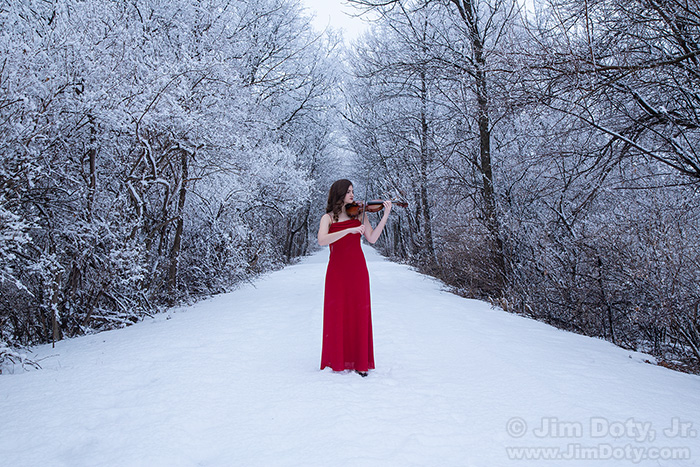
Beth in the Snow

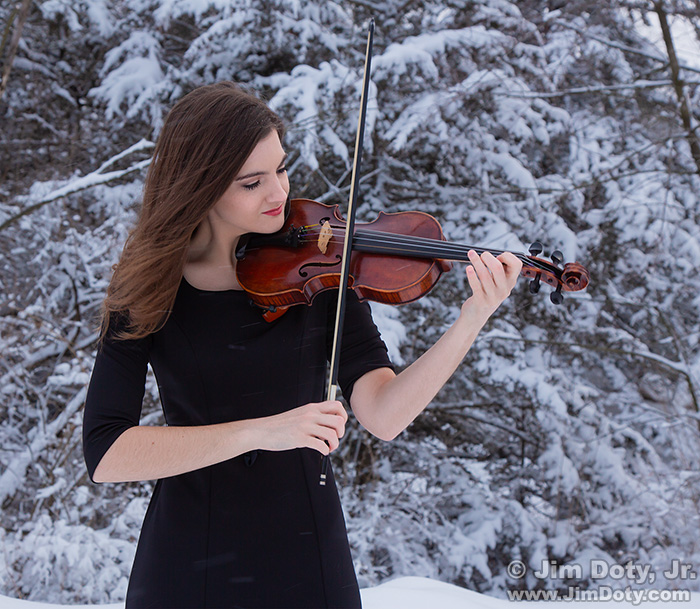
Beth playing her violin in the snow.

February 12 is a red letter day!  It started when Beth and I did a photo shoot in a snow storm in January 2020.  We had so much fun we wanted to do it again. I was working in my office six years ago today and I looked out the window. Big, beautiful snowflakes were falling. I said to myself, “This would be a great day for another photo shoot in the snow.”

Continue reading

The Best Colors Come From the Best Exposures

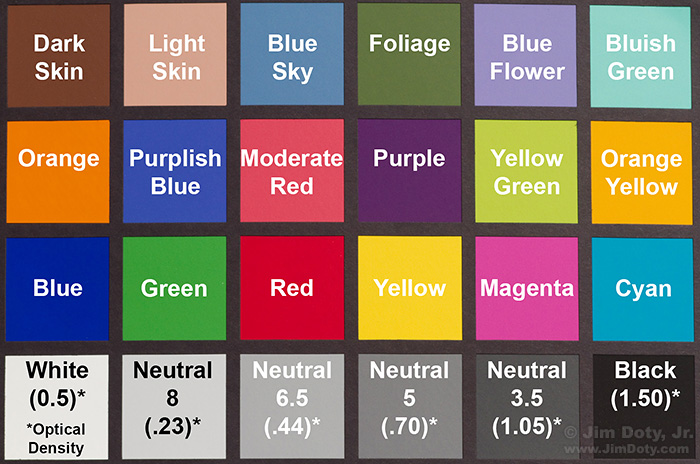
Gretag-Macbeth ColorChecker

Gretag-Macbeth ColorChecker

This has to be one of the least known photographic secrets: The more accurate your exposures are, the better your colors will be. Why? If your exposures are off, the colors in your photograph will shift, and to make matters worse, the colors will shift in different directions. You can correct the exposure in post processing, but you can’t correct the color shifts. Since the colors shift in different directions, if you try to correct one color (as you will see below), the other colors will get even worse.

Continue reading

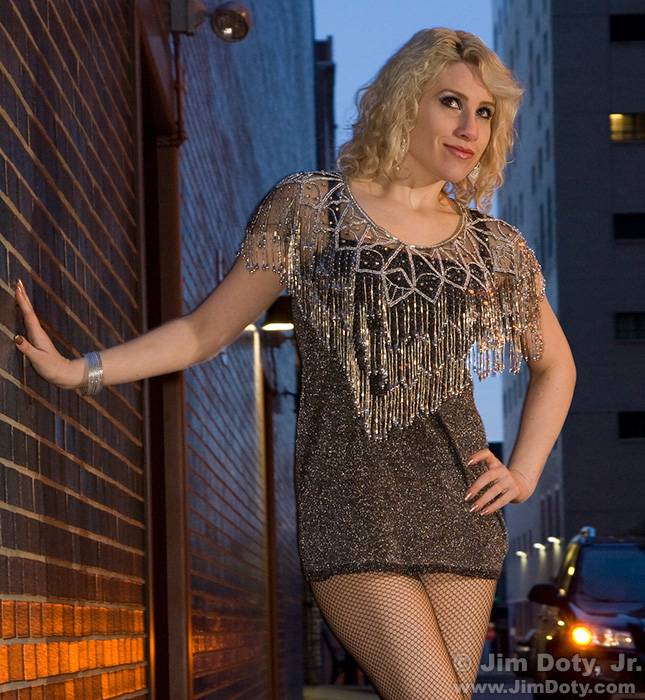
Second Coldest Portrait Shoot

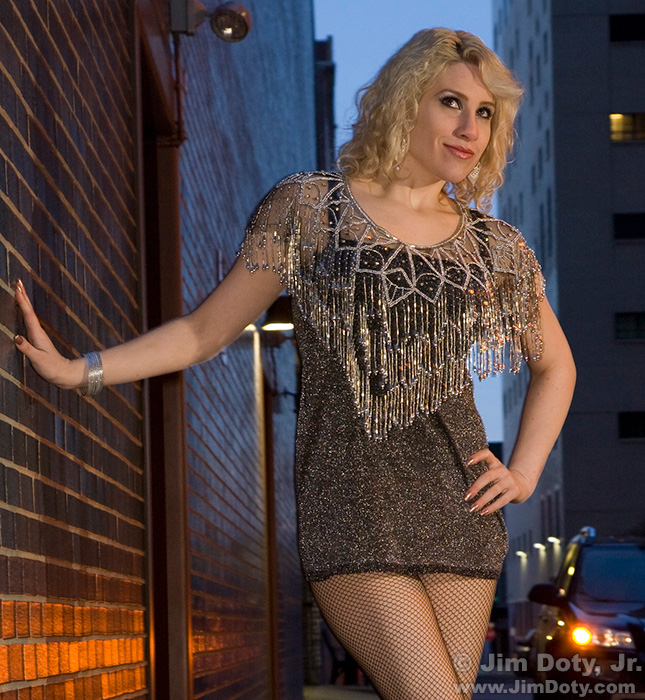
Selina, Downtown Columbus Ohio. January 29, 2010.

Selina, Downtown Columbus Ohio. January 29, 2010, 5:57 pm. Windchill 4°F.

It was 16 years ago this evening. The windchill when I took this photo was 4°F. We scheduled this photo shoot weeks ahead of time and we knew it would be cold in January, but not THIS bone chillingly cold. I contacted her before she left home and asked if she wanted to re-schedule, but she wanted to go ahead with the shoot despite the forecast and she drove up from Kentucky. By the end of our shoot (photo below) the windchill was 3°F. This is my second coldest portrait shoot ever.

Continue reading

Exposure Warning: Turn On The Blinkies

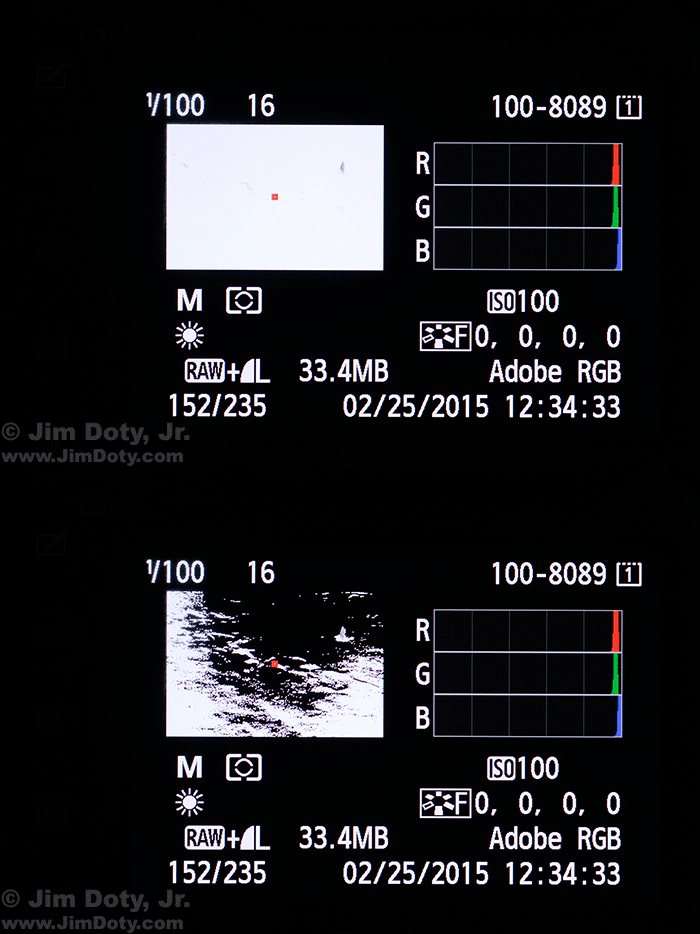
Camera LCD Display With the "Blinkies" Turned On

Camera LCD Display With The Blinkies Turned On. Washed out pixels in the photo are flashing white and black.

Some camera’s come with a highlight overexposure warning, commonly called “the blinkies”. If you have overexposed, blown out pixels, those pixels in your image will flash white and black. A quick look at the LCD image will tell you if part of your image has white, washed out, featureless pixels. If your camera has a highlight overexposure warning, I suggest you turn it on. If you see the blinkies and you don’t want washed out pixels, tone down your exposure until the blinkies go away.

Continue reading

Finding GPS Data in Online Photos

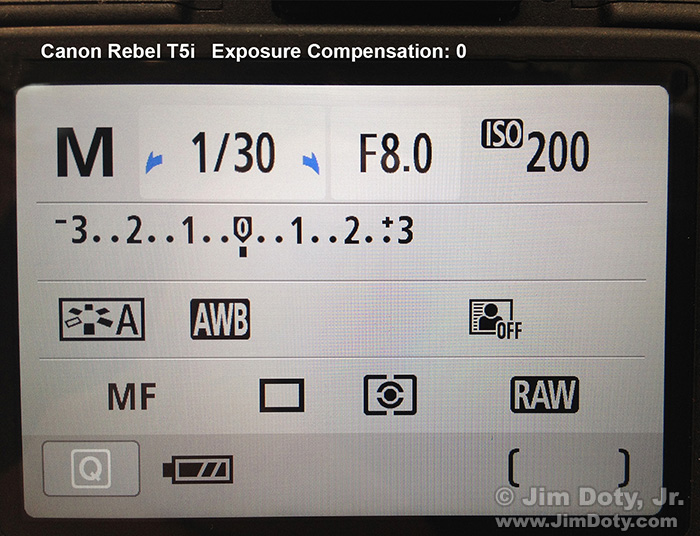
Canon T5i Menu Screen

I was looking at this photo of a menu screen in the article I re-posted this morning about using an exposure compensation scale. I was curious where I was when I created this image. The original article was posted back in 2015. I moused over this image of a Canon T5i screen and it was taken October 16, 2014. That was over a decade ago. I took pictures of the menus on the back of two cameras, one Canon and one Nikon, so I was clearly some place that sells cameras. But where was I? I was in Columbus Ohio at the time and there are a lot of places in Columbus that sell cameras. 

Continue reading

Tim Grey: Digital Photography Expert

Tim Grey has been one of my favorite sources of digital photography information for a long time. I recommend him highly. He is my digital photography guru and I asked him a lot of questions when I was a digital photography newbie. I am still learning from him. He was traveling across the country and we met for lunch in German Village (just south of Columbus) to chat in person.

Continue reading

How To Work With A Model (or Anybody Else) When The Windchill is 4°

Selina

Selina, Downtown Columbus Ohio. Windchill 4°.

You would think a windchill of 4° Fahrenheit (-16°C) would be too cold for a photo shoot, but not with some models. Selina and I booked this January shoot weeks in advance so we knew it would be cold, but we had no idea how cold until the day arrived. Despite the frigid temperatures, Selina did no want to reschedule for later. When we created the image above the windchill was 4°. By the end of the shoot the windchill was 3°.  Incidentally, this image made it into my photography book (page 217). Here’s the story behind this image and how to work with a model (or anybody else) when it is so cold.

Continue reading

One Photographer and Nine Outdoor/Travel Writers Pick the Best Winter National Parks

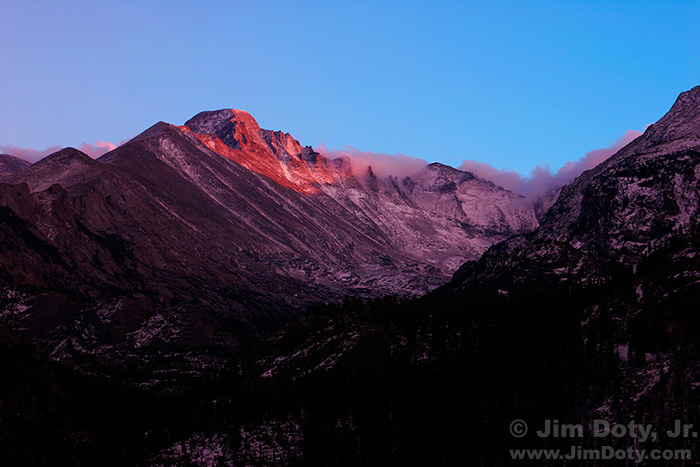
Last Light on Long’s Peak and the Keyboard of the Winds, Rocky Mountain National Park, Colorado.

Thinking about a photography trip to one or more U.S. national parks this winter? You can benefit from the work I have done. Some national parks look better in the winter than others. You will want to make them a priority. After you read this article I recommend you also read the companion article: The Best National Parks to Photograph in Winter.

Continue reading

The Best National Parks to Photograph in Winter

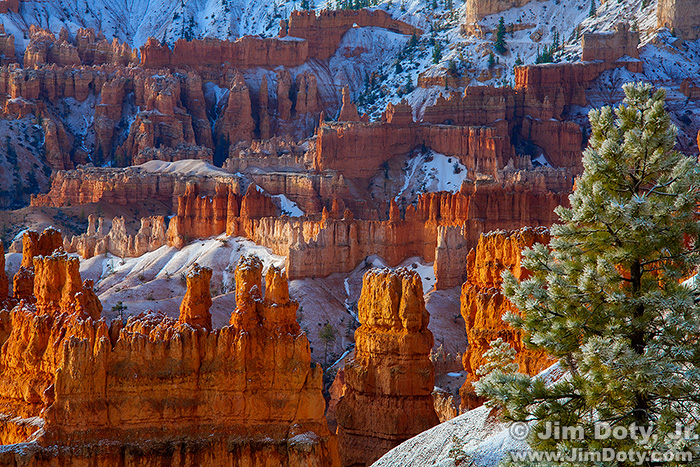
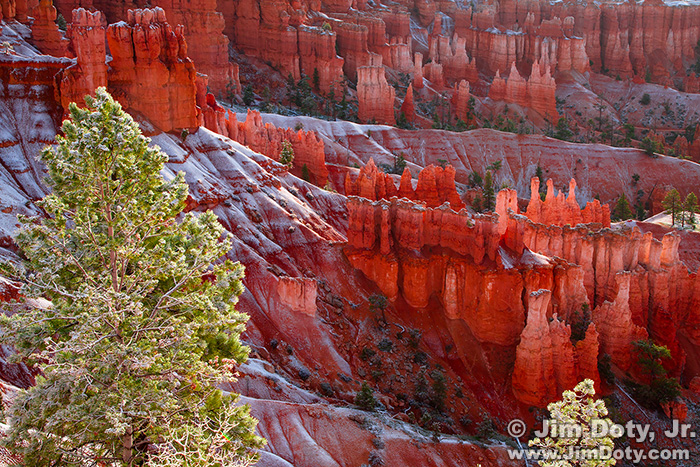
Bryce Canyon

Bryce Canyon

Winter provides some wonderful photo opportunities in our national parks. But some national parks look much better in the winter than others. So if you haven’t gone into hibernation for the winter, here are the best national parks to go photograph this winter, grouped by state from the west to the east. There are a few bonus locations thrown in too. At the end I give you my “best of the best” list.

Continue reading

Testing Your Camera’s Snow Exposure Latitude

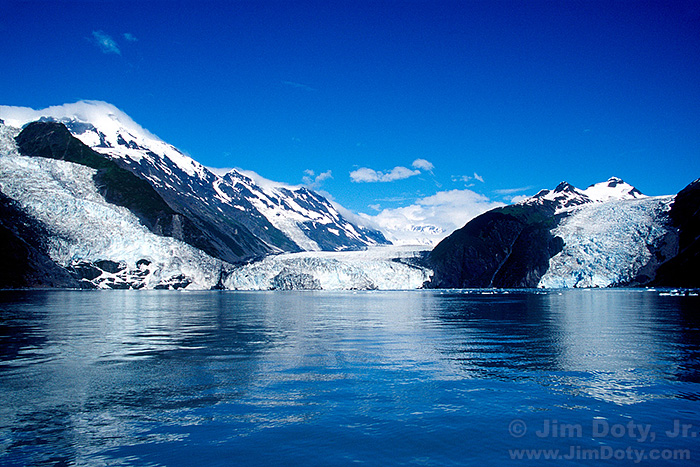
Cascade, Barry, and Coxe Glaciers

Cascade, Barry, and Coxe Glaciers, Prince William Sound, Alaska

The “snow exposure latitude” for every camera is different. You won’t find it in your camera’s manual but it is easy to determine with a do-it-yourself test. Why does it matter? If you don’t know the snow exposure latitude for your camera and how to apply it to your images, the color and quality of your winter photos will suffer.

Continue reading

Winter Photography Safety Essentials

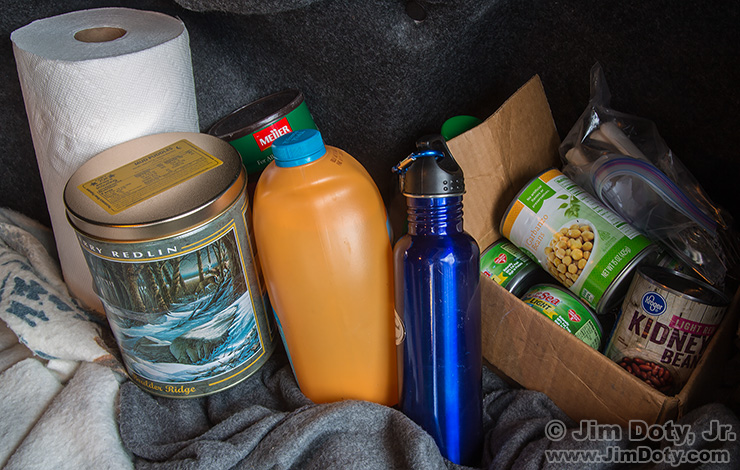
Some of the winter travel items I carry in the trunk of my car.

Some of the winter travel items I carry in the trunk of my car. This is the “kitchen” and “furnace”.

I grew up in Colorado where strange weather can strand you in any month of the year. Even though it is rare, I’ve seen blizzards in the Colorado high country in July. So I learned to carry some safety essentials when doing winter photography in remote locations. You never know when you might be stranded for several hours, a whole day, or longer, until the blizzard abates and someone can come find you. This is what I carry in my car when I hit the road in the winter and pretty much any time I am going to be in the High Rockies. I include a few winter travel tips, too.

Continue reading

Metering Nighttime Winter Scenes

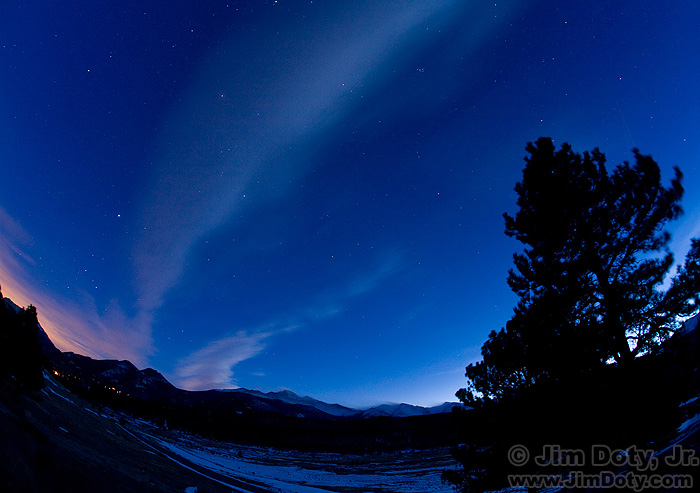
Twilight, Rocky Mountain National Park.

Twilight, Rocky Mountain National Park. Sirius, Canis Major, Orion, Taurus, the Hyades star cluster, and the Pleiades star cluster are all visible in the fading light. Click for a larger version.

You can photograph the night sky year around, but winter brings an added bonus: SNOW! When you don’t have the benefit of moonlight, most of the year land forms a dark to black silhouetted skyline against the night sky. In winter you have the possibility of including the highly reflective snow. You can see both in this photo. Any place not covered with snow is very dark to black. Having reflective snow is why winter is the favorite time of year for a lot of photographers to go out and photograph the night sky.

Continue reading

Metering Wildlife in the Snow, Part Two

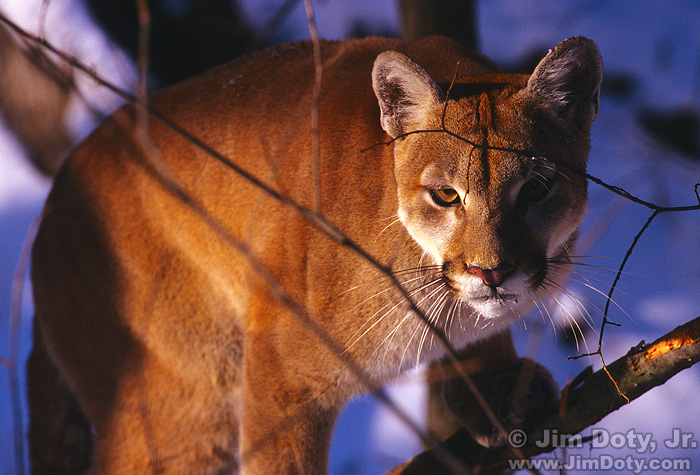
Cougar

Cougar

Most wildlife are medium to dark in tone, making them a challenge to meter properly in the bright, white tones of winter. If you trust one of your camera’s automatic exposure modes, the odds are good you won’t get the best exposure. If you switch over to manual exposure and make the right decisions, you can get great exposures and better quality photos (more about that later).

Continue reading

Metering Wildlife in the Snow, Part One

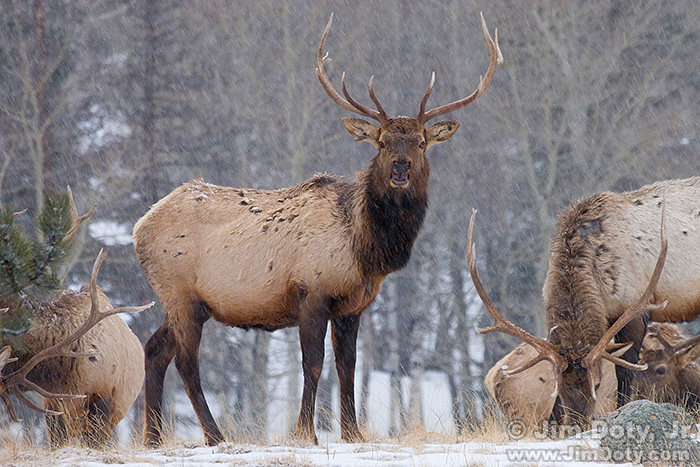
Elk in the Snow, Rocky Mountain National Park

Elk in the Snow, Horseshoe Park, Rocky Mountain National Park, Colorado

Metering dark toned wildlife in the snow is a major exposure challenge. It is usually best to avoid large “burned out” areas (washed out, featureless white) in a nature or landscape photograph, but with properly exposed snow, the wildlife can be so dark as to lose all texture. On other hand, metering for the wildlife can burn out the snow. So what do you do? And what about the complications of metering white animals?

Continue reading

Rating Photos On The Road

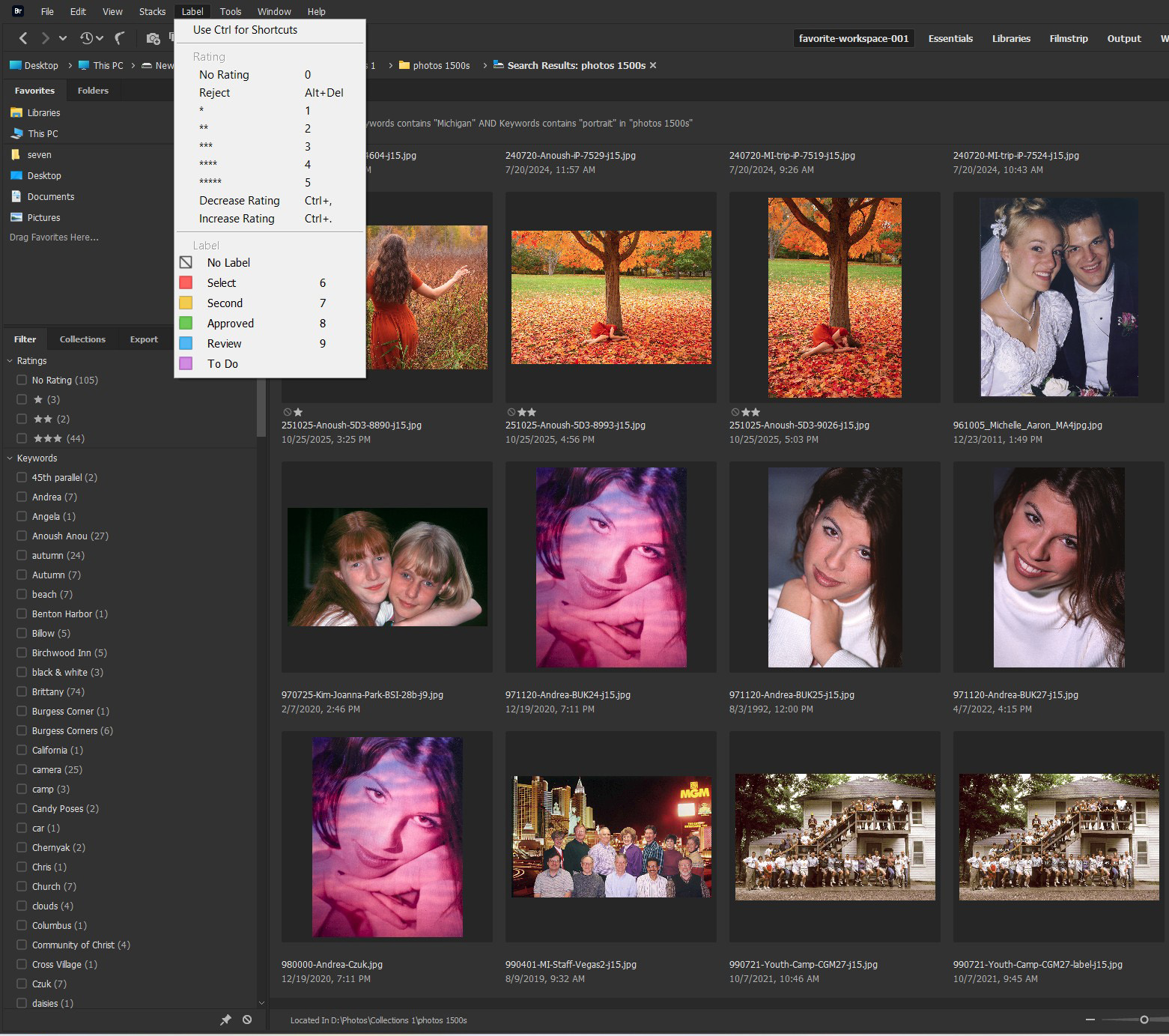
Adobe Bridge, partial screen capture. Click to see a larger version.

For a project I am working on, I opened my “favorite photos” folder with Adobe Bridge to look for my favorite portraits created in Michigan. I did a search for “Michigan” + “portraits” and in less than a second Bridge showed me all of my favorite portraits taken in Michigan. This is a partial screen capture of some the results. (Bridge found a total of 154 favorite portraits taken in Michigan.)  As I looked at the stars under the portraits of Anoush, it gave me an idea that became this article. My camera can rate photos with one to five stars. when I download the photos and open them in Bridge I see those star ratings. Sometimes that can be very important. 

Continue reading

Kristin – Favorite Photo for December 29

Kristin

Kristin, December 29, 2014.

Kristin wanted to know if we could squeeze in a photo shoot while she was home for the holidays. “Of course”, I said. December 29 was the day that worked for both of us. We went to downtown Columbus Ohio to create images. Thanks to the sunshine and the clothes she chose to wear, you would never guess the windchill was 26° during our shoot.  We were texting Christmas greetings to each other and I reminded her how cold it was for this photo shoot. She didn’t realize it was that cold. She was caught up in the memory of the photo shoot.

How to Photograph Christmas Lights with Your DSLR, Mirrorless Camera, or Smartphone

Christmas Lights, Easton, Columbus, OH

Christmas Lights, Easton Shopping Center, Columbus, OH

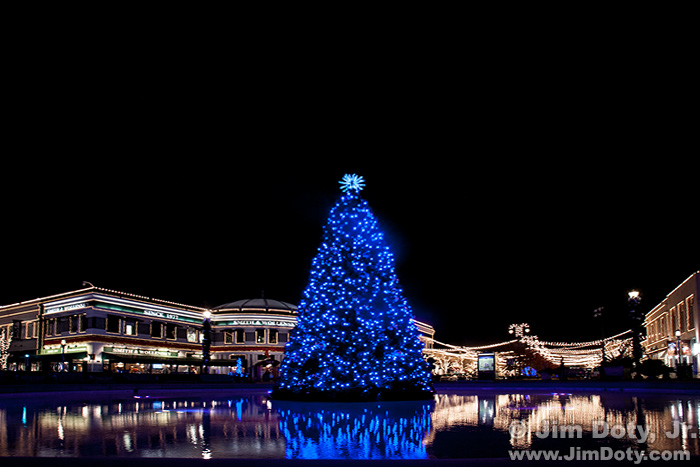
‘Tis the season and there are a lot of Christmas lights out there to photograph. It is fun and easy, and with a few tricks up your sleeve there are creative things you can do. Many of these techniques can be used on other lights throughout the year, so this is a good time to practice your skills for photographing lights.

Continue reading

Ohio, December 18

Autumn leaves, Columbus Ohio. December 17, 2016.

Nine years ago today I was out walking our dog when I found this pile of leaves with some ice pellets. Unless I am surprised in the days to come by some unexpected fall color, this is the end of my “fall color series” for this year.

I have a folder with my favorite fall color trees and leaves arranged by date (without regard to the year). Back in September I got the idea of posting my favorite fall color photos arranged by date. I began this series September 23 with a photo of aspen trees and the Maroon Bells in Colorado. December 17 is currently the photo with fall color. Some time in the future I may have to plan a trip to look for fall color somewhere farther south.

Ohio, December 15

Autumn Leaves, Columbus Ohio. December 15, 2015.

My fall color series continues. In Ohio, Autumn was working overtime to create fall colors. These maple leaves were in our yard. I was surprised there were colorful leaves so late in the fall.