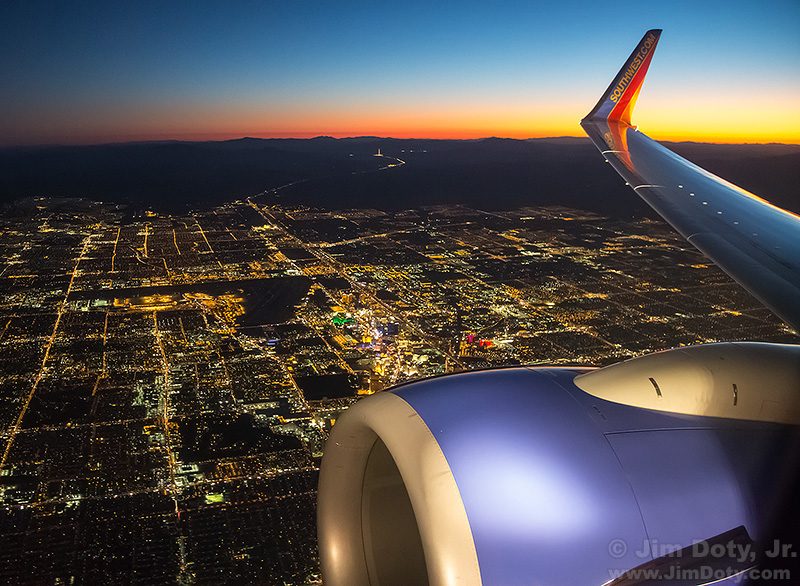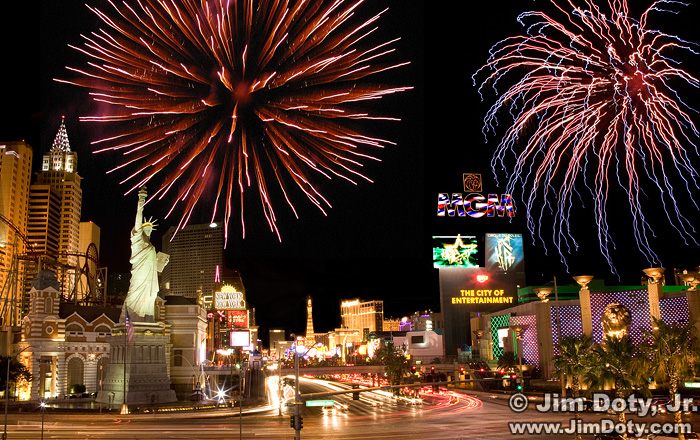
I was getting impatient as our flight was delayed over an hour. I was anxious to get a photo of the Las Vegas Strip from the air before the sun set. But impatience turned to gratitude when our delay made this photo possible.
Category Archives: Photographs
How to Photograph the Milky Way
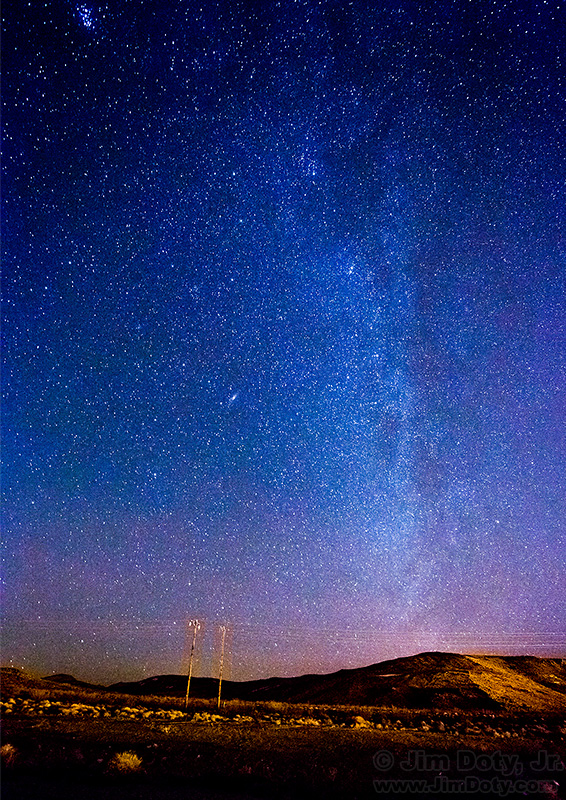
How do you photograph the Milky Way, that milky band of light across the night sky that has our galaxy’s brightest concentration of light? With a wide angle lens and a tripod it is simple if you know a few tricks. Finding a dark enough sky is more of a problem.
Metering People in the Snow
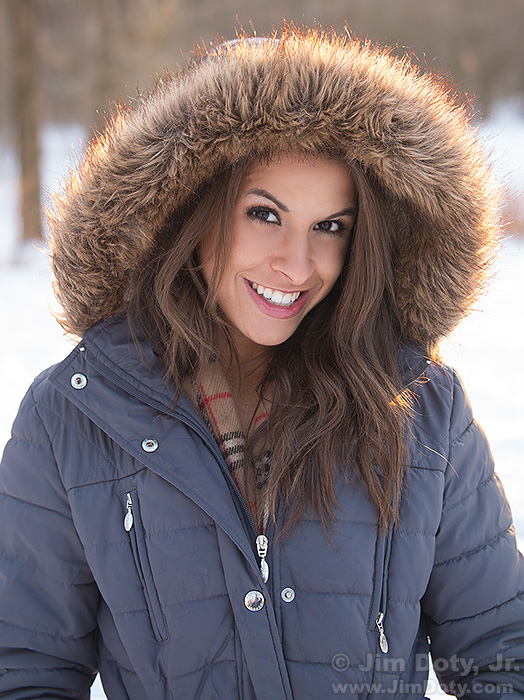
The snow in a winter scene will often fool a camera meter into underexposing a photo, so here are the steps to take to get the right exposure. I throw in a few portrait suggestions too.
Metering Wildlife in the Snow
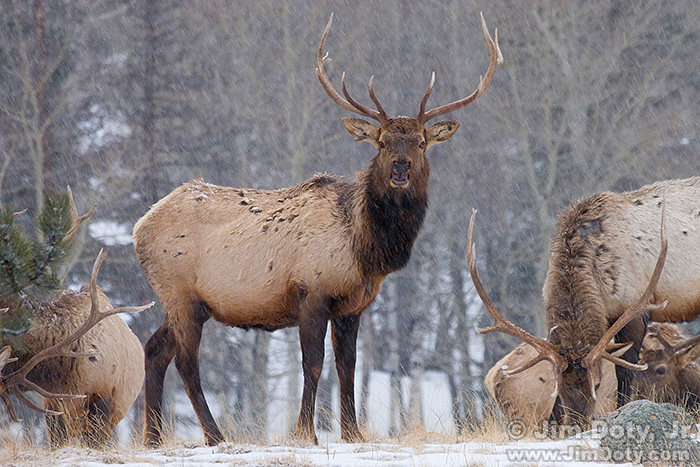
Metering dark toned wildlife in the snow is a major exposure challenge. It is usually best to avoid large “burned out” areas (washed out, featureless white) in a nature or landscape photograph, but with properly exposed snow, the wildlife can be so dark as to lose all texture. On other hand, metering for the wildlife can burn out the snow.
Metering Evening Winter Scenes
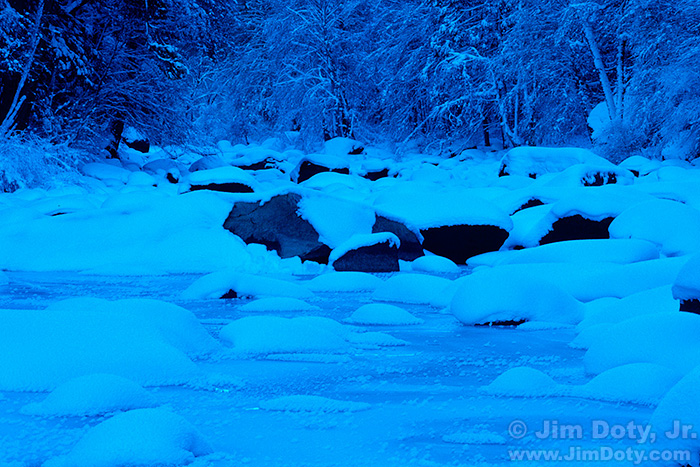
Just like metering daytime winter scenes, the key to metering evening winter scenes is knowing what to meter and deciding how much exposure compensation to use.
Metering Snowy Winter Scenes
Metering for scenes with a lot of snow can be tricky since the snow fools the camera meter. I see a lot of winter photos online with gray, underexposed snow, which means the camera meter did what it was designed to do and the camera owner didn’t know how to use exposure compensation. The solution is quite simple provided you know what to do.
POTD: Vermilion Lakes Sunset
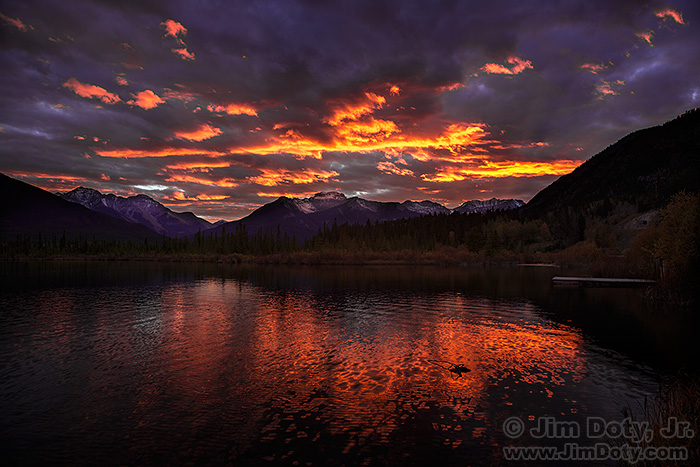
Bad weather can lead to great sunsets. It was rainy day with a leaden gray sky when I picked up my coat, photo backpack and tripod to leave the “fireplace room” at the bed and breakfast in Banff. Some of the other guests asked if I really expected to get any good pictures in the bad weather. “I hope so!”
POTD: Last Light on Mount Rundle
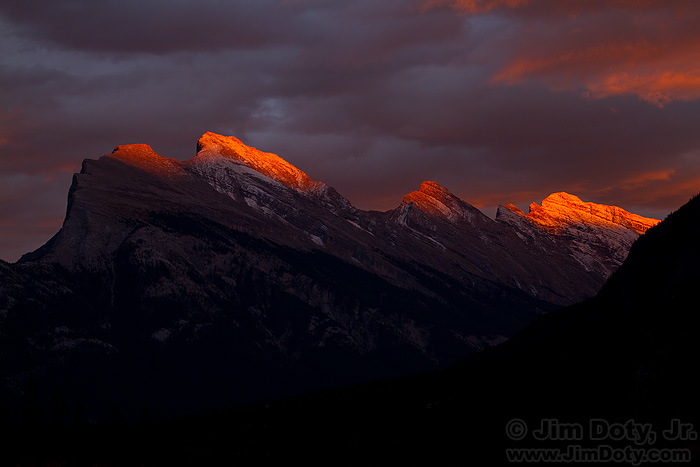
This is a lesson in patience. Most photographers missed this sunset. I was on location four separate evenings hoping to capture stunning sunset light on Mount Rundle. It only happened once. It also helps to know where to be, when, and how to meter in high contrast lighting situations.
Bobcat: Fast and Simple Tonality Adjustments with Adobe Camera Raw
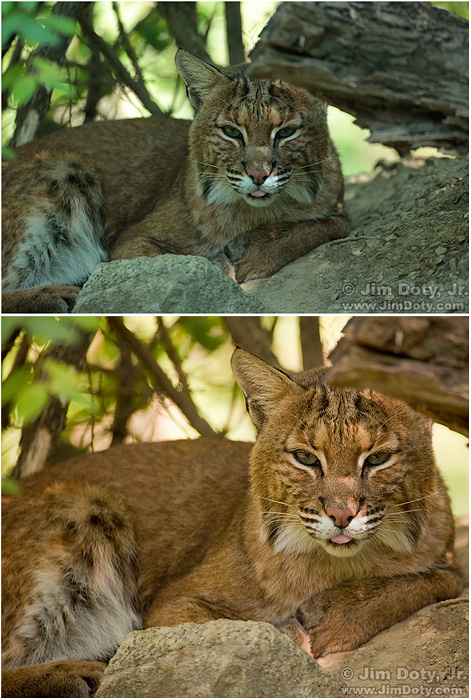
With the right software, you can do amazing things. There are some lighting situations where it is almost impossible, and certainly not practical, to get the correct white balance setting in the camera. This bobcat photo is an example. The best, fastest, and simplest solution is to get the right while balance setting after the fact using software like Adobe Camera Raw (ACR). A few minutes work with ACR can make a huge difference in the look of your photo.
Best iPhone/Android Apps for Photographers: Painteresque
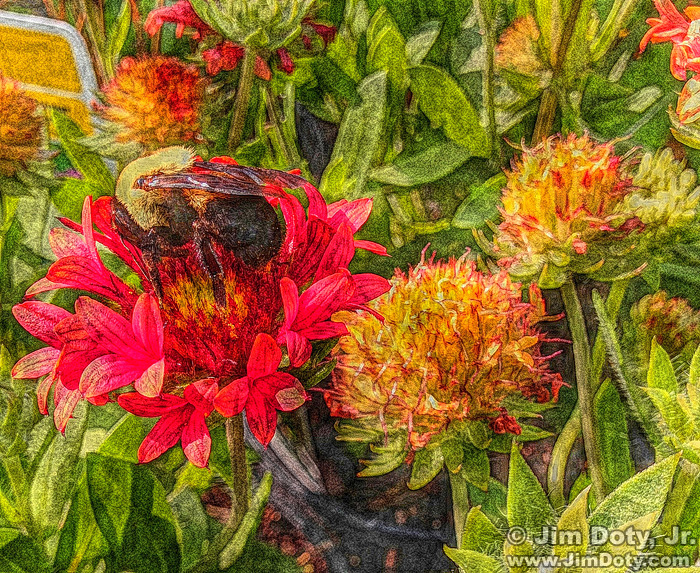
There are a lot of apps that claim to jazz up your iPhone and Android photos. A few of them will actually do wonderful things to your photos. If you want to turn some of your photos into “paintings”, there is a great app that will do that for you.
Relight the Sign on the Yukon Oklahoma Mill
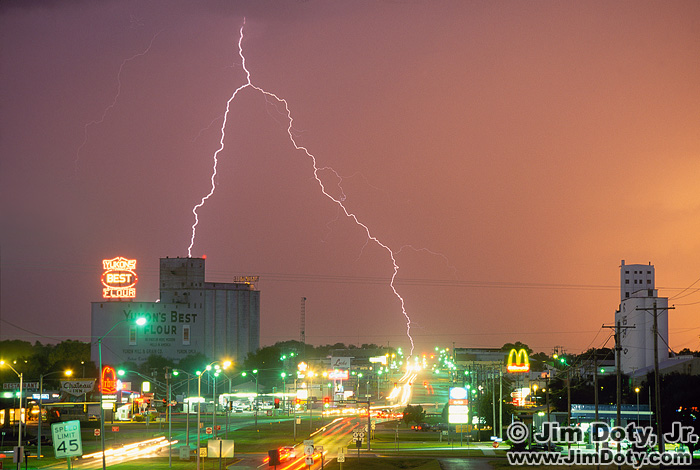
The unique photo above was taken during a thunderstorm over Yukon Oklahoma. The view is looking west on old U.S. 66, “the Mother Road”. You can see the lighted sign over the “Yukon’s Best Flour” mill. The sign is no longer on, so the Friends of Yukon are raising funds to relight the sign. To support this project, I am donating 20% of all sales of my Yukon Oklahoma prints to relight the sign.
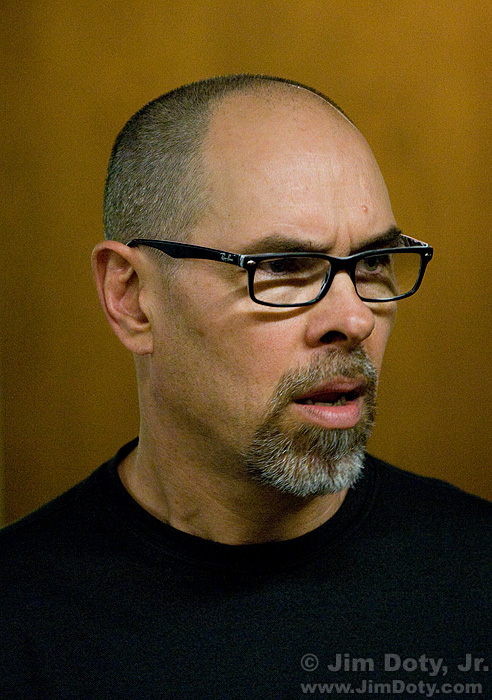
Portraits During Events
When doing photographic coverage of events, it is important to do some closeup portraits of people involved in the event. I always look for participants with interesting faces.
How to Photograph Fireworks
You can point your camera at the sky in auto exposure and autofocus modes and fire away whenever you see a burst of fireworks, but for the best quality photos, it helps to know a few tricks of the trade. It’s easy when you know what to do.
Portraits on a Covered Porch
On a sunny day, a covered porch can be ideal for portrait photography, especially if it is facing south. A covered porch gives you nice soft light which is ideal for portraits.
National Geographic’s Kurt Mutchler at OSU
OK, admit it. If you are serious about your photography, you would like to see one of your photos in National Geographic. Sadly, the odds of that are about as good as they are for starting in an NBA basketball game. So the next best thing is to meet one of National Geographic’s photo editors. That dream came true for me last week.
Two Sons and Two Spiders
I visited my two sons over Memorial Day weekend, and coincidentally, both of them have spiders living in their homes (with their blessings).
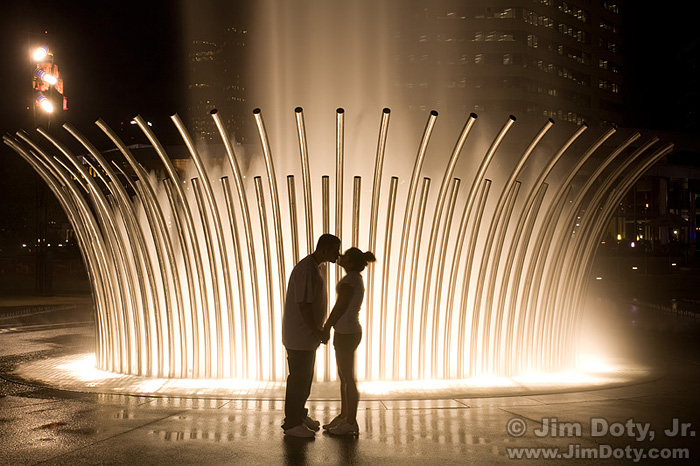
Fountain Kiss, Bicentennial Park
I was working on my last photo of the day for the “Picture Today, Inspire Tomorrow” project on May 15 at ADAY.org (more info here). When I planned my day, I wanted to end up at the fountain at the new Bicentennial Park in Columbus, Ohio. It is a great place to take pictures. As I visualized the image ahead of time, children would be playing at the fountain, creating blurry silhouettes. I already have a “children in the fountain” photo in my files, but all photos had to be taken on May 15.
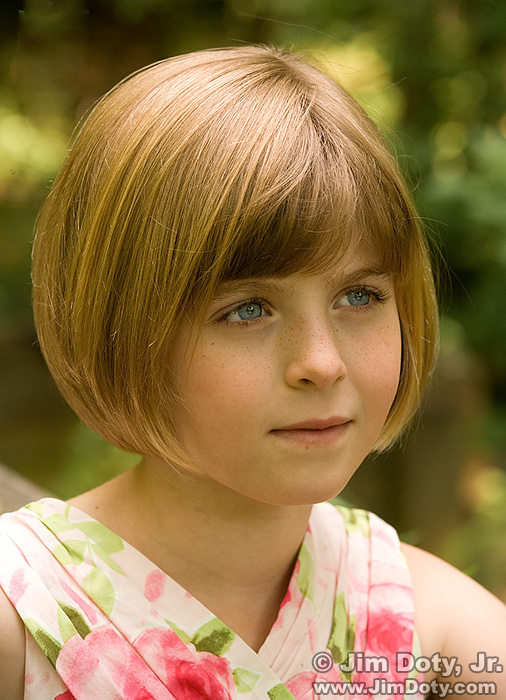
Portrait for “Picture Today, Inspire Tomorrow”
May 15 was “Picture Today, Inspire Tomorrow” day. All around the world people were invited to take pictures of their day and upload them to ADAY.org. All photos had to be taken between 12:01 am and 11:59 pm local time. Uploads were limited to a maximum of 10 photos.
Best Books: Desert Solitaire by Edward Abbey
If you are heading for Arches and Canyonlands National Parks (and you should if you are a photographer), I highly recommend you read Desert Solitaire by Edward Abbey before you go. No other book will give you quite the feel that Abbey does for what this harsh and unforgiving land was like more than a half century ago before it became more accessible to the average tourist.
Tomorrow is the Day! Take Pictures!
Tomorrow, May 15, is “Picture Today, Inspire Tomorrow” day. It is the day to take pictures of your daily life and be part of an international photo day. This is kind of like the “Day in the Life” books, except anyone can participate, it is international, and it is non-commercial. All photos must be taken on May 15 between 12:01 am and 11:59 pm local time.
Photography in Arches National Park
Arches National Park is an iconic destination for both tourists and photographers. It is one of the more spectacular locations in North America with a wealth of photographic possibilities in Arches and other nearby parks.
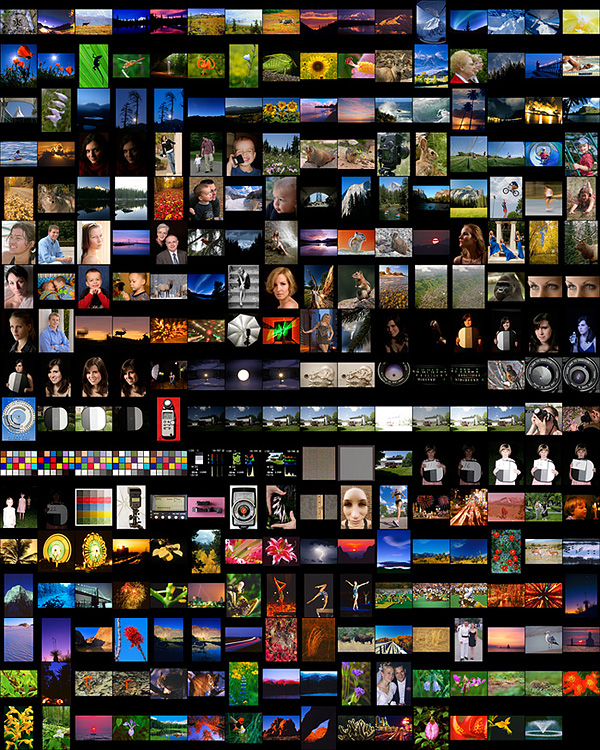
All 271 Book Photos
The digital contact sheet above has all 271 photos in Digital Photography Exposure for Dummies. Curious about the statistical breakdown of the photos, I gathered them all together and went through them one by one to make note of the location, the type of photo (portrait, landscape, etc), camera used (film or digital), and the year each photo was taken. Obviously, the photos reflect the content of the book. You would expect to see wildlife photos in a chapter on wildlife photography. But I thought the photos might say something about my general photographic preferences as well.
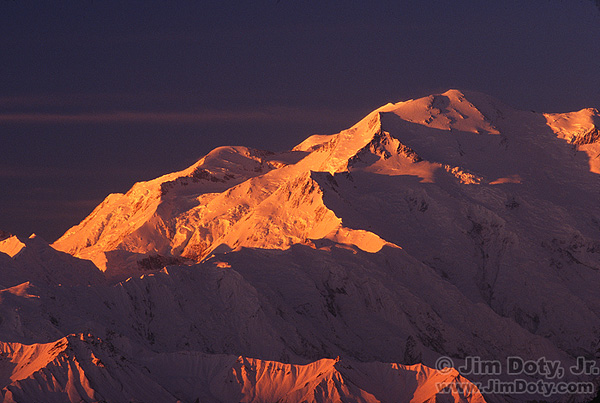
Denali: Capturing Great Morning Light
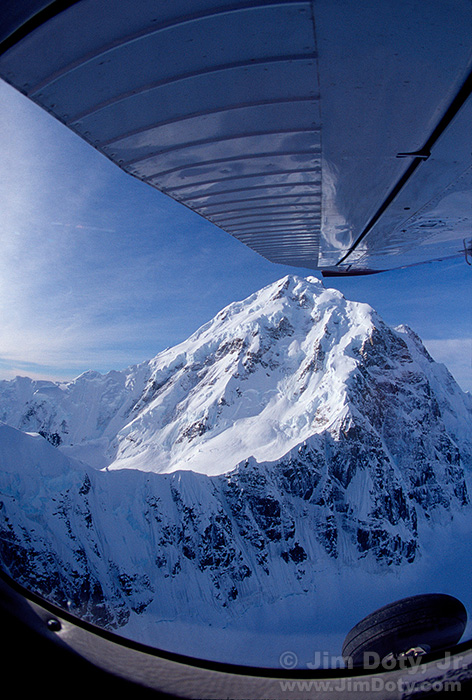
Mastery of light is a key to great photography of any kind. Anticipating great light in order to be in the right place at the right time is one of the keys to great landscape photography. I was searching for great light on Denali (or Mt. McKinley as it is called in the lower 48).
Better Portraits: Focus On the Eyes
Do you want to create better portraits? One of the simplest and best ways is to focus on the eyes. Countless photos lose their dramatic impact because the eyes are blurry. Of course their are times that you might be creating an artsy, unusual image where the eyes are deliberately blurred, but 99 times out of 100 the eyes should be sharp.
POTD: Last Light on El Capitan
Yosemite National Park is a spectacular place to visit in any season of the year. If you are there in the winter, the ideal time to create images is right after a snowfall when snow coats the trees.
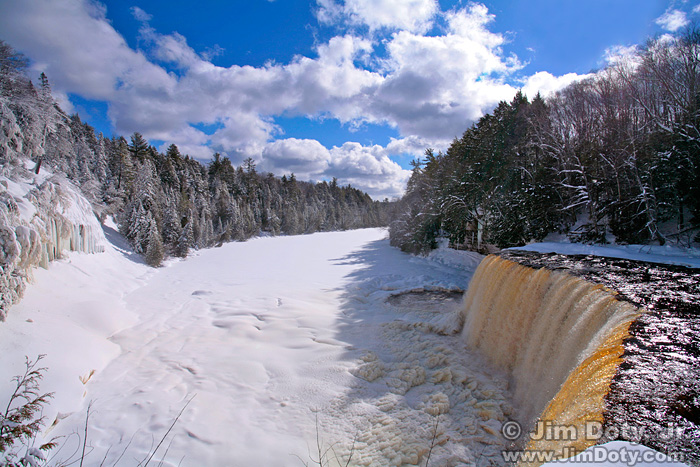
POTD: Upper Tahquamenon Falls, Winter
Tahquamenon Falls State Park in Michigan’s Upper Peninsula is a great place to visit any time of the year, including winter. This view from the lip of the Upper Falls looks down the Gorge at the snow and ice covered Tahquamenon River.
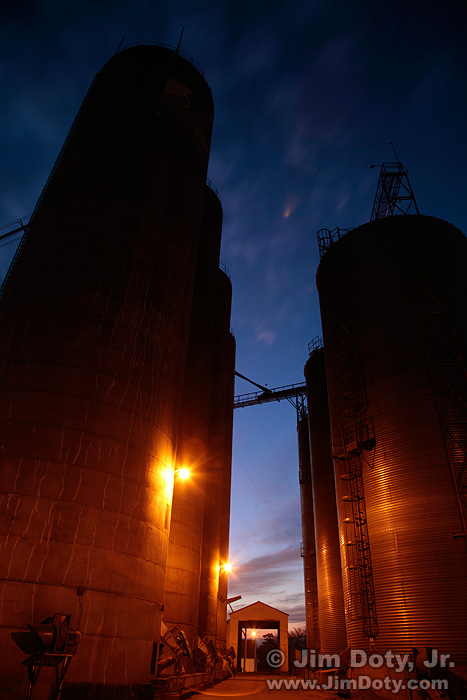
POTD: Grain Elevators at Dusk
Any time you can mix warm and cool light (in terms of color temperature) you have the possibility of an interesting photo. I was attracted to the cool, blue sky (almost an hour after sunset) and the warm orange light on the grain elevators.
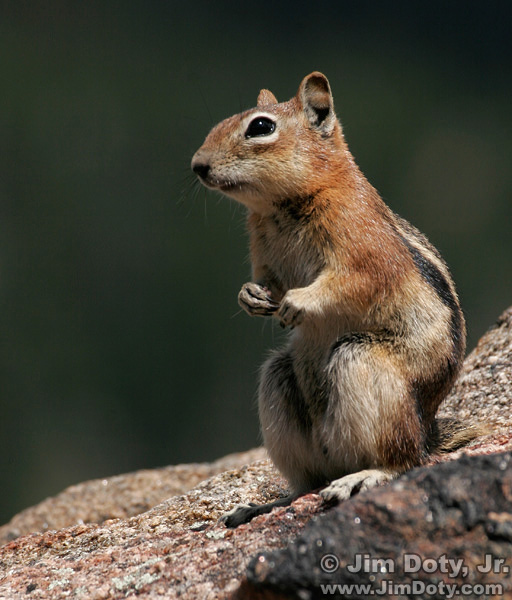
POTD: Golden Mantled Ground Squirrel
One way to make your subject “pop” is to isolate it against a soft blurry background.
Lens Apertures and Depth of Field
One of the wonders of exposure is that dozens of aperture, shutter speed, and ISO combinations can provide exactly the same exposure (the overall lightness or darkness of an image), but very different artistic “looks”. Experienced photographers know which exposure combination to choose to get the image they want. Inexperienced photographers who leave the camera on program mode are turning all of the artistic decisions over to a computer chip.
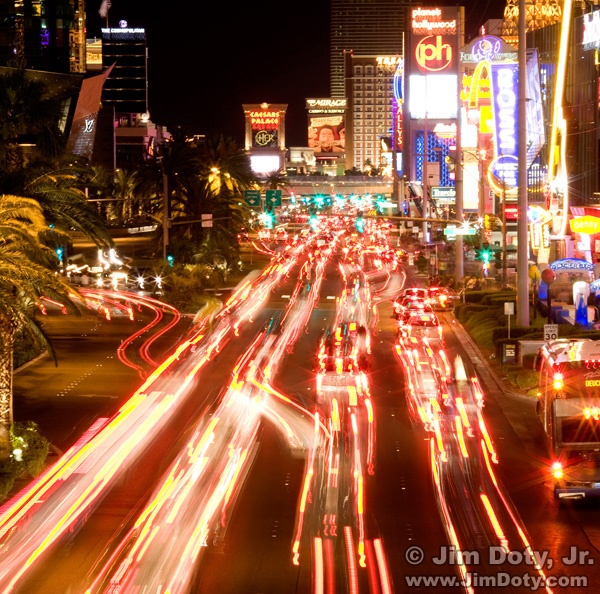
POTD: “The Strip”, Las Vegas
With long shutter speeds, you can capture the passage of time in a way that your “instant snapshot eyes” can’t. Your eyes and brain are capturing a rapid series of individual images and turning them into motion, while a still camera can capture one very long image. You can create images with a camera that your unaided eyes can’t create.