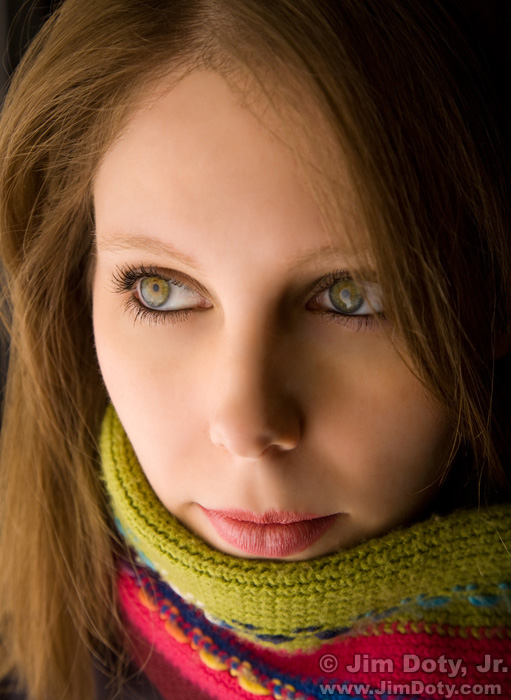
This is the last photo of a photo shoot that should have gone a little longer. But my camera broke. So many people kid about “if you take my picture it will break your camera” that I was tempted to say to her “You broke my camera!”
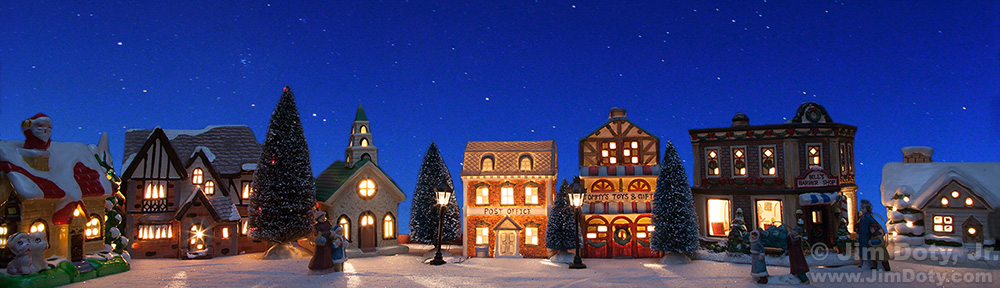
This is the last photo of a photo shoot that should have gone a little longer. But my camera broke. So many people kid about “if you take my picture it will break your camera” that I was tempted to say to her “You broke my camera!”
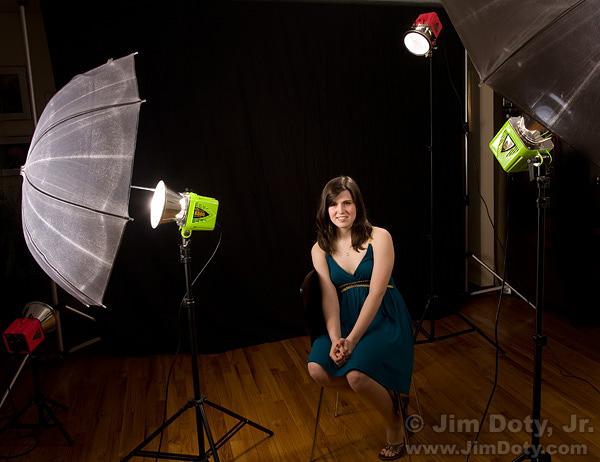
AlienBees Studio Lights
For the best combination of quality and price, it is hard to beat AlienBees studio lights. I’ve been using AlienBees in my studio (and on location) for 9 years, and like so many other photographers, I’ve been singing their praises. It would be hard to find the same quality for less money.
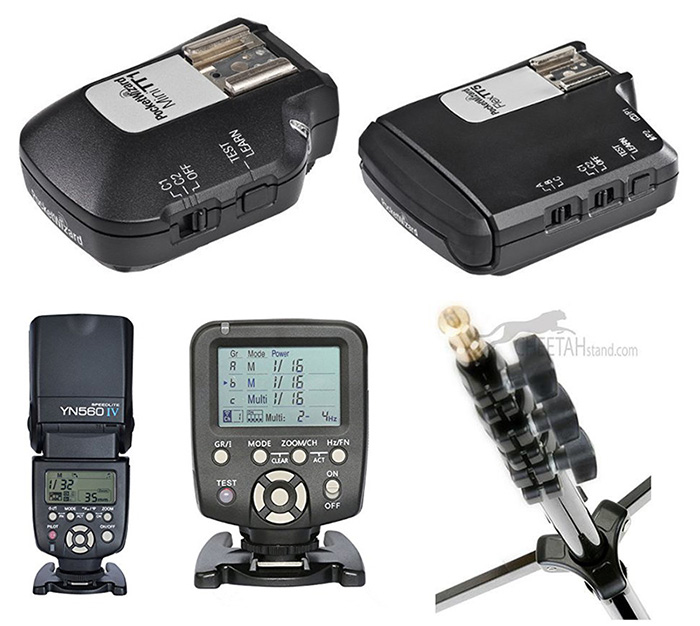
There are lots of advantages to getting your flash off the camera, and it is probably much less expensive than you think. If you shop wisely, you can get a radio transmitter for your camera plus an off-camera flash with a built in radio receiver, all for $111. A $20 adapter will mount the flash on your tripod. You are all set for only $131. If you want to soften the light, a 43 inch umbrella that mounts in the same adapter costs $22. So if you already have the camera and tripod, the whole off camera flash set up is only $153.
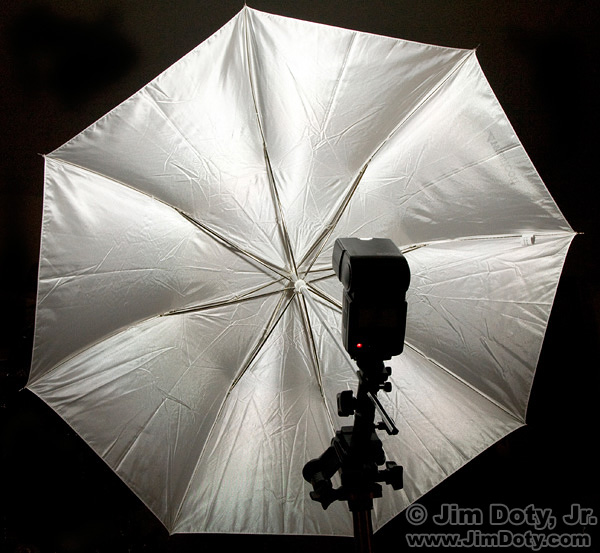
Umbrella, flash, and flash bracket on a tripod.
Photographers are always looking for ways to soften the light when doing portraits. The light from an accessory flash can be quite harsh so there are a wide range of modifiers to soften the light for more pleasing portraits. Here are my favorites.
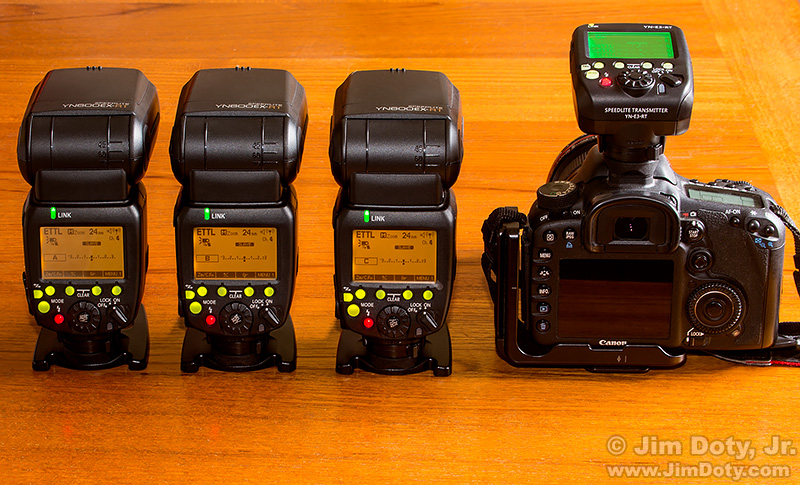
Yongnuo 600EX-RT Speedlite and Yongnuo YN-E3-RT Transmitter. Click to see a larger version.
Should you spend $469 on a Canon 600EX-RT speedlite, or $120 on Yongnuo’s nearly identical clone, the YN600EX-RT? And what about the radio transmitters? Canon’s is $285 and the Yongnuo copy is $88.00. So you can buy three Yongnuo speedlites plus the radio transmitter for less than the price of one Canon speedlite. The price advantage is clear, but what about quality, reliability, and service issues?
Posted Dec. 7, 2015. Updated Nov. 20, 2017.
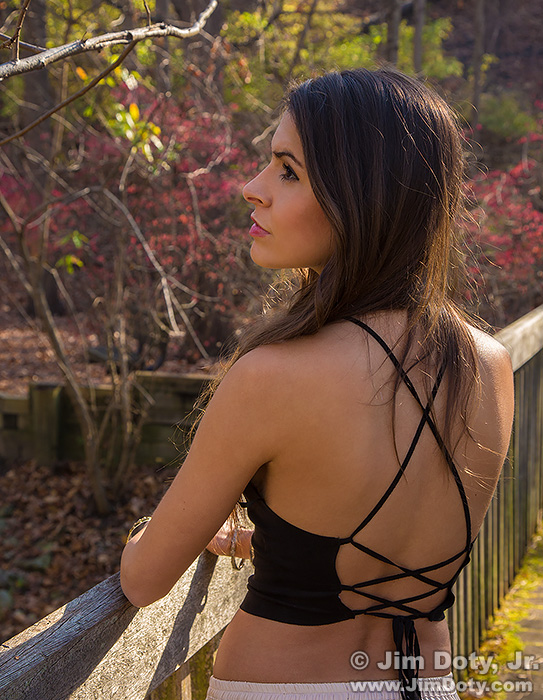
Kristina. Sunlight coming from the right. Halo softbox with Yongnuo speedlite providing light from the left.
After testing a Bob Davis 45 inch Halo Softbox and Yongnuo YN600EX-RT radio flash on my most available model (my dog), I needed to test it out on a real model. Opportunity called in the form of a message from Kristina, a professional model based in Los Angeles (and an absolute delight to work with). She would be in Ohio for Thanksgiving and she wanted to schedule a shoot. I was leaving town for Thanksgiving, but fortunately for us we had one day to shoot after she arrived and before I left.
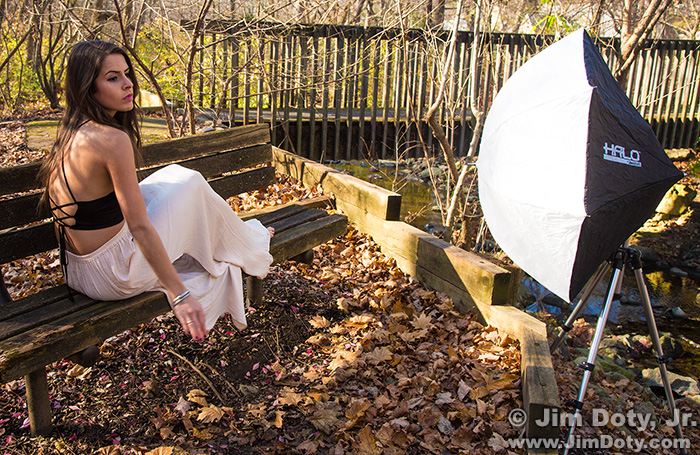
Halo Softbox set up on location and ready to use. The radio controlled flash and umbrella adapter are inside the softbox.
If you have never used an umbrella adapter to put a flash and umbrella or softbox on a tripod or light stand, the steps below will show you exactly what is involved. If you have already used an umbrella adapter, setting up a Halo softbox will be ridiculously simple for you. Skip to the Halo section below.
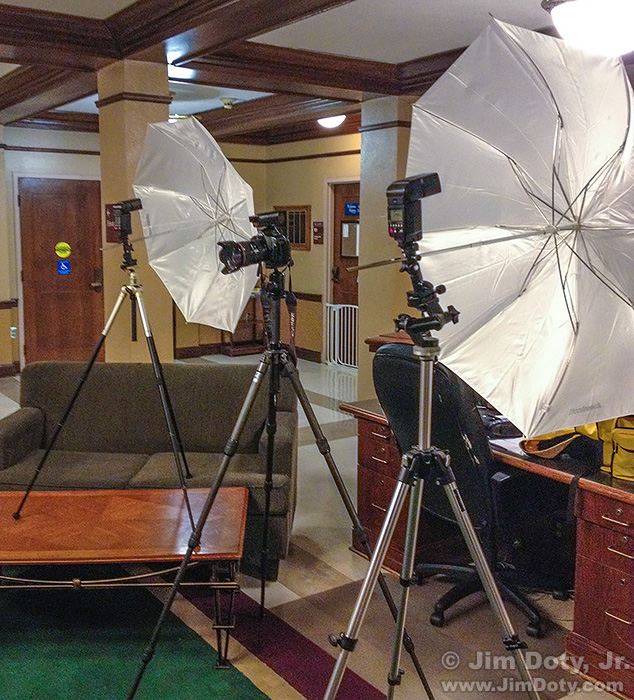
Portable “studio in a backpack” set up and ready to go.
If I am visiting family and friends and traveling by car, I usually bring my “studio in a backpack”. I never know when I might be asked to do some portraits and having some studio gear along helps create better images (especially when natural light is not a very good option). If you want to do portraits on the road, these items might be useful for you too.
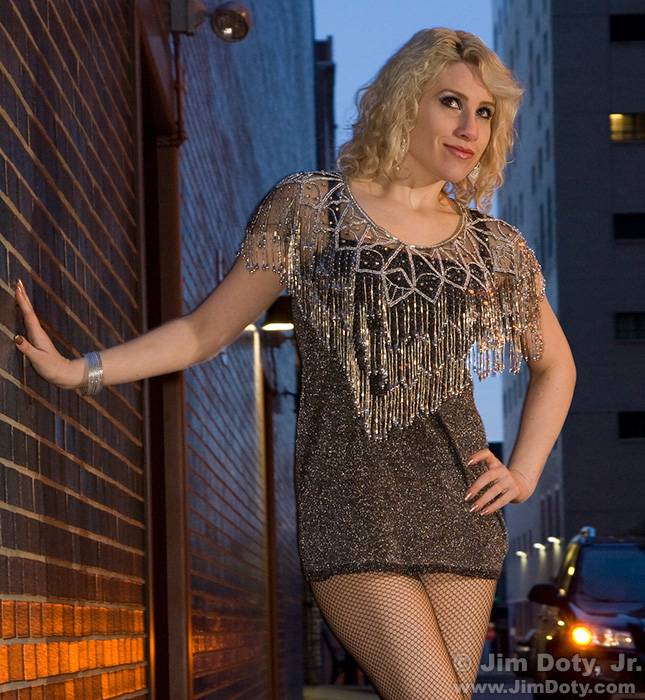
Selina
Why use an off-camera flash? It gives you more lighting options. And much of the time, the light from an off-camera flash is just plain better. The image above was created with one flash to camera right.
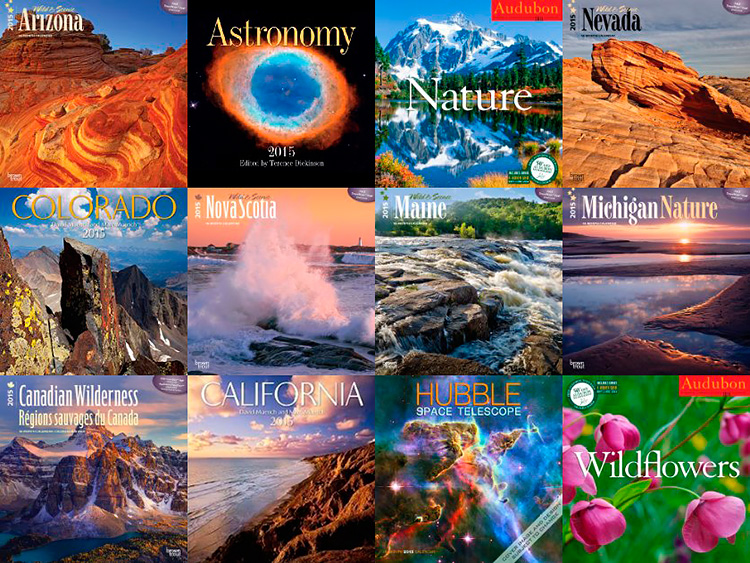
Just a few of the many beautiful calendars in my Amazon.com photography store.
Each year I choose an extensive selection of beautiful landscape, nature, and astronomy calendars from the finest sources for my photography store (which is powered by Amazon.com). Most of them are in the $10-$15 range. I pick several to hang on my own office walls as a great source of inspiration for the whole year.
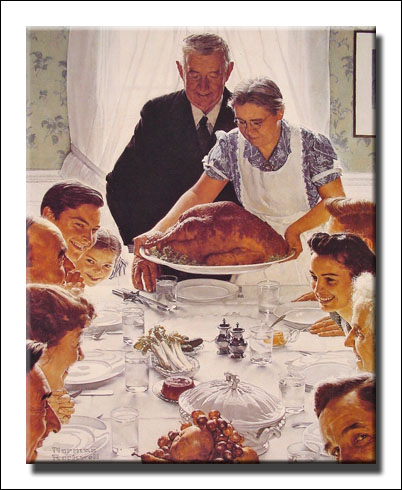
“Freedom from Want” by Norman Rockwell
When I was growing up, we spent many a Thanksgiving and Christmas at grandpa’s house. Thanksgiving was a much anticipated and happy time. We would often leave home on Wednesday afternoon after dad got home from work. It was a long 7 hour drive to Grandpa’s house in those pre-interstate highway days, so it would be really late by the time we arrived.
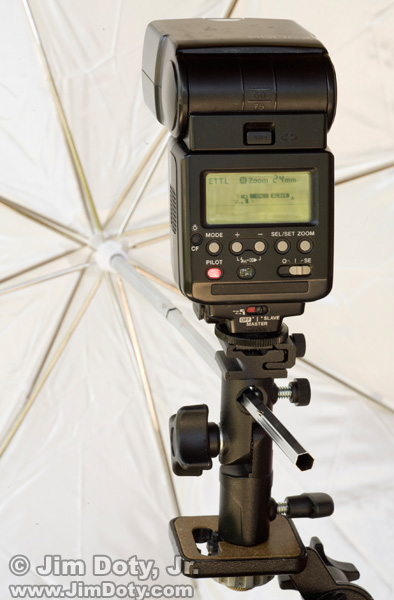
Flash adapter and umbrella for a shoe-mount electronic flash.
There are a lot of practical and inexpensive gifts for photographers. Here is a nice list of items from $7 to $130. To make them easy to track them down, most of these items can be found at my photography store (which is powered by Amazon.com with Amazon’s terrific ordering, shipping, guarantee, and service). Most of the items below are in the Photo Goodies section. Prices are current as of this update (Nov. 24, 2015) but prices do fluctuate. Some items can be temporarily unavailable.
Originally posted Nov. 24, 2015. Updated Dec. 1, 2015.
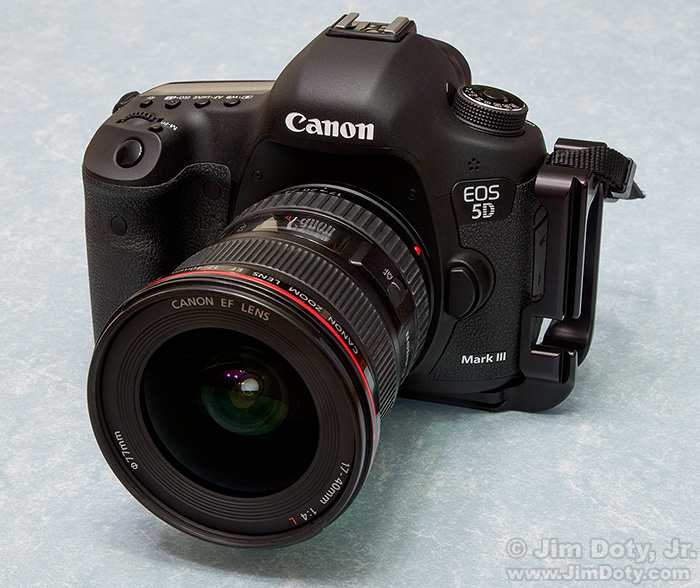
Canon 5DMark III camera. Canon EF 17-40 mm f/4 lens. Really Right Stuiff L-Bracket.
The holiday season is here and I am getting the usual questions about which digital cameras I recommend. The camera lists below will point you to the highest rated models. There is also some information and advice on choosing a camera. The lists will be updated throughout the holiday season as new, highly rated cameras become available.
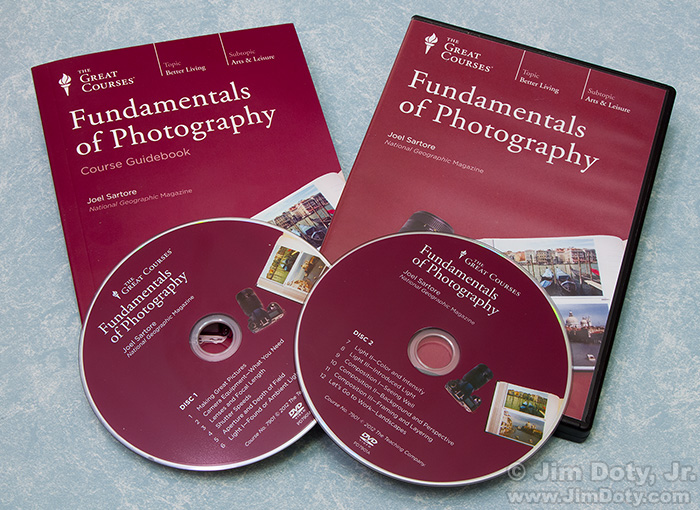
Joel Sartore, Fundamentals of Photography. 24 lessons on 4 DVDs.
I finally found an excellent series of photography lessons on video to complement my book, Digital Photography Exposure for Dummies, and it is by Joel Sartore, a first class photographer who does a lot of work for National Geographic. He does stunning photography in amazing situations all over the world. You can see some of his work in the galleries at his web site.
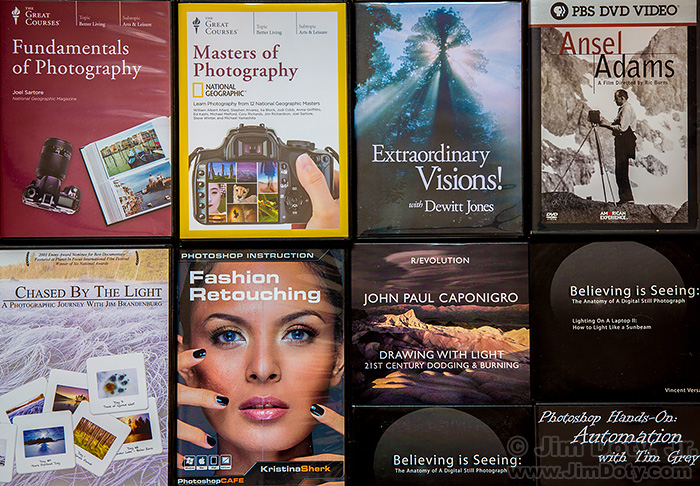
Photography DVDs
Photography DVDs can inspire your photography, give you new ideas, and teach you new skills and techniques. These are my favorites.

My Favorite Photography Magazines
There are a ton of photography magazines out there and it seems like there are new ones every time I go to my favorite newsstand. But some are clearly better, more accurate, more useful, and with better images. The magazines that follow are, from my point of view, the best of the best photo magazines.
Two essential and challenging Photoshop skills are Masking and Compositing. Fortunately for all of us out in Photoshop land, Katrin Eismann has written a masterful book on developing these skills, Photoshop Masking & Compositing.
Katrin Eismann is a world class expert on photo retouching. She is one of the best of the best. In 2005 she was inducted into the Photoshop Hall of Fame. Anything she writes should be high on your reading list if you are serious about making the most of your Photoshop skills.
Everything you need to know about Dan Margulis is in Mastering Photoshop: Advanced Color Correction, Part One. After you have devoured the book I recommend in that article, you will know why you need to get Photoshop LAB Color: The Canyon Conundrum and Other Adventures in the Most Powerful Colorspace.
If you want to master color in Photoshop, Dan Margulis is the best of the best. He is one of the first three persons to be named as a member of the Photoshop Hall of Fame. And the book to get is Professional Photoshop: The Classic Guide to Color Correction (5th Edition). It is well worth finding on the used market (which you can do via my photography store). What Margulis teaches you to do with color is amazing. The before and after images will make your jaw drop.
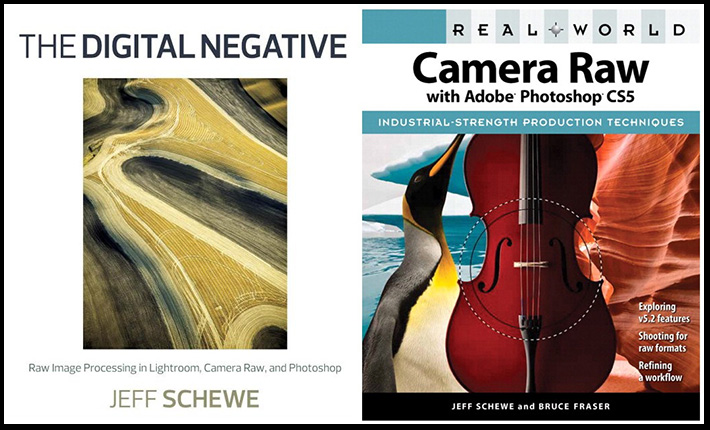
Jeff Schewe and Bruce Fraser on RAW Camera Files
A lot of the quality of your final image will be determined by what you do with your RAW files when you open them in Adobe Camera RAW (ACR) which comes with Adobe Photoshop, Adobe Photoshop Elements, and Adobe Lightroom.
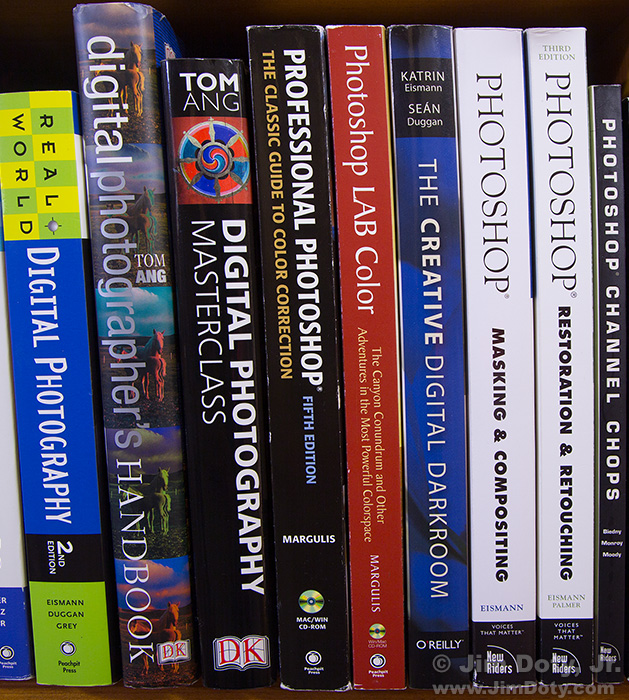
If you want to master Photoshop, a complete course can be found in the books recommended below. Think of this as a multi-book master class.
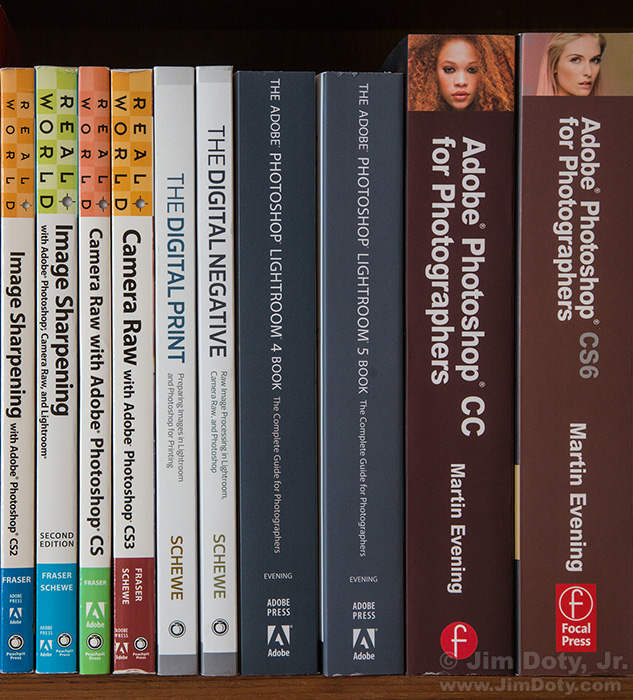
Lightroom & Photoshop: The Essentials
If you are serious about digital photography and you use Lightroom and/or Photoshop, these books are “The Essentials”.
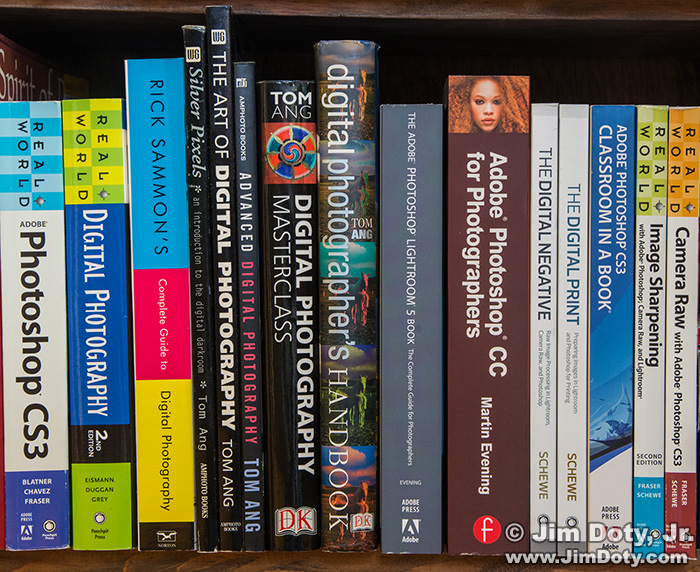
Some of the Best Digital Photography Books
Some well chosen books can make a world of difference in your digital photography. Some of the best books are about the camera side of digital photography, some are about the digital darkroom side, and some are about both. Out of hundreds of books in my photo library, I picked out the best.
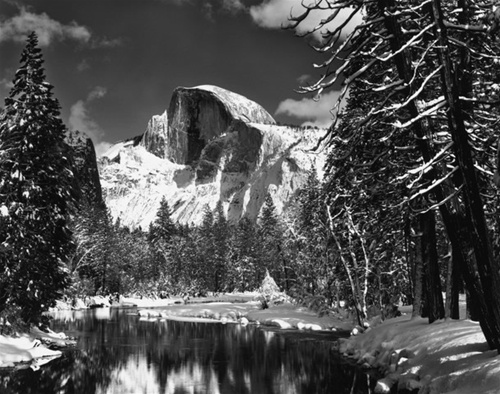
Ansel Adams: Half Dome, Merced River, Winter. © Ansel Adams Publishing rights Trust
I have no idea when I was first entranced by the photos of Ansel Adams. There is a wonderful, luminous quality to his work. Small wonder he is America’s best known landscape photographer. Collections of his work would make a worthy addition to any photographer’s library. This is also the time of year that Ansel Adams calendars pop up like snowstorms.
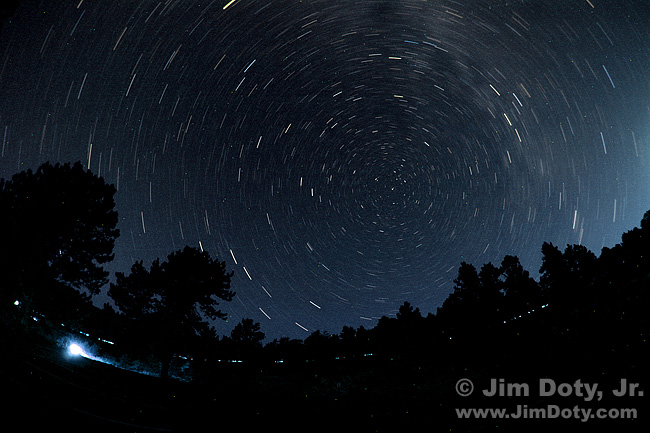
Star Trails, Rocky Mountain National Park
Interested in getting into astrophotography? The simple stuff is simple to do (like the photo above). The hard stuff is hard and complicated to do if you want eye popping photos like you see in Astronomy and Sky and Telescope magazines. Here’s my advice. And if you just like to look at the night sky, I recommend some books for that too.

Can a world class, National Geographic photographer lose his passion? Yes! How does he get it back?
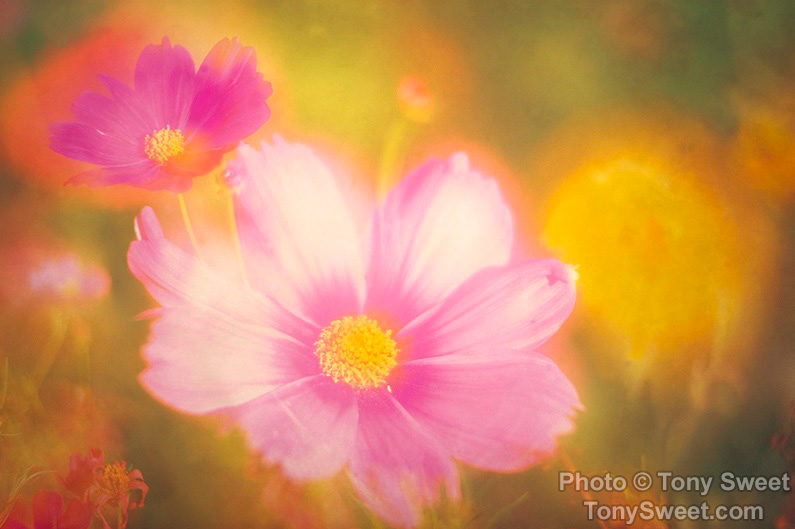
“Pink Cosmos Double” by Tony Sweet
If you want to turn your images of flowers into true artistic expressions, this is the book for you. Fine Art Flower Photography, Creative Techniques and the Art of Observation by Tony Sweet takes you well beyond the typical flower photography guide.
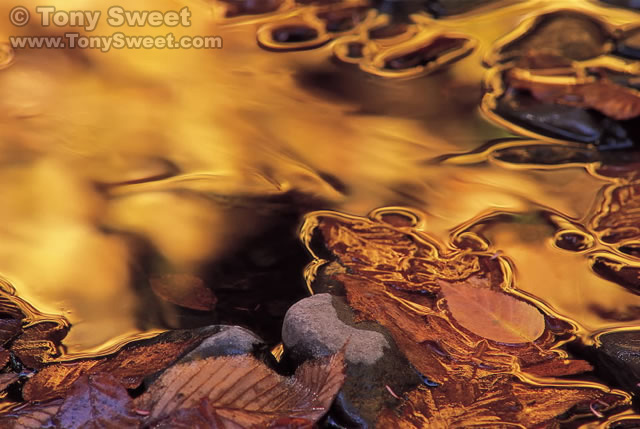
Golden Brook. Photo © Tony Sweet
I’ve been reading two excellent nature photography books by Tony Sweet. They are published by Stackpole Books. They choose first class photographers who have written an excellent and ongoing series of photography books. I’ve been giving high praise to Stackpole’s photography books for years and I now have two more to add to the list.
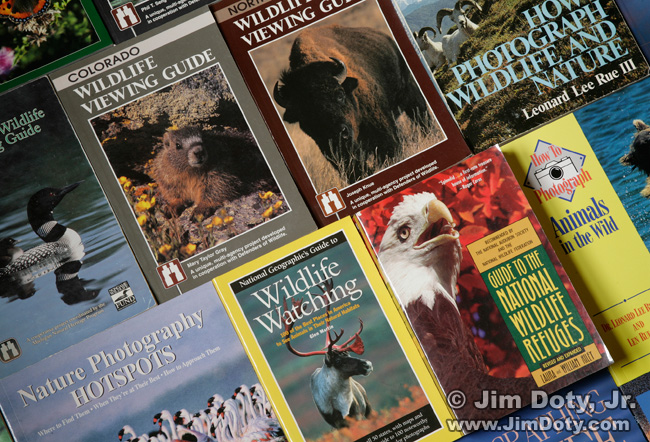
Wildlife Location Guides
The first step to photographing wildlife is finding wildlife. In the case of common wildlife, that’s easy. If you are looking for squirrels you may not need to look any farther than your own back yard. But if you want to photograph something a little more exotic, like Chachalacas or Green Jays, you need to know where to look for them (the southern tip of Texas).